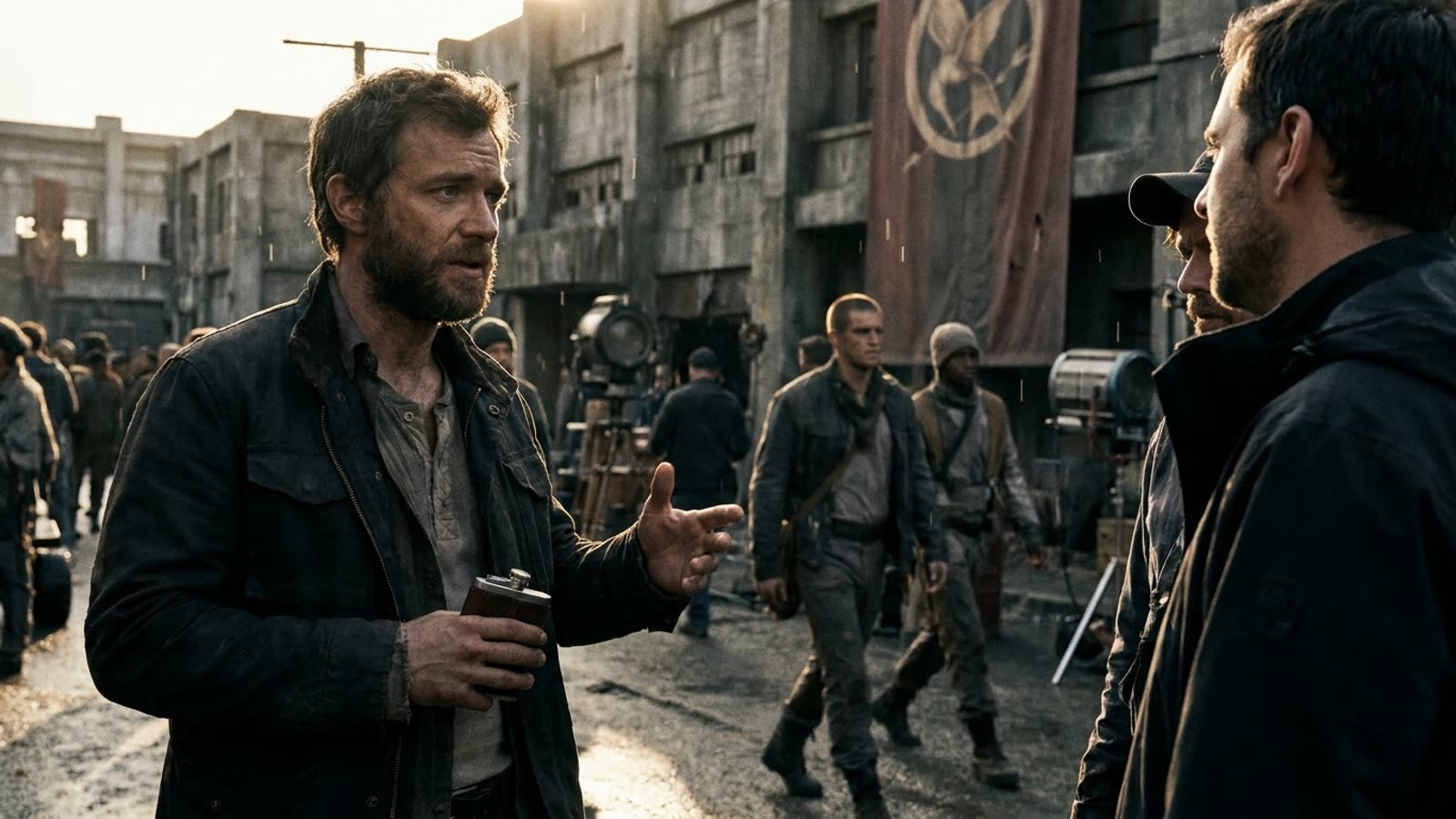
Lionsgate has spent three years trying to convince audiences that Panem has stories worth telling beyond Katniss Everdeen's arrow. With Sunrise on the Reaping, the studio may have finally proved its case. The sixth Hunger Games film premiered this week to the kind of breathless industry praise that studios pay publicists to manufacture but rarely receive organically—critics are calling it the franchise's Rogue One, a prequel that justifies its own existence by refusing to coast on nostalgia.
The comparison is apt and deliberate. Like Gareth Edwards's 2016 Star Wars spinoff, Sunrise on the Reaping takes a throwaway detail from the original saga—Haymitch Abernathy's victory in the 50th Hunger Games—and builds an entire moral universe around it. The result, according to early reactions, is a film that feels both essential and standalone, the rarest achievement in franchise filmmaking.
The Zada factor
Joseph Zada's casting as young Haymitch represented Lionsgate's biggest gamble since Jennifer Lawrence. The relatively unknown actor had to embody a character audiences already know as a bloated, alcoholic mentor—and make them care about the journey that broke him. Early reviews suggest he has done precisely that. Critics are praising Zada's performance as revelatory, capturing Haymitch's sardonic intelligence while revealing the idealism it was built to protect. The role demands an actor who can carry both action sequences and quiet devastation; Zada apparently delivers both.
This matters beyond the film itself. Lionsgate needs Zada to anchor potential sequels and spinoffs the way Lawrence once did. If Sunrise performs, expect the studio to lock him into a multi-picture deal before the weekend ends.
Learning from Songbirds
The 2023 prequel Ballad of Songbirds and Snakes earned respectable numbers but left audiences cold. Its fatal flaw was obvious: asking viewers to sympathize with young Coriolanus Snow, a character whose villainy was the original trilogy's moral anchor. Sunrise on the Reaping corrects course by centering a figure audiences already root for. Haymitch's cynicism in the original films was always coded as damage, not evil—we wanted to know what happened to him.
The adaptation also benefits from Suzanne Collins's tightest source material since the original novel. Her 2025 book was leaner than Songbirds, more focused on arena brutality than Capitol politics. Director Francis Lawrence, returning for his fifth Hunger Games film, apparently recognized that the story's power lies in its simplicity: a smart kid from a poor district surviving a rigged game.
Our take
Hollywood's prequel addiction usually produces diminishing returns—origin stories that explain mysteries better left mysterious. Sunrise on the Reaping seems to have avoided that trap by understanding what made Haymitch compelling in the first place: not his victory, but his survival afterward. If the film delivers on these early reactions, Lionsgate will have accomplished something genuinely difficult—proving that Panem's past is as cinematically rich as its future. The Rogue One comparison may be hyperbolic, but it signals something important: audiences are ready to invest in this world again, provided someone gives them a reason.