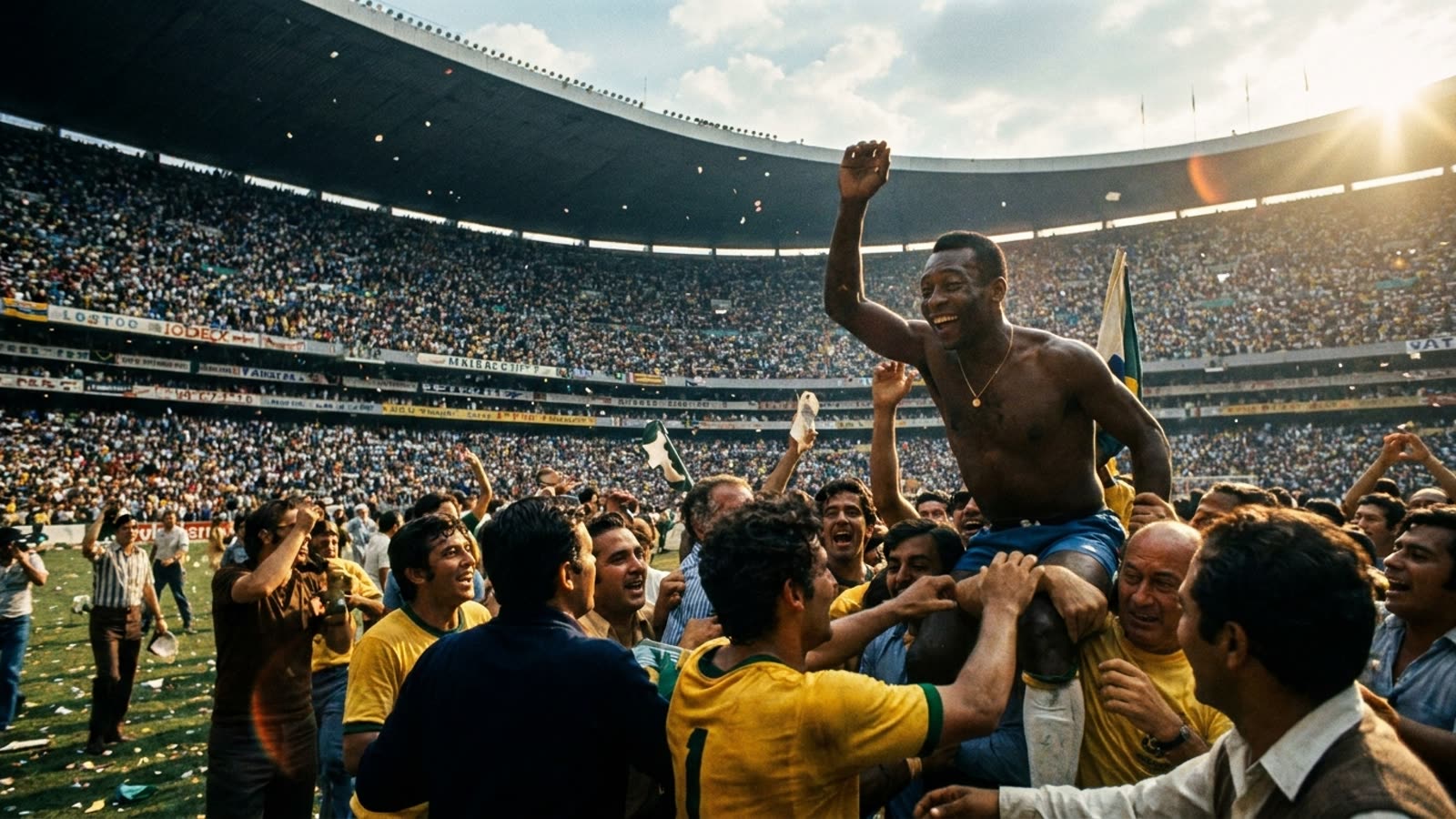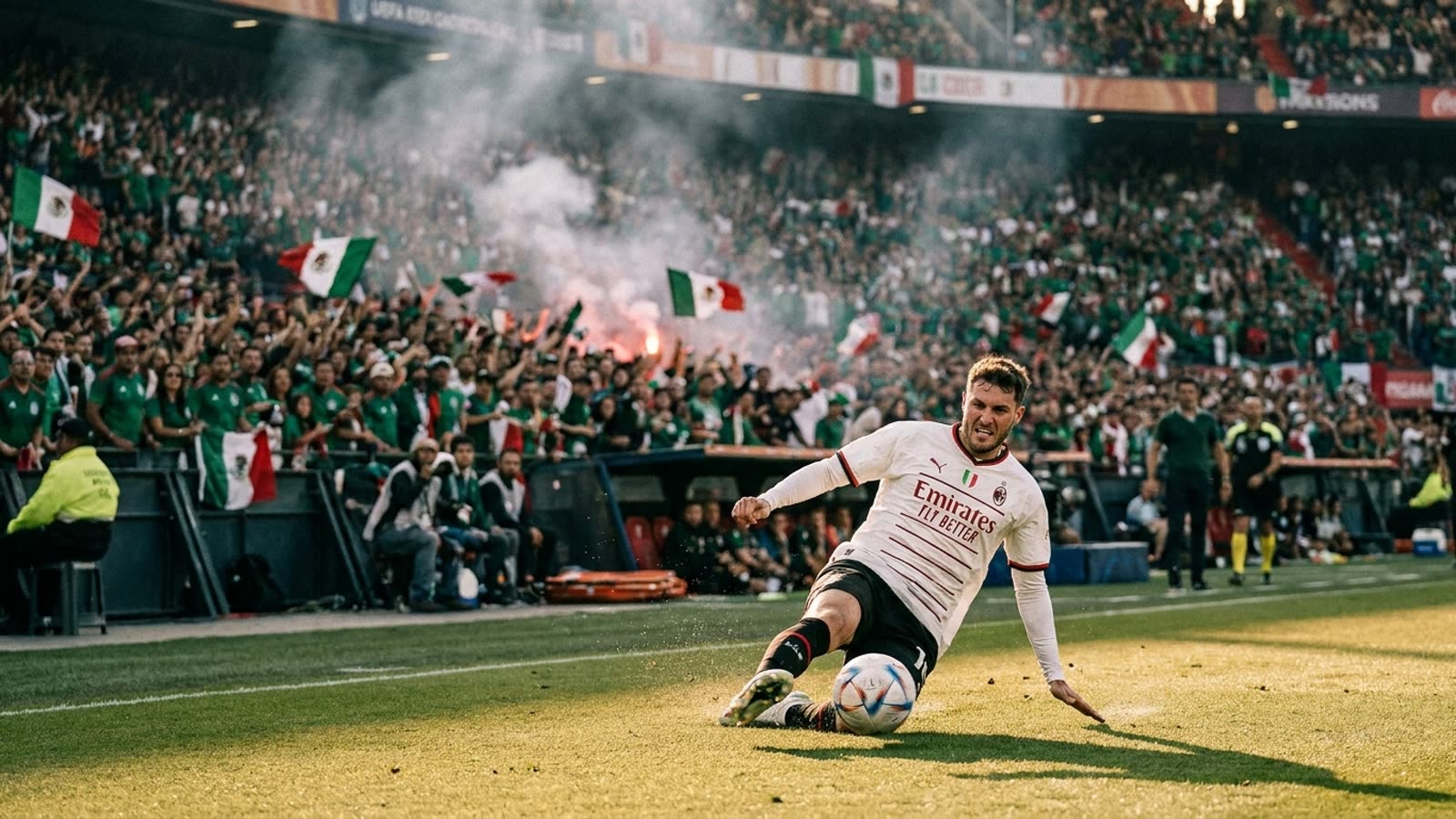
The scoreline said 3-0, but the real number was 2,240—the elevation in meters at which Ecuador's midfield surrendered to thin air, crowd noise, and the cumulative psychological weight of playing inside Estadio Azteca when Mexico actually needs a result.
Tuesday's Round of 16 demolition was not merely a victory; it was a thesis statement. El Tri have spent months managing expectations, deflecting the burden of hosting a World Cup for the third time, and insisting that co-hosting with the United States and Canada somehow diluted the pressure. That pretense is over. Mexico City's opener announced that this squad, in this stadium, intends to do what no Mexican team has done since 1986: reach a World Cup semifinal.
The altitude advantage, weaponized
Ecuador arrived with a game plan built around their own high-altitude experience in Quito. It lasted approximately twenty minutes. By the half-hour mark, La Tri's pressing had collapsed into a ragged shape, their central midfielders visibly laboring to close passing lanes. Mexico's coaching staff had clearly studied the tape: quick vertical switches, minimal dribbling into traffic, and a willingness to let Ecuador chase the ball into dead ends while the crowd did the rest.
The noise inside Azteca is not merely loud; it is directional, a wall of sound that crashes toward the pitch in waves timed to opposition touches. Visiting players have described the experience as disorienting, like trying to communicate underwater. Ecuador's goalkeeper, Hernán Galíndez, was beaten on the second goal partly because he never heard his defender's call.
Santiago Giménez announces himself
The Feyenoord striker has spent two years auditioning for this moment, and he delivered a performance that will be replayed for decades if Mexico advances further. Two goals, both clinical, both showcasing the cold finishing that has made him one of Europe's most coveted young forwards. His movement off the ball was immaculate—drifting into channels, timing runs to exploit Ecuador's high line, and refusing to be drawn into physical battles he didn't need to win.
Giménez is 25 now, entering his prime, and the European clubs circling him will have to recalibrate their bids after this tournament. More importantly for Mexico, he has answered the question that has haunted El Tri since Javier Hernández's decline: who scores when it matters?
Our take
Mexico have been breaking their own hearts at World Cups for so long that cynicism is the default setting. The "quinto partido" curse—elimination in the Round of 16, five consecutive times—has become national psychodrama. But this team feels different, not because they are necessarily more talented than their predecessors, but because they have something those teams lacked: a genuine home advantage being deployed with ruthless intentionality. If they draw a European side in the quarterfinals, that opponent will spend the next week dreading the trip to Mexico City. Fortress Azteca is not a cliché. It is a strategy.