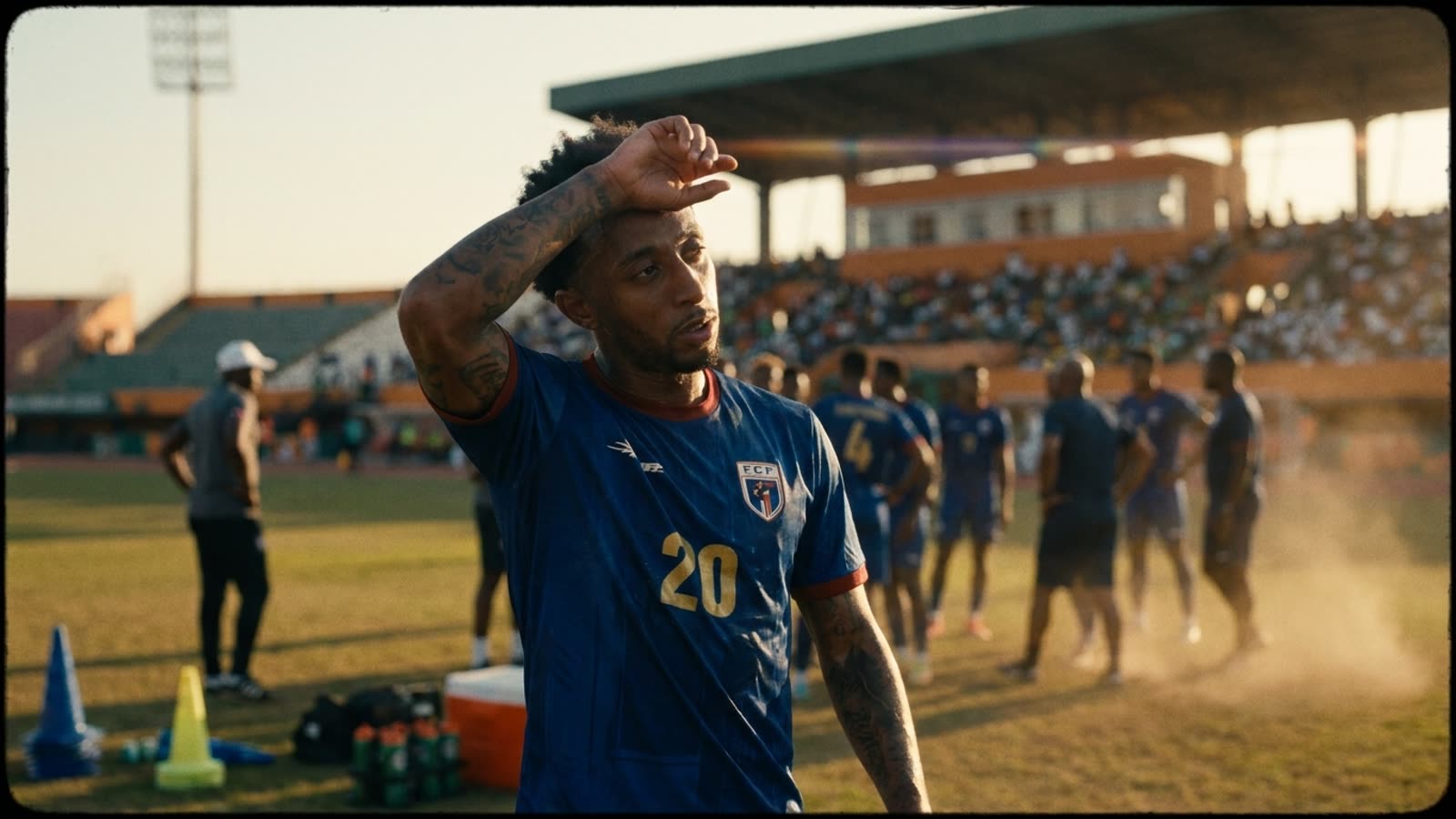
The 2026 World Cup was supposed to confirm what we already knew: Europe and South America play football, everyone else participates. Instead, the group stage has delivered a quiet earthquake. Japan, South Korea, Saudi Arabia, and Iran have combined for six matches without a single loss. This is not a statistical quirk or favorable draws. This is a generation of Asian football coming of age on the world's biggest stage.
The numbers alone are striking. Asian nations have historically been cannon fodder in World Cup group stages, occasionally producing a shock result before the inevitable knockout-round exit. But this tournament has inverted the script. Japan dismantled their European opponents with the kind of pressing intensity that would make any Bundesliga manager nod approvingly. South Korea has looked composed and dangerous in equal measure. Saudi Arabia, two years removed from their famous victory over Argentina, have proven that result was no fluke.
The infrastructure revolution
What we're witnessing is the payoff from two decades of deliberate investment. The Asian Football Confederation's member nations have poured resources into youth academies, coaching certifications, and domestic league development. Japan's J.League and South Korea's K League have become genuine talent incubators rather than retirement homes for aging European stars. The pipeline now flows both directions—young Asian players move to Europe earlier, gain experience, and return to their national teams sharper.
The coaching evolution matters too. Gone are the days when Asian federations hired whoever was available. Japan's tactical sophistication reflects years of studying and adapting European pressing systems. South Korea has developed a hybrid style that blends physical directness with technical precision. These are not teams hoping to survive; they're teams expecting to compete.
What it means for the knockouts
The real test comes now. Unbeaten group stages are impressive, but World Cup legacies are built in elimination rounds. Japan reached the round of sixteen in Qatar 2022 before falling to Croatia on penalties. South Korea made the semifinals on home soil in 2002 under controversial circumstances. Neither nation has ever reached a World Cup final.
But this generation feels different. The depth is there—substitutes who play regularly at top European clubs rather than domestic league reserves. The mentality has shifted from honorable participation to genuine ambition. When Japan's players speak about their goals, they don't hedge with qualifiers about respecting opponents. They talk about winning.
Our take
Football's geography has always been more malleable than its gatekeepers admit. Brazil and Argentina weren't born dominant; they became dominant through culture, investment, and time. Asia is following the same path, just a century later. The 2026 World Cup may not produce an Asian champion—the margins at the top remain razor-thin—but it has already produced something more important: proof that the old hierarchies are negotiable. Europe and South America built football's house. Asia has finally decided to move in.