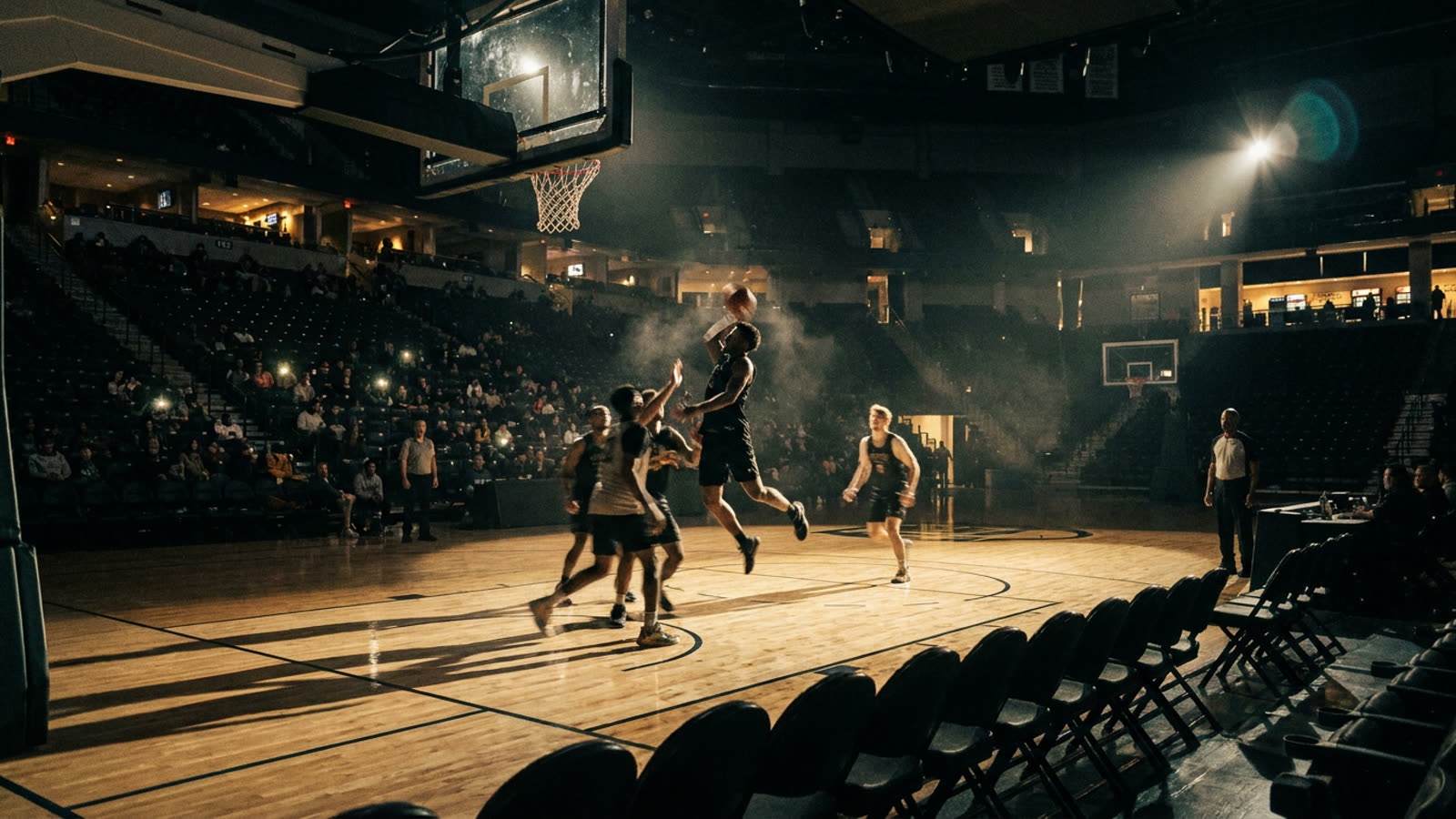
The 2026 NBA Draft arrives next week with the usual pageantry—the green room handshakes, the commissioner's measured cadence, the ill-fitting suits. But the substantive work of reshaping the league is happening now, in encrypted group chats and hotel suite negotiations, where general managers are assembling the trades that will define the next half-decade of professional basketball.
ESPN's insider reporting reveals at least six serious trade frameworks circulating among front offices, each designed to exploit the peculiar leverage dynamics that emerge when teams hold draft capital they'd rather convert into proven talent. The draft, in this sense, is less an event than a deadline—a forcing function that compels executives to make decisions they've been deferring for months.
The economics of draft-night desperation
What makes draft night uniquely volatile is the collision of asymmetric information and time pressure. Teams picking in the lottery have spent months evaluating prospects, developing conviction about specific players. Teams lower in the order, or those holding multiple picks, often prefer the certainty of established NBA talent to the variance of collegiate projection.
This creates a market inefficiency that sophisticated front offices exploit. A team confident in their scouting can effectively "buy" draft position from a team that values certainty, using future picks or young rotation players as currency. The reported frameworks suggest several contending teams are prepared to move significant assets to leapfrog into the top ten.
The contender calculus
For teams like Boston and Oklahoma City—organizations that have accumulated draft capital through years of shrewd asset management—the question is whether this year's class justifies spending that capital or whether patience remains the optimal strategy. The reported trade discussions suggest at least some front offices believe the 2026 class contains franchise-altering talent worth aggressive pursuit.
The Thunder, in particular, face an interesting strategic choice. Their asset stockpile is legendary, but assets depreciate if never deployed. At some point, Sam Presti's war chest must fund an actual campaign. Whether that moment has arrived depends entirely on internal evaluations that remain closely guarded.
Our take
Draft-night trades have become the NBA's most compelling theater precisely because they reveal what teams actually believe, as opposed to what they say publicly. The willingness to surrender future flexibility for present certainty is the clearest signal a front office can send about its competitive timeline. Next week, we'll learn which organizations believe their championship window is open—and which are still installing the frame.