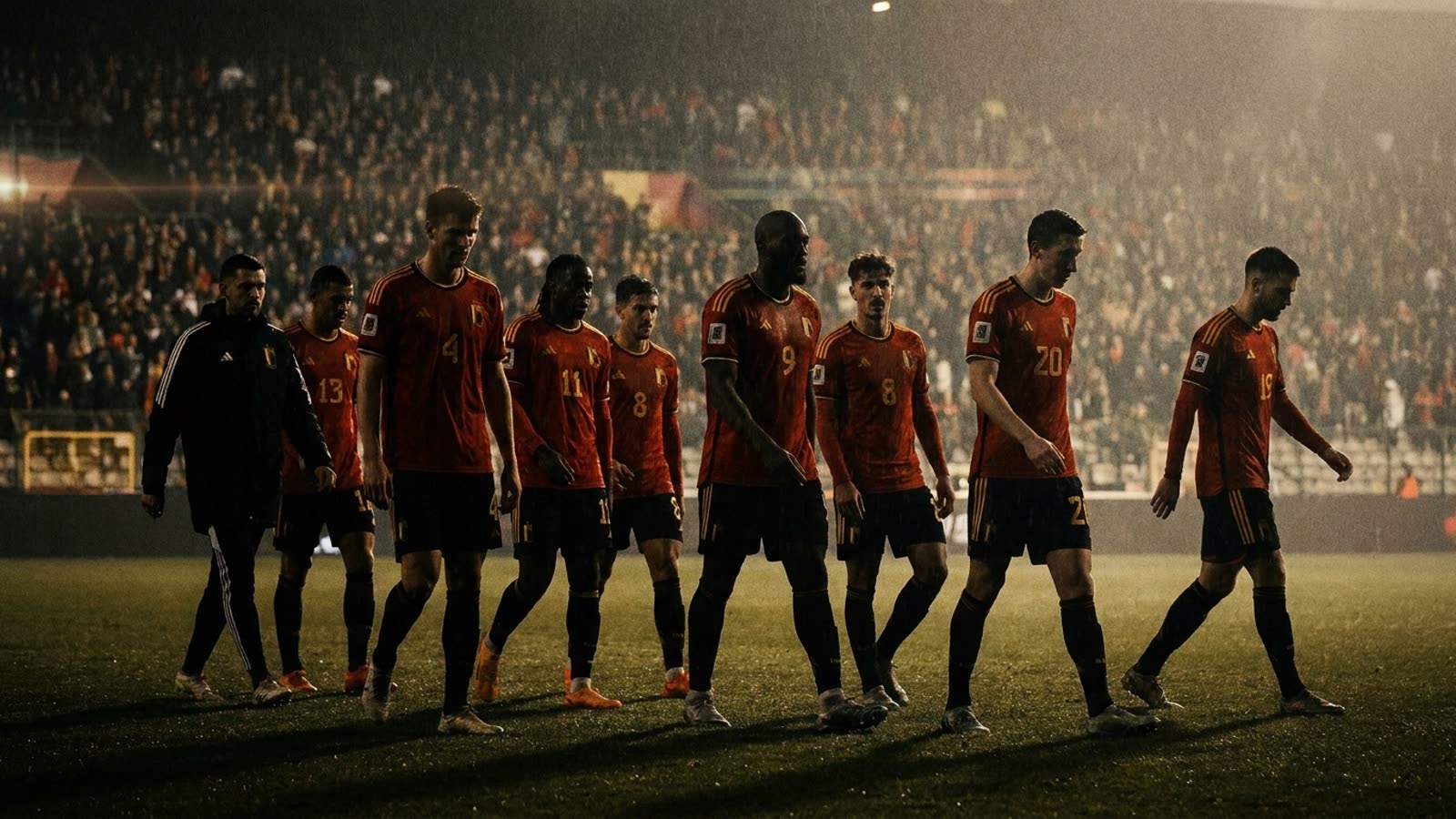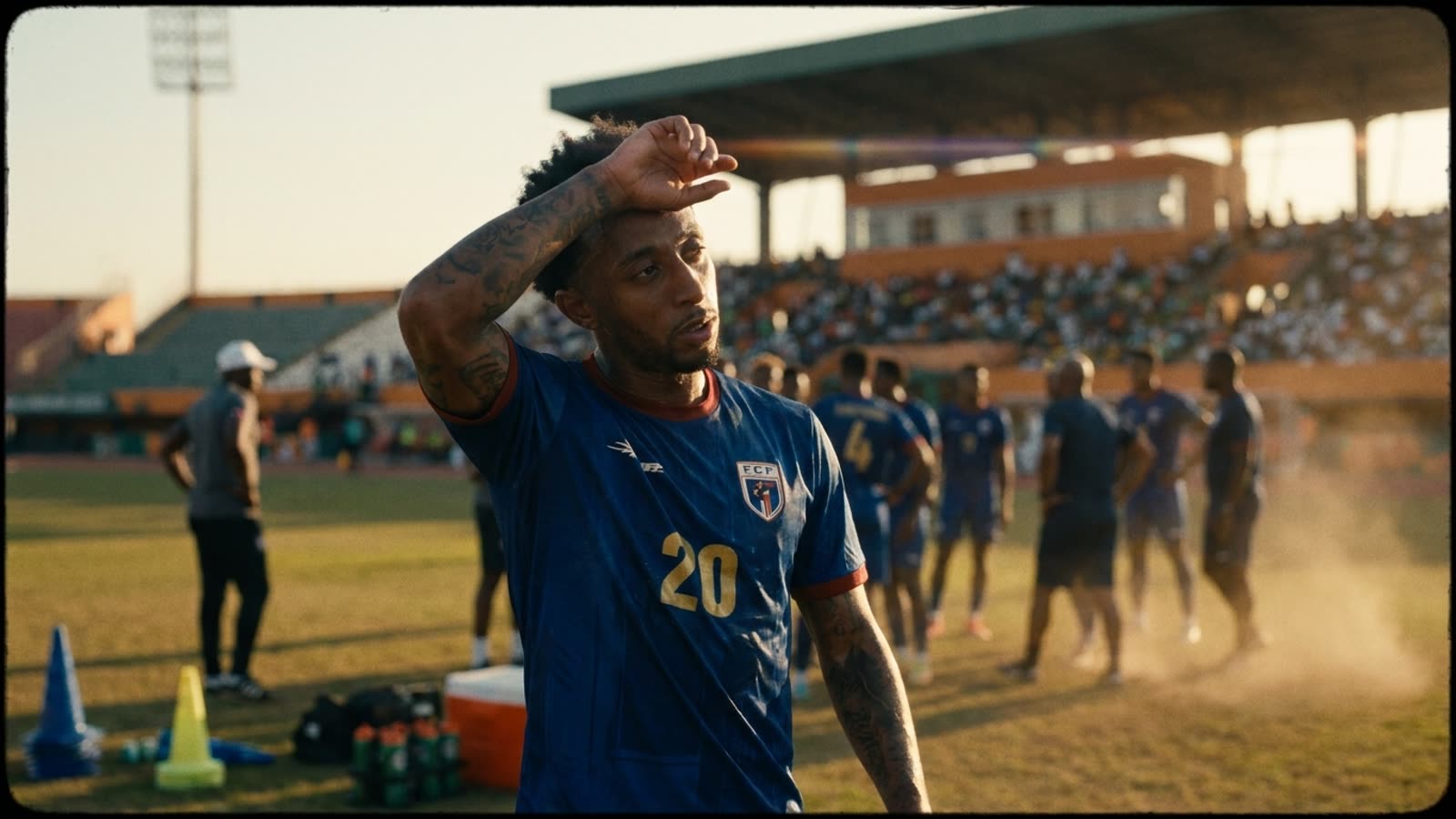
The 2026 World Cup has produced its first genuine folk hero, and he is a 40-year-old winger from a volcanic archipelago nation of 600,000 people who was seriously contemplating retirement over Christmas dinner.
Ryan Mendes's journey to becoming the most talked-about player in the tournament's opening week defies every modern football narrative. He has never played for a club in Europe's top five leagues. He spent last season in the Portuguese second division, earning a fraction of what Premier League substitutes make in a week. Six months ago, his body aching and his motivation flagging, he told his family he was done.
The improbable path
Cape Verde's qualification for their first World Cup was itself a minor miracle, achieved through a combination of favorable draws, defensive discipline, and the kind of collective spirit that money cannot buy. Mendes, who earned his first cap in 2010 and has been the national team's talisman through years of near-misses, initially declined the call-up. His club coach convinced him to reconsider. His mother, reportedly, threatened to disown him if he didn't go.
What followed has been the tournament's most heartwarming subplot. Against Spain—a side featuring players whose combined transfer value exceeds Cape Verde's GDP—Mendes delivered a performance of such cunning and composure that it forced a 1-1 draw that sent shockwaves through Group C. His goal, a curling effort from the edge of the box that left Spain's goalkeeper rooted, has been viewed hundreds of millions of times across social media platforms.
Why it matters beyond sentiment
The temptation is to treat Mendes as a charming sidebar, a feel-good story to contrast with the tournament's geopolitical tensions and commercial excess. That would be a mistake. His emergence speaks to something fundamental about what makes international football different from the club game: the compression of talent hierarchies, the way a single afternoon can rewrite a career's entire meaning.
Cape Verde still face daunting odds to advance from a group containing Spain and Belgium. But Mendes has already achieved something more durable than a knockout-round appearance. He has reminded a global audience that football's magic lies precisely in its resistance to predictability, its stubborn refusal to follow the script that money and analytics write.
Our take
Professional sports increasingly resemble algorithmic optimization exercises, where youth development pipelines and data-driven recruitment squeeze the romance out of competition. Ryan Mendes, with his creaking joints and second-division wages and mother's ultimatum, is a rebuke to all of that. The World Cup needed him more than he needed the World Cup—and both are better for the encounter.