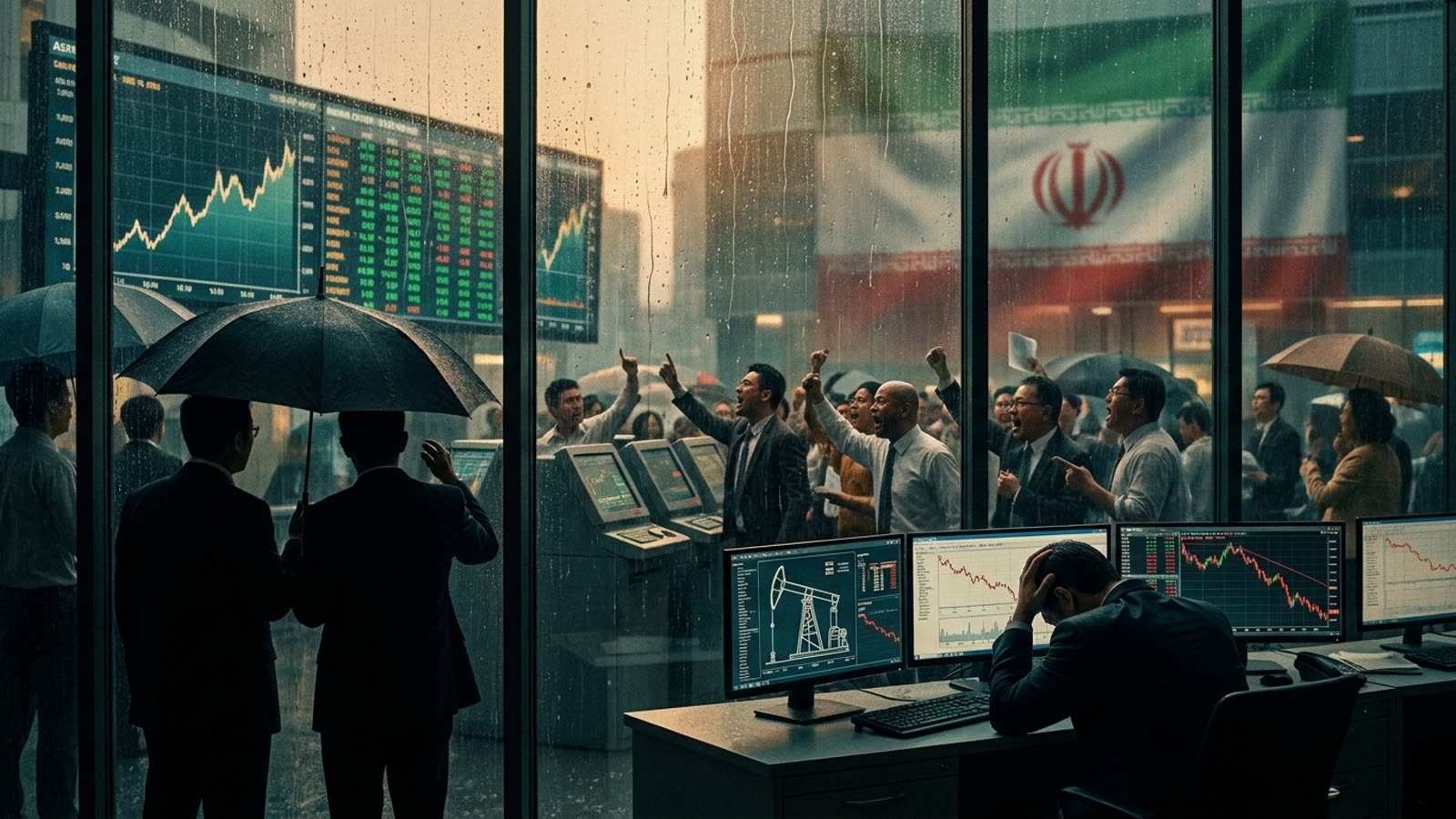
The overnight session across Asian bourses delivered the kind of synchronized rally that makes portfolio managers reach for champagne and energy traders reach for antacids. From Tokyo to Sydney, equity futures gapped higher the moment trading desks digested the implications of Washington's surprise détente with Tehran, while Brent crude cratered through support levels that had held for months.
The mechanics are straightforward: remove the threat of Middle Eastern supply disruption, and the risk premium that has propped up oil prices evaporates. Add the prospect of Iranian barrels returning to global markets—even gradually—and you get the sharpest single-session drop in crude since the pandemic demand collapse of 2020. Asian refiners, who import the vast majority of their feedstock, suddenly face a friendlier cost structure. Manufacturers from Osaka to Shenzhen can pencil in lower input prices. The arithmetic ripples outward.
The equity calculus
Japan's Nikkei 225 futures jumped more than 2% in early trading, with export-heavy industrials leading the charge. South Korea's Kospi followed suit, buoyed by the same logic: cheaper energy means fatter margins for the conglomerates that dominate the index. Even Australia's ASX, home to significant energy producers, posted gains as investors bet that broader economic tailwinds would outweigh the pain in the resources sector.
The rally is not merely mechanical. It reflects a sudden repricing of tail risk. For months, traders have assigned non-trivial probability to a scenario in which U.S.-Iran tensions escalate into outright conflict, potentially closing the Strait of Hormuz and triggering an oil shock. That scenario now looks considerably less likely, and the markets are adjusting accordingly.
Oil's new floor
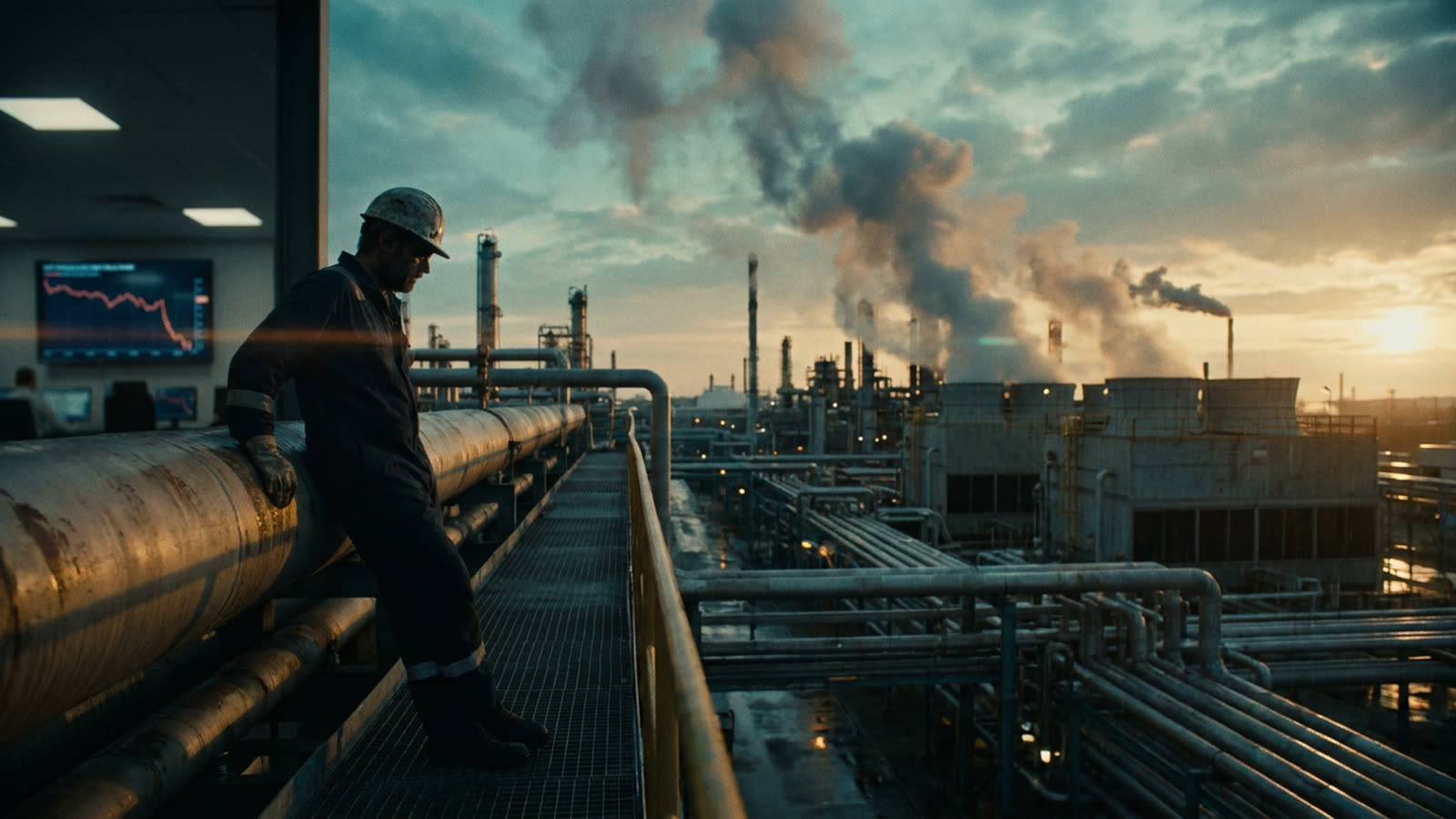
Brent crude fell below $68 per barrel in Asian trading, a level last seen in early 2024. West Texas Intermediate followed, dipping under $64. Energy analysts are scrambling to recalibrate their models, with some suggesting that a sustained return of Iranian supply could push prices into the low $60s by year-end—a prospect that would have seemed fanciful a week ago.
The losers are obvious: U.S. shale producers operating at the margin, Gulf state budgets that assume $80-plus oil, and the renewable energy sector, which suddenly faces a less compelling cost-competitiveness argument. The winners are equally clear: airlines, shipping companies, petrochemical firms, and any economy that runs a structural energy deficit.
Our take
One deal does not remake the global order, and Tehran's track record on compliance inspires limited confidence. But markets trade on the marginal change in probability, not on certainty. Today, the probability of a Middle Eastern conflagration is lower than it was yesterday, and that shift alone is worth trillions of dollars in repriced assets. Whether the rally holds depends on implementation details yet to emerge. For now, the world's investors have decided to enjoy the moment.