The quiet luxury era, it seems, has been quietly shown the door.
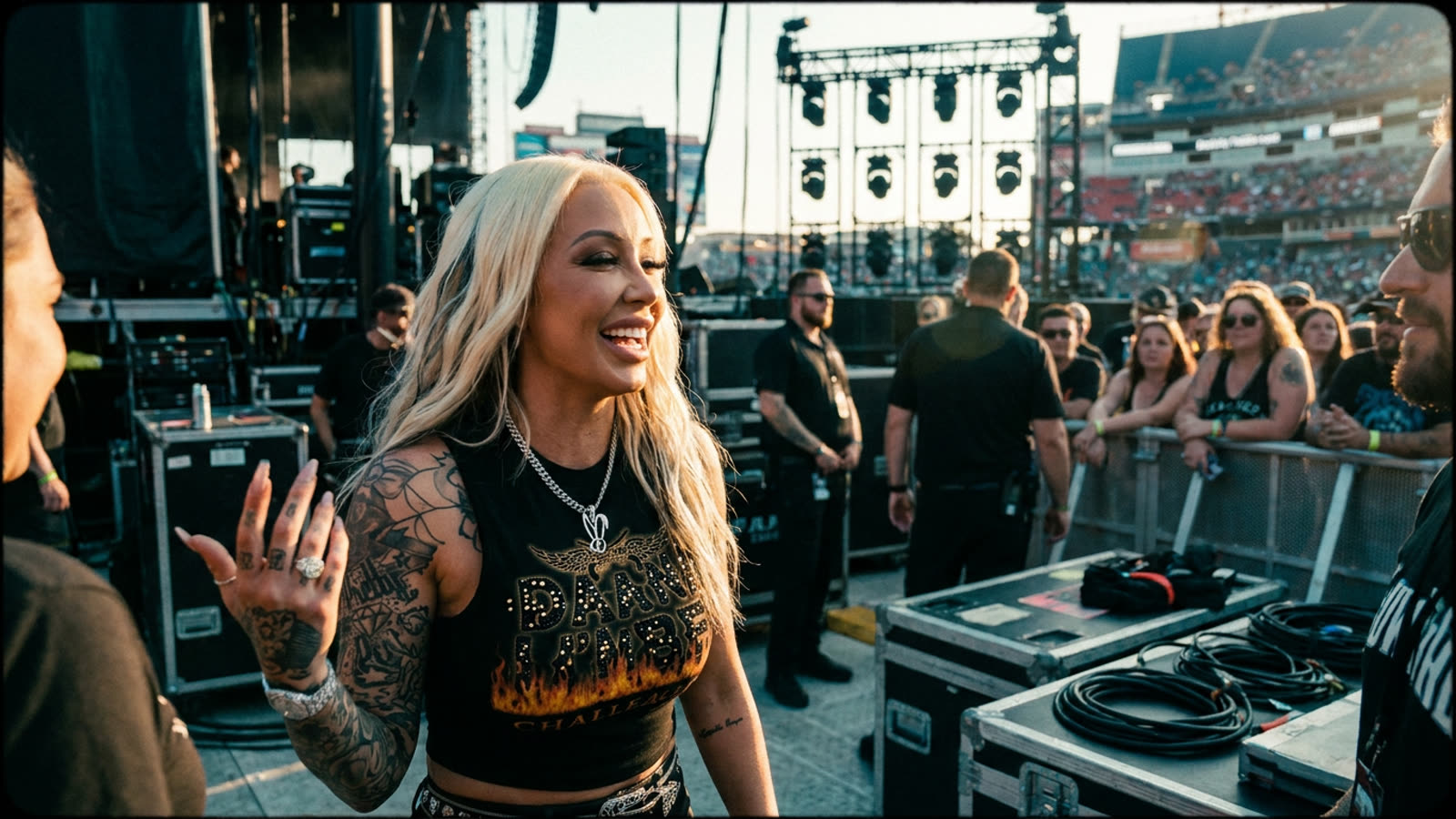
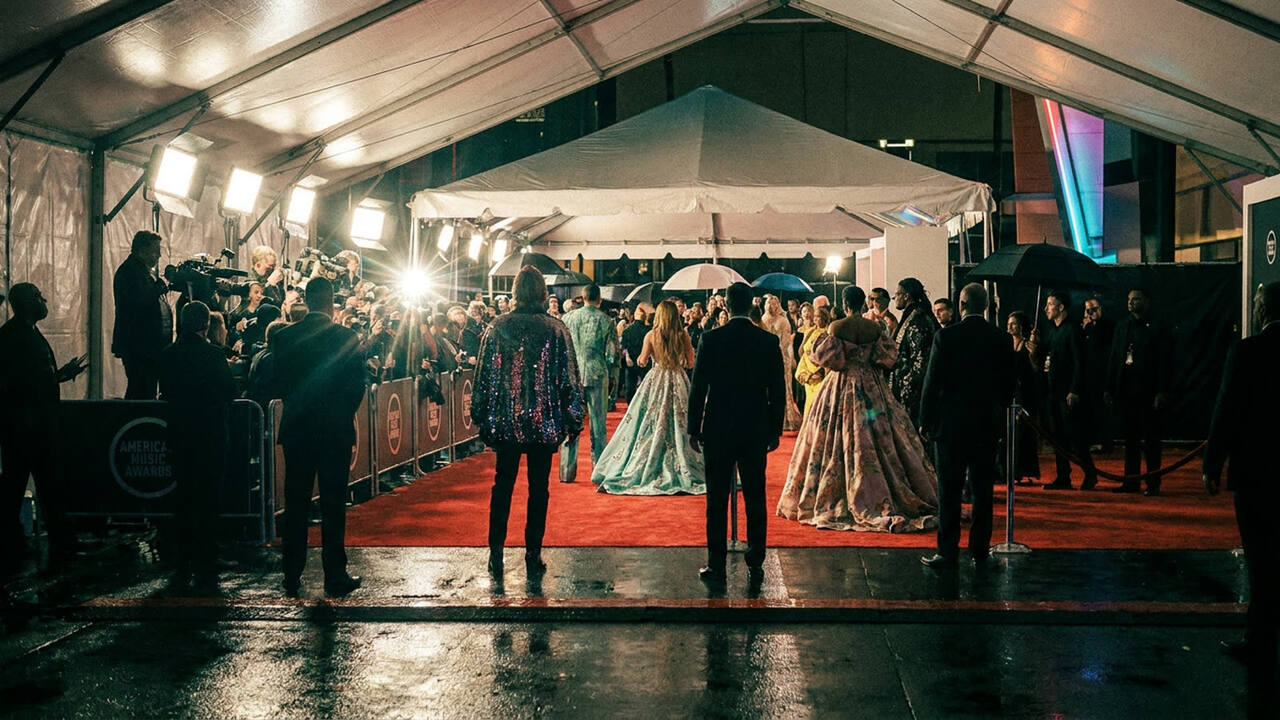
Thursday night's American Music Awards red carpet at the Crypto.com Arena in Los Angeles delivered what felt like a collective exhale from an industry that had grown weary of whispering. Where recent award seasons favored the Loro Piana-coded restraint of old money cosplay, this year's arrivals embraced volume, color, and the kind of theatrical flourishes that remind us why celebrity fashion exists in the first place: to make the rest of us feel something.
The Maximalist Manifesto
The evening's standout looks shared a common thesis: more is more, and subtlety is for civilians. Several attendees arrived in architectural gowns that required dedicated handlers, trains that demanded their own security perimeters, and embellishments that caught every flashbulb within a quarter-mile radius. The effect was less fashion show, more coronation.
This wasn't mere overcorrection. The shift reflects a broader cultural mood swing away from the aspirational austerity that dominated during uncertain economic times. When inflation finally cooled and consumer confidence ticked upward, the permission structure for glamour returned with it. Why dress like you're hiding wealth when you can dress like you're celebrating it?
What the Stylists Are Signaling
The red carpet has always functioned as a leading indicator for where mainstream fashion will land six months hence. Thursday's parade of statement pieces suggests the high street will soon be awash in bold prints, dramatic silhouettes, and the kind of jewelry that makes a statement from across the room. The stealth wealth uniform—the Row blazers, the Khaite cashmere, the aggressively understated everything—hasn't disappeared, but it's been relegated to the supporting cast.
Notably, the maximalist turn wasn't confined to any single demographic or genre. Pop stars, country crossovers, and legacy artists all seemed to receive the same memo: the moment calls for presence, not restraint. Even artists known for pared-back aesthetics arrived in looks that suggested their stylists had staged an intervention.
The Business of Being Seen
There's a commercial logic undergirding the shift. In an attention economy increasingly dominated by short-form video, a quiet look is a forgettable look. The red carpet photograph that travels furthest is the one that stops the scroll—and nothing stops a scroll quite like a gown that appears to defy physics. Fashion houses, eager to maximize their investment in celebrity dressing, are pushing clients toward pieces that guarantee coverage.
The streaming platforms that now dominate music distribution have also changed the calculus. When album cycles are measured in weeks rather than years, every public appearance becomes a critical marketing moment. Dressing safely is a missed opportunity.
Our take
The quiet luxury moment was always more about signaling than style—a way for the wealthy to distinguish themselves from the merely aspirational. Its decline was inevitable once the aesthetic became codified enough for fast fashion to replicate it. Thursday's AMAs suggested that celebrity fashion has remembered its primary function: to be unapologetically, gloriously extra. The red carpet exists to give us permission to want things we cannot have and wear things we would never dare. For a few hours in Los Angeles, it did exactly that.