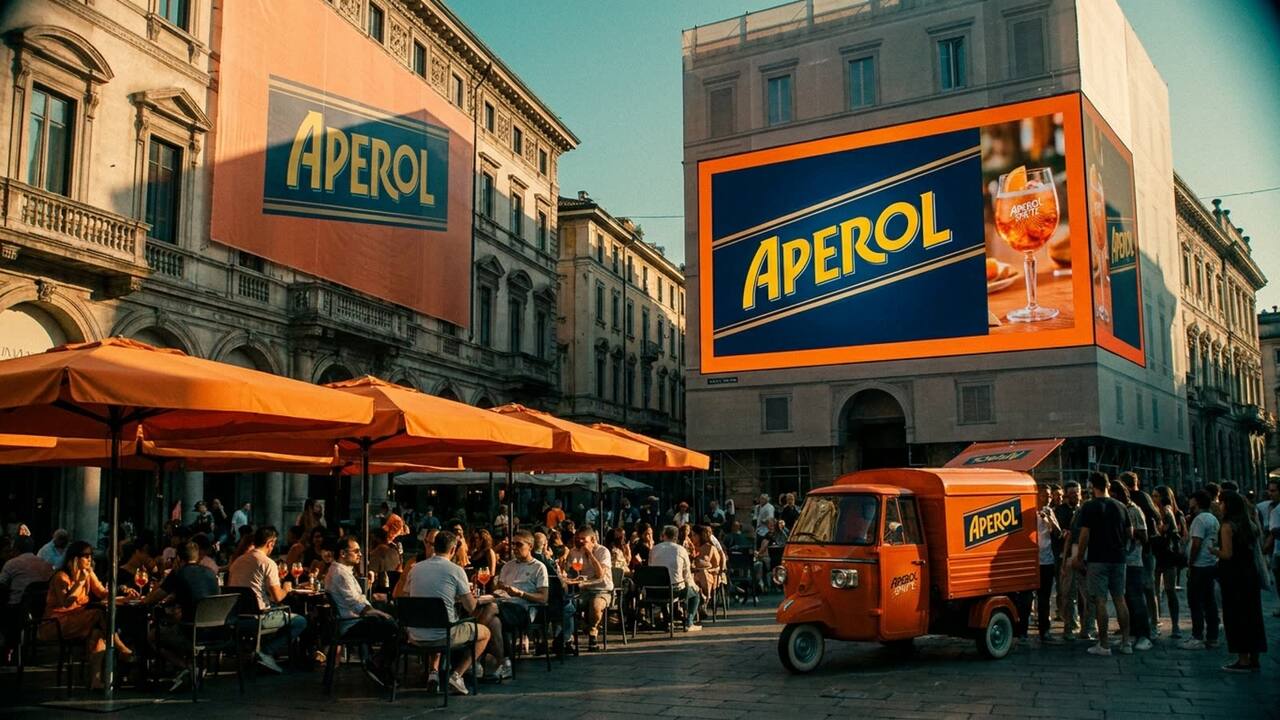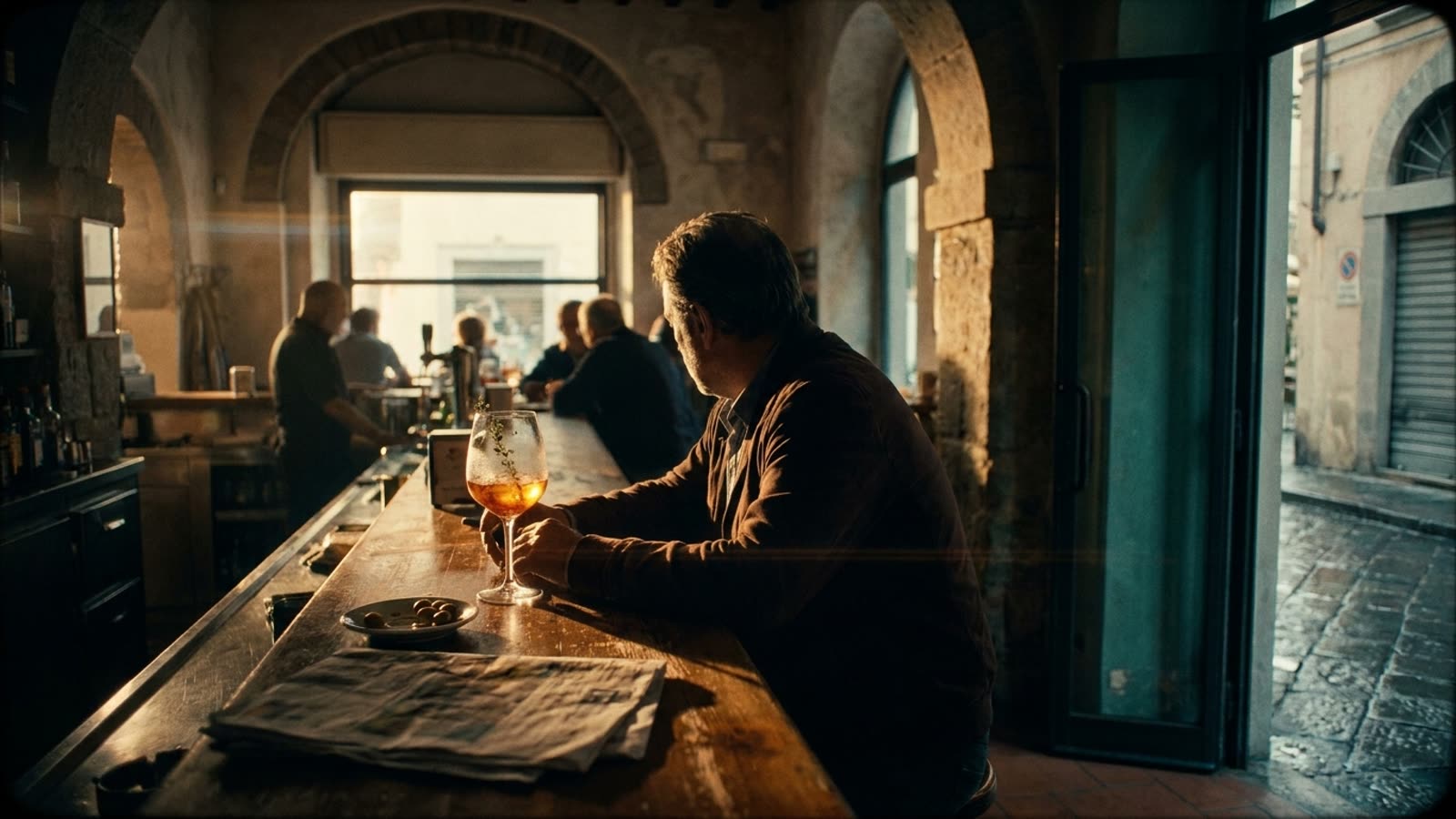
The aperitivo hour in Italy begins around six in the evening and ends whenever it ends, which is precisely the point. There is no reservation, no time limit, no expectation that you will order food or leave promptly. You sit, you sip something bitter, you watch the street theater of daily life unfold. In a global culture increasingly hostile to unmonetized time, this ritual represents something close to cultural resistance.
The practice dates to the late eighteenth century, when Antonio Benedetto Carpano introduced vermouth to Turin's café society. The word itself derives from the Latin aperire — to open — and the original purpose was physiological: bitter herbal spirits were thought to stimulate appetite before dinner. But what began as digestive preparation evolved into something far more significant. The aperitivo became a daily institution, a collective pause between the demands of work and the intimacy of the family table.
The geometry of slowness
Walk through any Italian city between six and eight in the evening and you will notice the same choreography repeated across thousands of piazzas. Small tables spill onto sidewalks. Glasses of amber and ruby liquid catch the fading light. Conversations happen at a pace that would drive a productivity consultant to despair. No one is checking their phone with urgency. No one is working through a networking agenda.
The drinks themselves matter less than the container they create. A Negroni, a spritz, a simple glass of prosecco — these are not cocktails designed to impress or intoxicate. They are bitter enough to demand slow consumption, light enough to permit conversation, affordable enough to remove economic anxiety from the equation. The typical aperitivo costs what you might spend on a mediocre coffee in London or New York, yet it purchases something money cannot usually buy: permission to sit and exist without justification.
What the rest of the world gets wrong
The global spread of aperitivo culture has been both flattering and deeply confused. Bars from Brooklyn to Bangkok now offer "aperitivo hour" with elaborate buffets and time-limited happy hour pricing. This fundamentally misunderstands the exercise. The Italian aperitivo is not a deal, not a pre-game, not a networking opportunity with complimentary olives. It is closer to a secular vespers — a daily acknowledgment that human beings require transition rituals between roles.
The buffet-style aperitivo that emerged in Milan during the economic boom years already represented a corruption of the form, transforming a moment of contemplation into a competitive eating opportunity. Export versions have only accelerated this drift. When the aperitivo becomes about maximizing value — free food, discounted drinks, Instagram documentation — it ceases to function as the thing it was designed to be.
The economics of presence
There is a reason the aperitivo survives in Italy while similar traditions have vanished elsewhere. Italian café culture operates on an implicit social contract: you may occupy space without continuous consumption. A single drink purchases an hour of belonging. This model is economically irrational by contemporary hospitality metrics, which measure success in covers turned and average spend per minute. Yet it persists because Italians understand something their efficiency-obsessed counterparts have forgotten — that a café is not merely a beverage distribution point but a piece of civic infrastructure.
The aperitivo hour functions as a decompression chamber between public and private life. It allows the day's frustrations to dissipate before they follow you home. It provides a venue for the kind of casual social maintenance that builds community resilience. These are not outputs that appear on any spreadsheet, which is perhaps why they are so rare in cultures that believe only measurable things matter.
Our take
The aperitivo is not exportable as a product because it was never a product to begin with. It is a set of social agreements about time, space, and the legitimate uses of both. You cannot franchise a cultural attitude. What you can do is recognize what the ritual represents — a daily insistence that efficiency is not the highest human value, that presence matters more than productivity, that the best things in life happen in the margins. The Italians did not invent leisure, but they may have perfected the art of defending it.