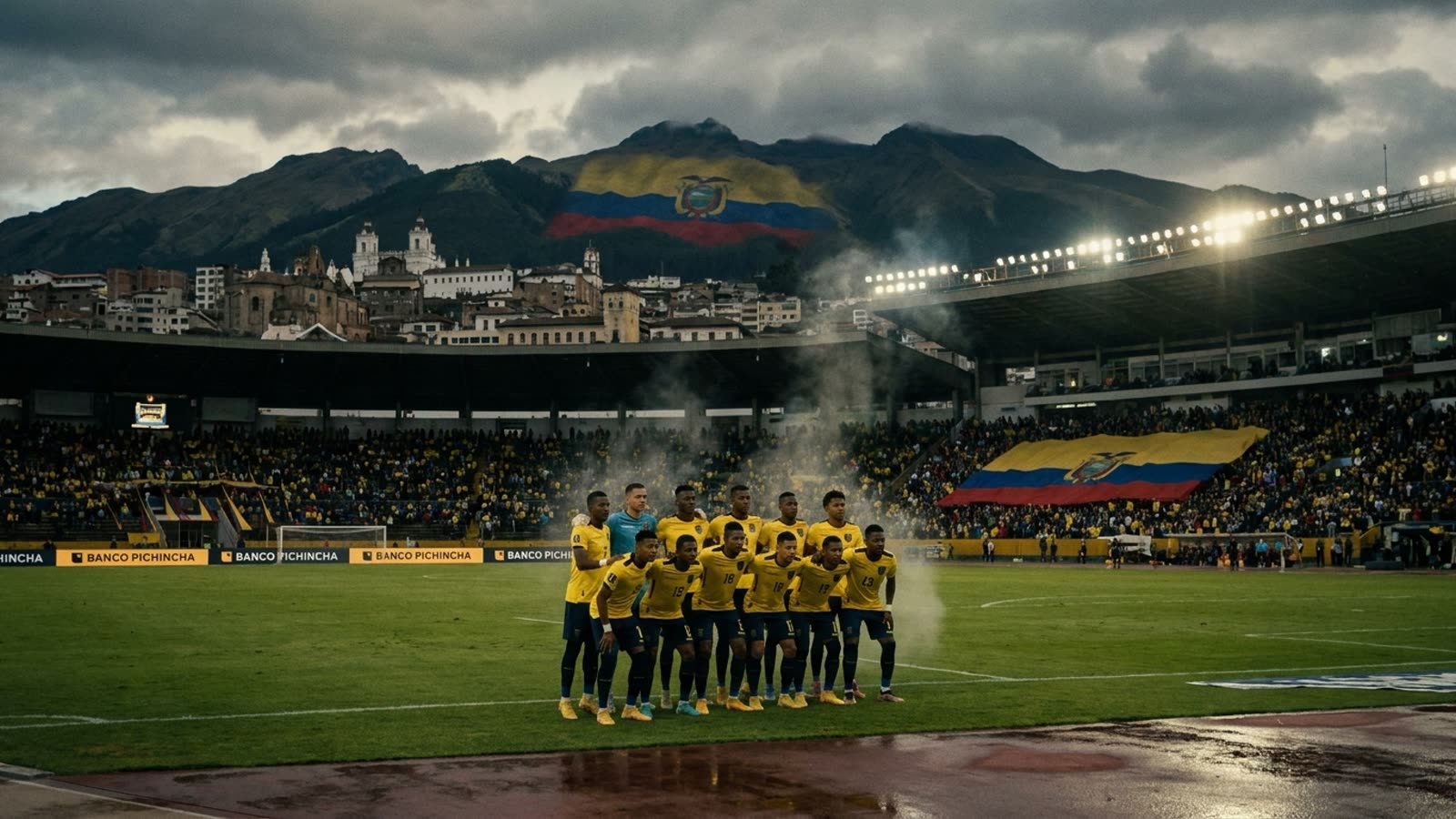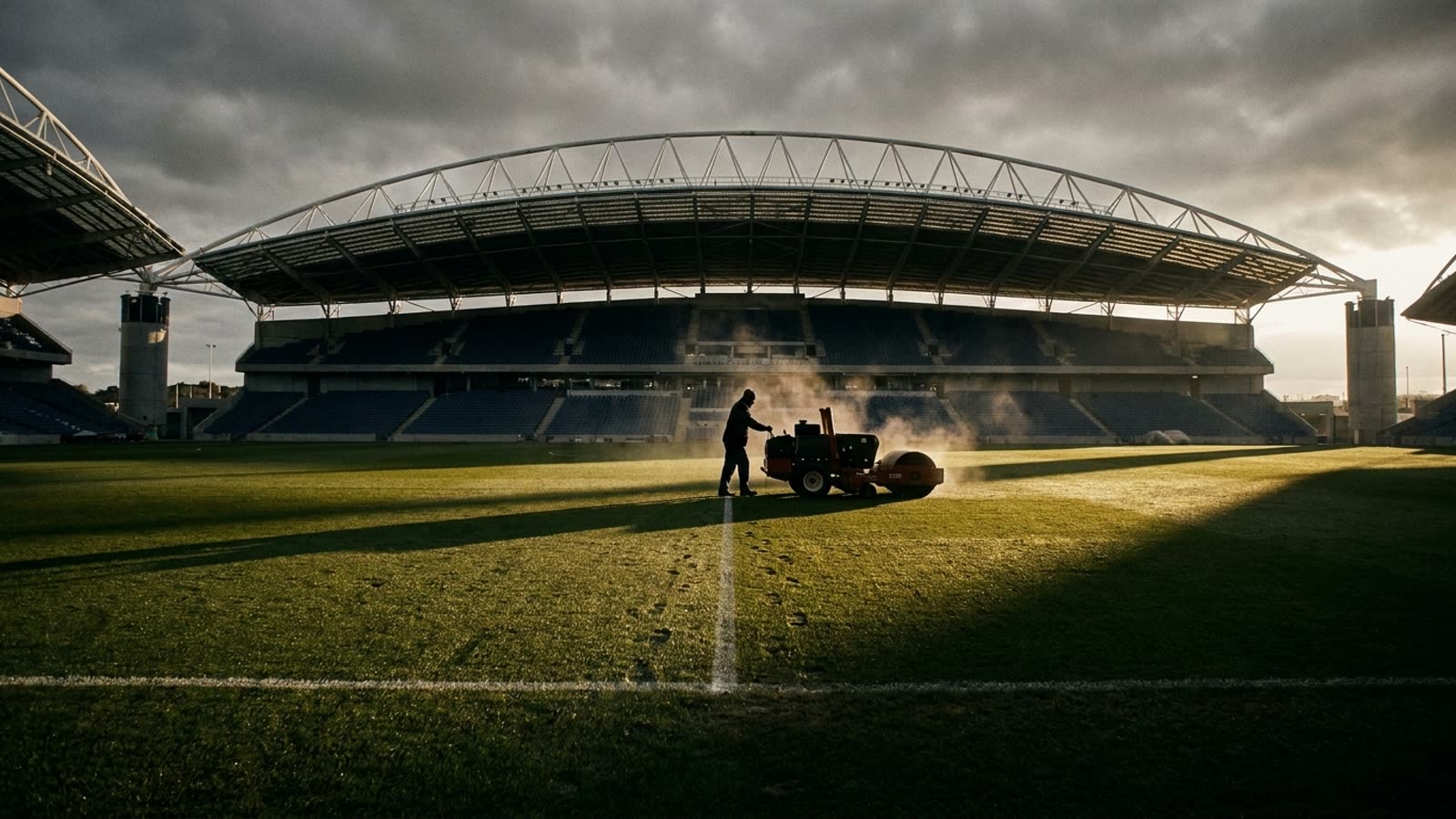
Somewhere beneath the spectacle of 48 nations chasing glory, a quieter drama unfolds at soil level. The 2026 World Cup, spread across 16 venues in three countries and multiple climate zones, has forced FIFA to confront an unglamorous truth: the beautiful game is only as good as the grass beneath it.
The tournament's expansion to North America has accelerated what turf scientists call the most ambitious pitch-management project in football history. At least eleven of the sixteen stadiums are primarily built for American football, with artificial surfaces that must be temporarily replaced with natural grass for FIFA's exacting standards. The result is a logistical operation that resembles less a sporting event than a continental agricultural experiment.
The science of portable perfection
The technology underpinning modern World Cup pitches would be unrecognizable to groundskeepers of even a decade ago. Modular tray systems—essentially massive Lego blocks of pre-grown turf—allow entire fields to be installed in days rather than months. Each tray contains a precisely engineered substrate: sand-based rootzones, integrated drainage layers, and grass varieties selected for specific climate tolerances.
But the real innovation is environmental control. Grow lights, once a curiosity, are now standard equipment. Portable rigs resembling UFOs hover over pitches at night, bathing grass in photosynthetically active radiation to compensate for stadium shadows. Underground heating and cooling systems regulate soil temperature within a two-degree Celsius window. Sensors embedded every few meters transmit real-time data on moisture content, root depth, and microbial activity.
The cost is staggering. Industry estimates suggest FIFA and its host partners are spending upward of $3 million per venue on turf preparation alone—a figure that excludes ongoing maintenance through the tournament's seven-week duration.
Why grass matters more than aesthetics
The obsession isn't vanity. Player safety and performance are directly tied to surface quality. A 2019 study published in the British Journal of Sports Medicine found that non-contact injuries increase by 16 percent on suboptimal natural grass compared to well-maintained pitches. The difference between a firm, consistent surface and a patchy, uneven one can determine whether a striker plants confidently for a shot or hesitates just long enough for a defender to close.
FIFA's pitch-rating system, which grades surfaces from Category A to C, has become a de facto industry standard. Anything below Category A is considered unacceptable for World Cup play. The criteria are granular: ball roll must be consistent within defined parameters, grass height maintained between 25 and 30 millimeters, and coverage must exceed 95 percent with no bare patches larger than a tennis ball.
Our take
There is something wonderfully absurd about a global spectacle hinging on agronomy. But the grass-industrial complex FIFA has spawned reflects a broader truth about elite sport: the margins between triumph and disaster are measured in millimeters, and the organizations willing to obsess over those millimeters tend to win. The 2026 World Cup may be remembered for its goals, its upsets, its controversies. But its real legacy might be proving that the most important player on any pitch is the one nobody sees—the groundskeeper with a soil probe and a weather app.