The question of where Mexican soccer began should be a matter of historical record. Instead, it is a matter of civic pride, competing monuments, and dueling origin stories that have simmered for more than a century in the mountains of Hidalgo—and the 2026 World Cup, with Mexico hosting and advancing deep into the tournament, has turned an academic footnote into a national conversation.
Pachuca claims the title with institutional heft: Club de Fútbol Pachuca, founded in 1901, is recognized by FIFA as the oldest football club in Mexico. The city has a statue, a museum, and the receipts. But a few kilometers up the mountain, the former silver-mining town of Real del Monte insists the game arrived there first, brought by Cornish miners in the 1820s who kicked balls around the slag heaps before anyone in Pachuca had heard of the sport.
The Cornish connection
The miners who came from Cornwall to extract silver brought more than engineering expertise. They brought pasties—now a regional delicacy—and they brought football, or something resembling it. Real del Monte's boosters argue that informal kickabouts in the 1820s constitute the true origin, predating organized clubs by decades. Pachuca's partisans counter that disorganized play does not a birthplace make; you need structure, rules, a founding date.
The dispute mirrors similar arguments elsewhere—Sheffield versus London in England, various Scottish towns claiming primacy—but carries particular weight in a country where football is not merely popular but constitutive of national identity. Mexico's passionate fan base, its storied national team, its telenovela-worthy club rivalries all trace back, somehow, to these mountains.
Why it matters now
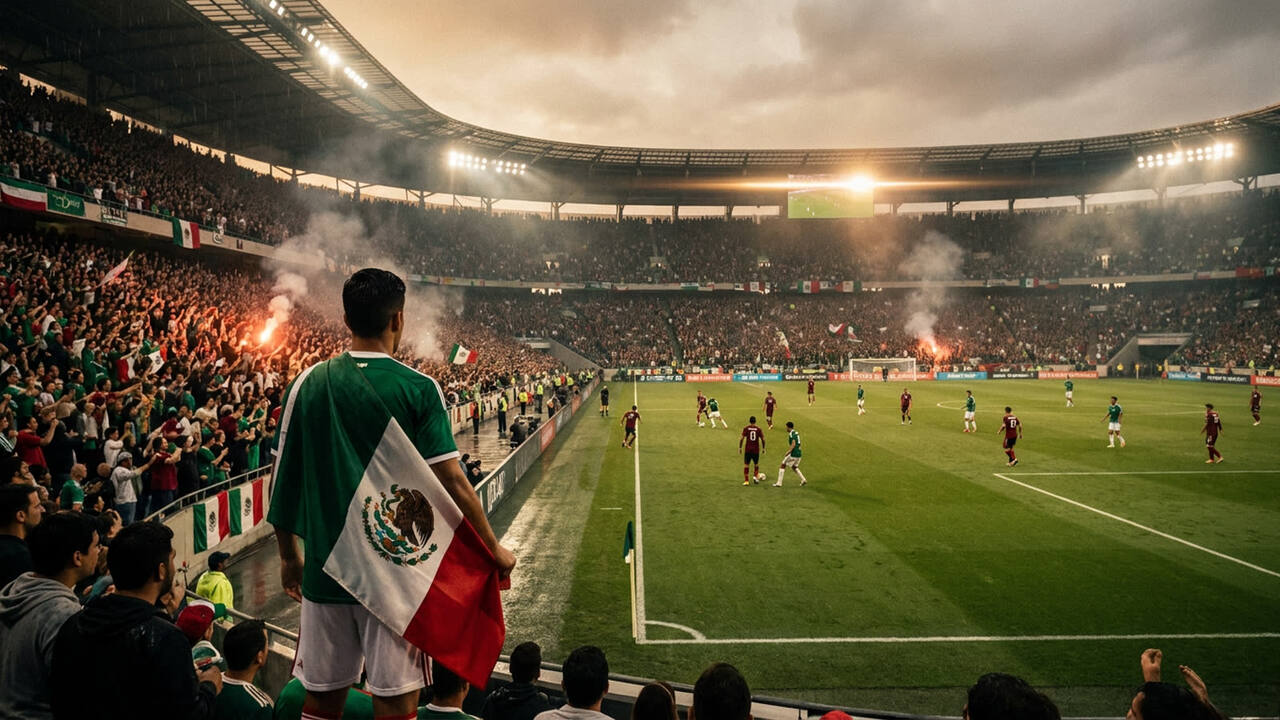
The 2026 World Cup has placed Mexico in the global spotlight in a way that transcends the usual tournament coverage. Hosting duties shared with the United States and Canada have prompted a wave of heritage tourism and cultural programming, and both Pachuca and Real del Monte have seized the moment. Local governments have invested in signage, walking tours, and promotional campaigns. The debate has spilled onto social media, where partisans trade archival documents and accusations of revisionism.
For the national team's supporters, the origin story is less important than the present: Mexico's squad has performed admirably, and the tournament's success on home soil has rekindled pride that transcends regional squabbles. But for the residents of these two towns, the stakes feel existential. To be the birthplace of Mexican soccer is to be the birthplace of something that defines the nation.
Our take
Both towns are probably right, and both are certainly invested in being more right than the other. The Cornish miners almost certainly kicked a ball around Real del Monte before anyone in Pachuca formed a club; Pachuca almost certainly deserves credit for institutionalizing the sport. What matters more is that a century-old argument between two mountain towns can still generate passion during a World Cup—proof that football in Mexico is not just a game but a living, contested inheritance.