The NBA has spent the better part of a decade trying to make the In-Season Tournament feel like it matters. Now it's trying something radical: making it feel like basketball.
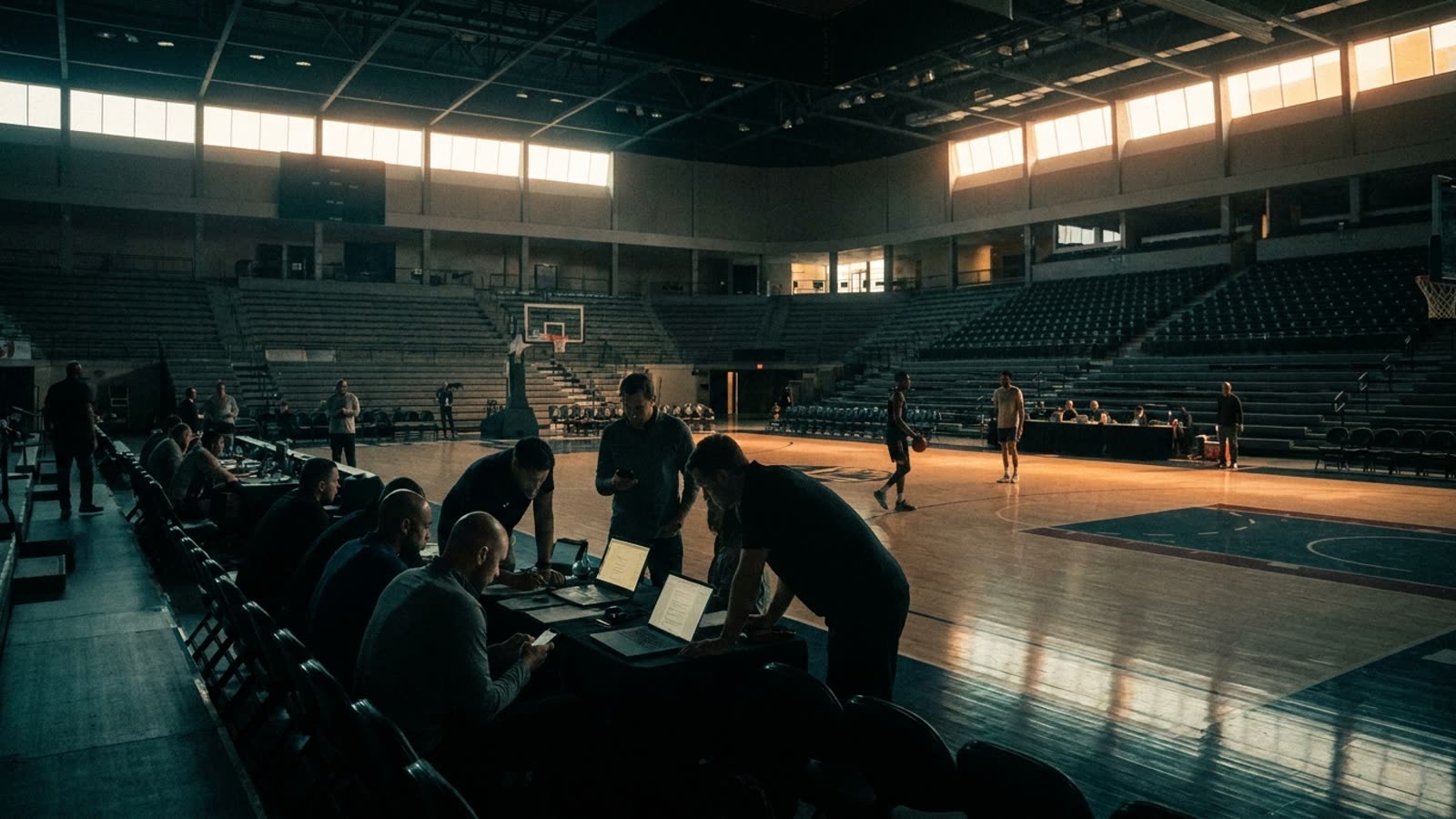
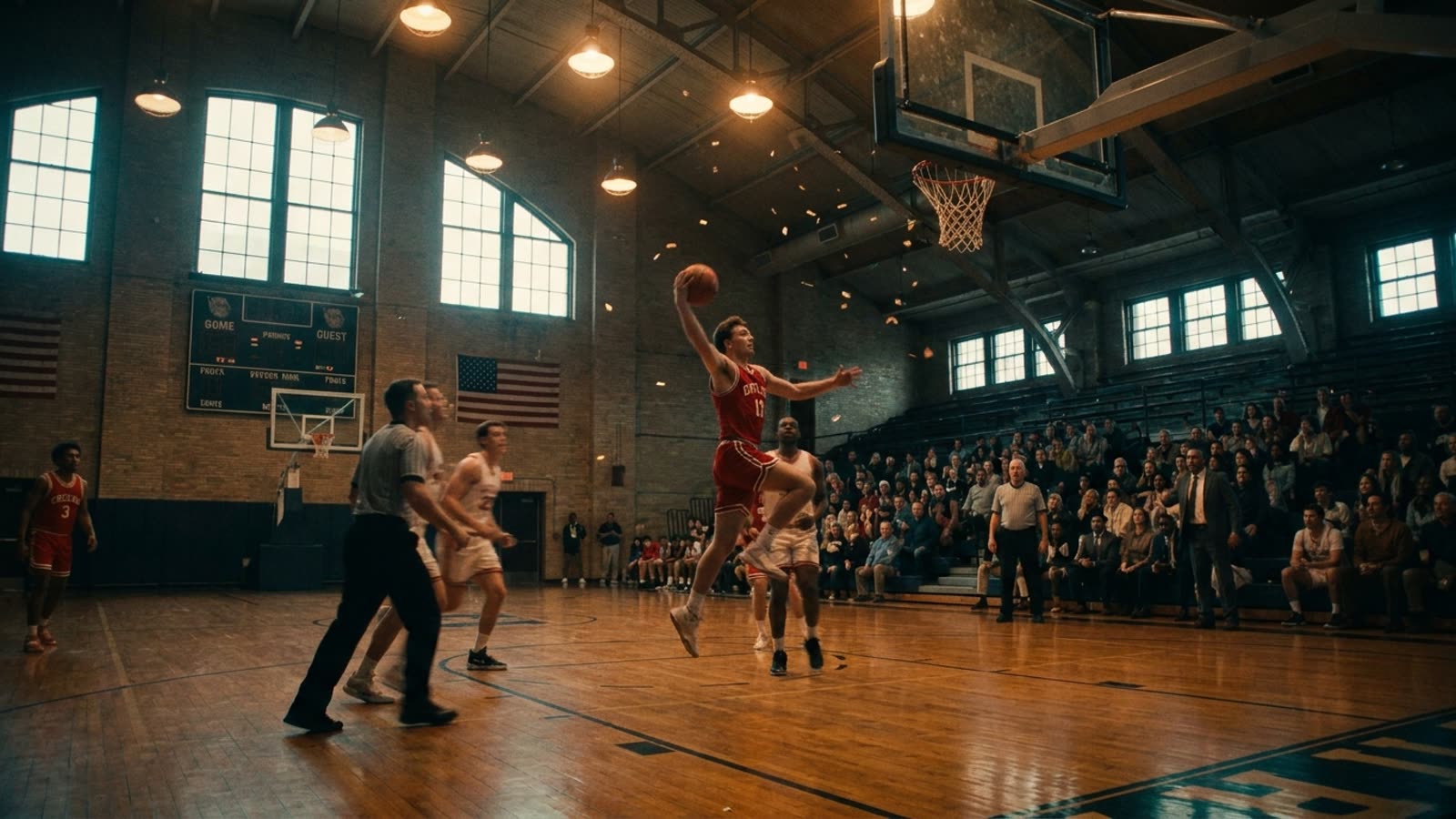
The league announced that the 2026 NBA Cup final will be held at Hinkle Fieldhouse, the 96-year-old gymnasium on the Butler University campus in Indianapolis. The building seats fewer than 10,000 people. It has no luxury suites to speak of. The concourse smells like popcorn and floor wax. It is, in other words, the exact opposite of every arena the NBA has built or renovated in the past two decades—and that's precisely the point.
The Hoosiers gambit
Hinkle Fieldhouse is where the final scenes of Hoosiers were shot, the 1986 film that remains the platonic ideal of American basketball cinema. The building opened in 1928 and was, for a time, the largest basketball arena in the country. Its steep sight lines and exposed steel trusses have made it a pilgrimage site for anyone who believes the sport was better when the gyms were smaller and the sneakers were canvas.
The NBA is leaning into that mythology with both hands. Commissioner Adam Silver has spent years arguing that the In-Season Tournament needed a destination—a single site that would make the final feel like an event rather than a Tuesday night game with a trophy at the end. Las Vegas hosted the first two editions, and while the gambling capital delivered on spectacle, it never quite delivered on soul. Hinkle is the opposite bet: less flash, more resonance.
Why small might work
The capacity constraints are a feature, not a bug. The NBA has watched the NFL turn its draft into a traveling festival and the NHL transform its outdoor games into premium-ticket events precisely because scarcity creates demand. A 9,100-seat final means the secondary market will be chaotic, the atmosphere will be deafening, and the broadcast will look unlike anything else the league produces. Players will be close enough to hear individual hecklers. The rim will echo.
There's a commercial logic, too. Indianapolis is bidding aggressively for major events—the city hosts the 2026 NBA All-Star Game earlier in the season—and the state of Indiana has turned basketball heritage into an economic development strategy. The Fieldhouse restoration, completed in 2024, was funded in part by the expectation that moments like this would follow.
Our take
The NBA Cup has struggled to find an identity because it was designed by committee: a little March Madness, a little European cup competition, a little Vegas residency. None of it cohered. Hinkle Fieldhouse won't solve the tournament's existential questions—players still don't care about it the way they care about a championship—but it gives the event something it has lacked: a story. Basketball was invented in a Massachusetts YMCA and perfected in Indiana high school gyms. Putting the Cup final in one of those gyms is a gamble that history still sells. It probably does.