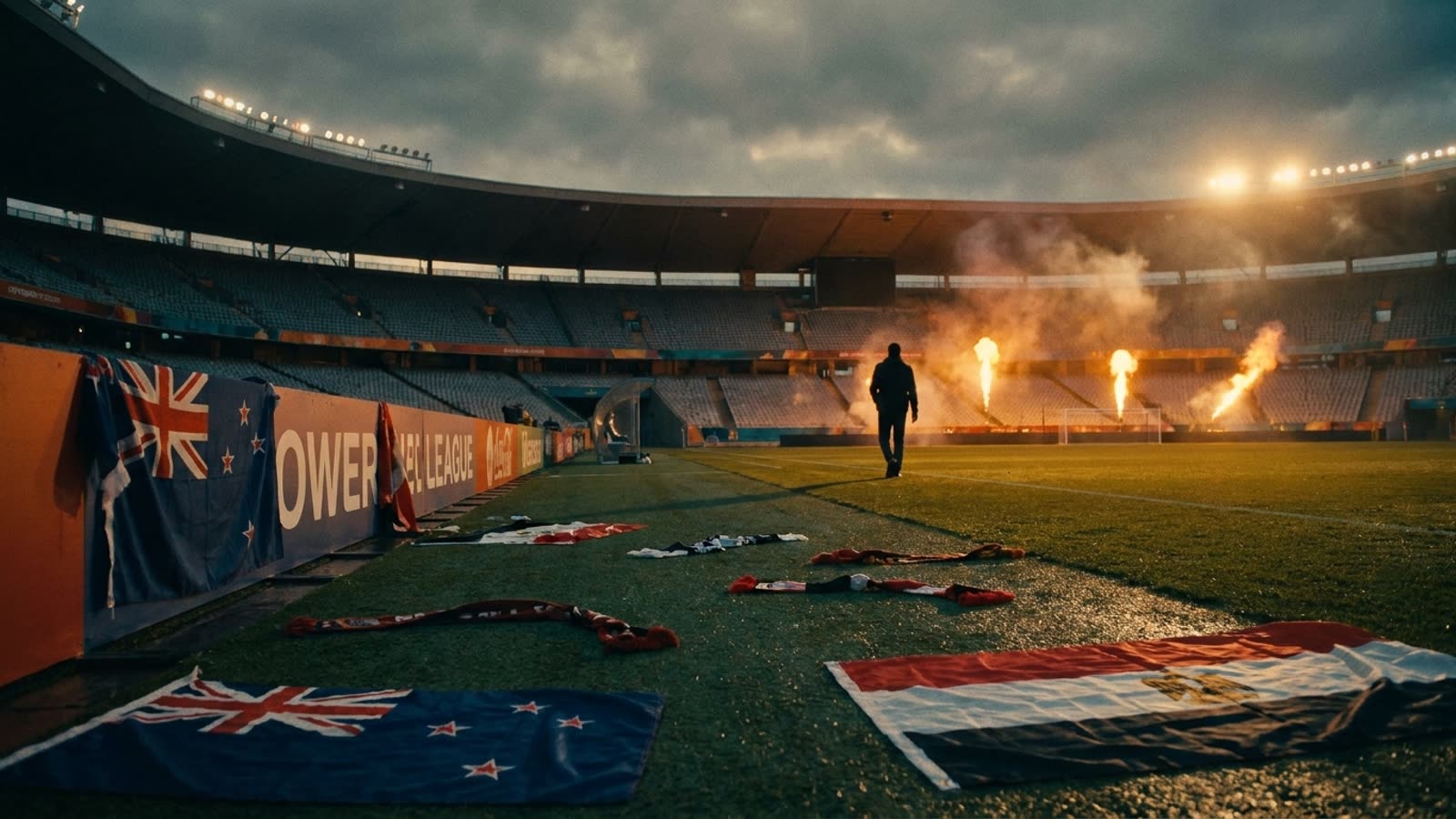
The 2026 World Cup's expanded format was supposed to give more nations a seat at football's grandest table. What it has actually done is turn every group-stage match into a referendum on survival. When New Zealand face Egypt in their Group G clash, both sides will understand that a loss here might mean an early flight home.
The mathematics are unforgiving. Under the new 48-team structure, groups contain three teams rather than four, with only the top two advancing automatically. A single defeat doesn't merely complicate your path—it can functionally end your tournament before the second match. The old format allowed teams to recover from an opening stumble; this one offers no such luxury.
The All Whites' long wait
New Zealand's World Cup history is a study in noble futility. Their 2010 campaign in South Africa remains their high-water mark—three draws, zero defeats, yet still eliminated on goal difference. The All Whites have waited sixteen years to prove that wasn't a fluke, and their squad now blends experienced European-based professionals with a generation that grew up watching that unbeaten run on television.
The pressure of representing Oceania's only automatic qualifier weighs heavily. Australia's defection to the Asian confederation decades ago left New Zealand as the region's sole standard-bearer, a responsibility that amplifies every result.
Egypt's generational window
For Egypt, the calculus is different but equally urgent. The Pharaohs missed Russia 2018 after Mohamed Salah's injury-marred campaign and failed to qualify for Qatar entirely. Their golden generation—Salah chief among them—isn't getting younger. This tournament may represent the last realistic chance to make a deep run with their best players in something approaching their prime.
Egyptian football has historically underperformed at World Cups relative to its continental dominance. Seven Africa Cup of Nations titles have never translated into knockout-round success on the global stage. The expanded format, ironically, makes that breakthrough both more accessible and more perilous.
Our take
FIFA sold the 48-team expansion as democratization, but what they've actually created is a tournament where the stakes arrive immediately and never relent. There's something thrilling about that—no dead rubbers, no coast-to-qualification scenarios. But it also means that teams like New Zealand and Egypt, for whom merely reaching the World Cup represents years of effort, might find their dreams extinguished before they've properly begun. The beautiful game has always been cruel; the new format just accelerates the cruelty.