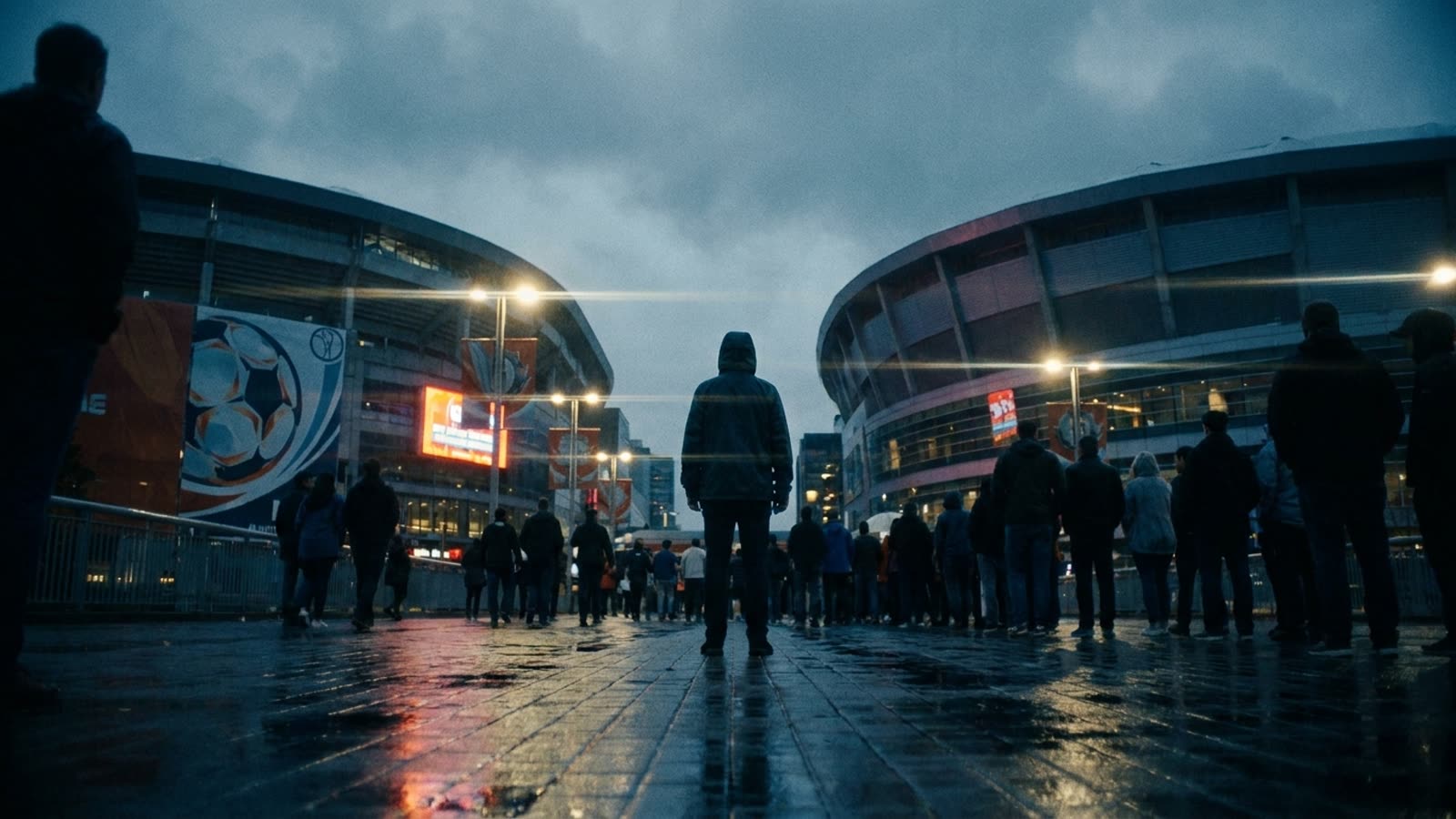
The economics of fandom have always defied rational calculation, but the 2026 World Cup is testing that thesis with particular vigor. In Vancouver, one of the tournament's Canadian host cities, supporters from dozens of nations are converging with a singular message for FIFA's accountants: price is no object when the alternative is missing history.
The phenomenon reveals something fundamental about how humans value experience over assets. A supporter who flew from São Paulo, booked a downtown hotel at surge pricing, and secured tickets through secondary markets at multiples of face value isn't making a financial decision in any conventional sense. They're purchasing a memory, a story, a claim to have been present when their nation competed on the world's largest stage.
The pilgrimage premium
What distinguishes World Cup travel from ordinary sports tourism is its quadrennial scarcity and its deep entanglement with national identity. A Premier League match happens every weekend; a World Cup match featuring your country might not come again for four years, or ever, depending on qualification. This creates what behavioral economists would recognize as a perfect storm of FOMO and identity-driven spending.
Vancouver's visitors are disproportionately international, many having planned these trips for years. The city's position as a Pacific gateway has drawn particularly strong contingents from Asian and Oceanian nations, for whom the tournament's North American location represents a rare geographic advantage. Japanese supporters who would have faced brutal time zones for a European World Cup are instead dealing with merely inconvenient ones.
The secondary market reality
FIFA's official pricing, while not cheap, bears little resemblance to what many fans actually paid. The secondary market has performed its usual function of revealing true demand, and the numbers suggest that official allocations badly underestimated how much people would pay for certain matches. Group stage tickets for marquee nations have traded at three to five times face value, while knockout rounds remain largely theoretical given how few have reached resale platforms.
This creates a two-tier system that FIFA has never successfully addressed: those with the connections or luck to secure official tickets, and those with the resources to buy their way in afterward. Vancouver's crowds reflect this split, mixing package-tour groups with individual travelers who clearly spent more on admission than airfare.
Our take
The fans filling Vancouver's streets aren't victims of predatory pricing; they're participants in a collective agreement that certain experiences transcend normal value calculations. FIFA knows this and prices accordingly, but the real story is the human one—people who saved for years, who convinced skeptical spouses, who took unpaid leave from jobs that barely tolerate such indulgences. The World Cup's business model is built on the understanding that for a certain percentage of the global population, this isn't a sporting event. It's a pilgrimage. And pilgrims have never been known for their fiscal restraint.