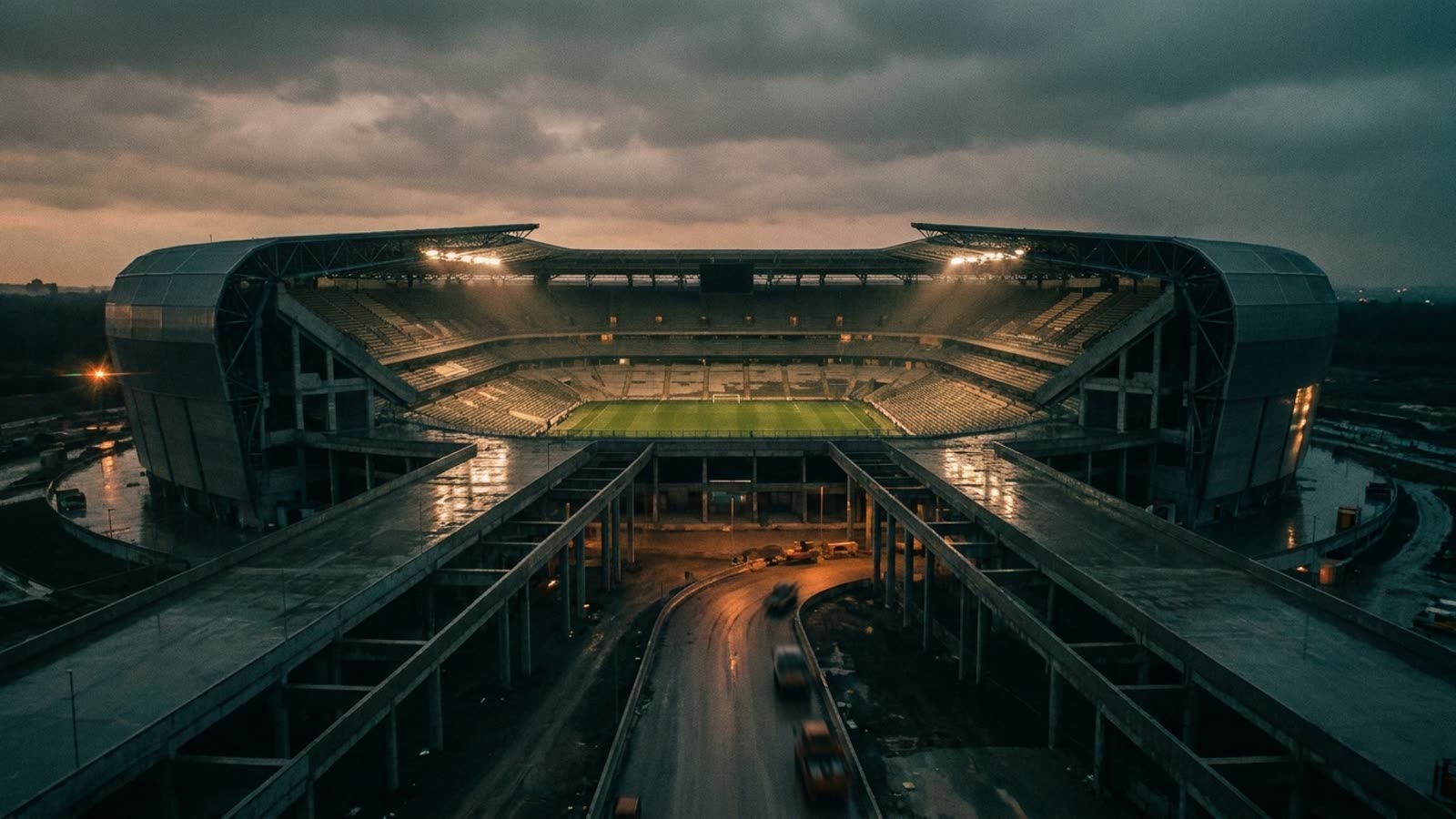
The 2026 World Cup was supposed to be the biggest party in football history — 48 teams, three host nations, and the tournament's triumphant return to North American soil for the first time since 1994. Instead, the opening days have revealed an uncomfortable truth: FIFA built a stadium and forgot to make sure people could afford to come.
Reports from host cities across the United States, Mexico, and Canada paint a picture of half-filled hotels, discounted airline seats, and supporters watching from living rooms rather than stands. The culprit is straightforward arithmetic: when you expand a tournament by 50% and price tickets accordingly, you discover that global football fandom has limits — specifically, financial ones.
The pricing paradox
FIFA's ticket strategy for 2026 reflected its ambitions. Category 1 seats for group-stage matches reached prices that would have bought multiple tickets at prior tournaments. Add international flights, accommodation in cities like New York, Los Angeles, and Mexico City, and the cost of attending even a single match ballooned into the thousands for many fans. The federation bet that expanded capacity would absorb premium pricing. The bet appears to be losing.
Hotel occupancy in host cities has underperformed projections, according to industry data, with rates in some markets actually declining as properties scramble to fill rooms. Airlines that added capacity for the tournament are reportedly offering deals on routes that should have been sold out months ago. The secondary ticket market, usually a reliable indicator of demand, has seen prices soften rather than spike.
Who actually showed up
Mexico's opening victory over South Africa at the Azteca demonstrated the split. The stadium was full — home advantage and historical significance guaranteed that. But the traveling contingent of South African supporters was notably thin, a pattern observers expect to repeat as teams from less wealthy footballing nations advance through the group stage. The tournament risks becoming a showcase primarily for fans who can afford transcontinental travel and premium pricing, which is to say, not the global celebration FIFA marketed.
Corporate hospitality packages have sold reasonably well, suggesting the event's appeal to sponsors and business entertainment remains intact. But the atmosphere that makes World Cups memorable — the singing, the flags, the sense that an entire nation has traveled to support eleven players — requires ordinary fans, not executives on expense accounts.
Our take
FIFA wanted a bigger World Cup and priced it like a luxury good. Now it has a tournament that may produce excellent football in front of crowds that feel curiously muted. The irony is that the organization's own greed undermines its product: atmosphere is what separates a World Cup from a friendly, and atmosphere requires accessible tickets. If the stands stay quiet, FIFA will have no one to blame but the accountants who confused maximum revenue with maximum spectacle.