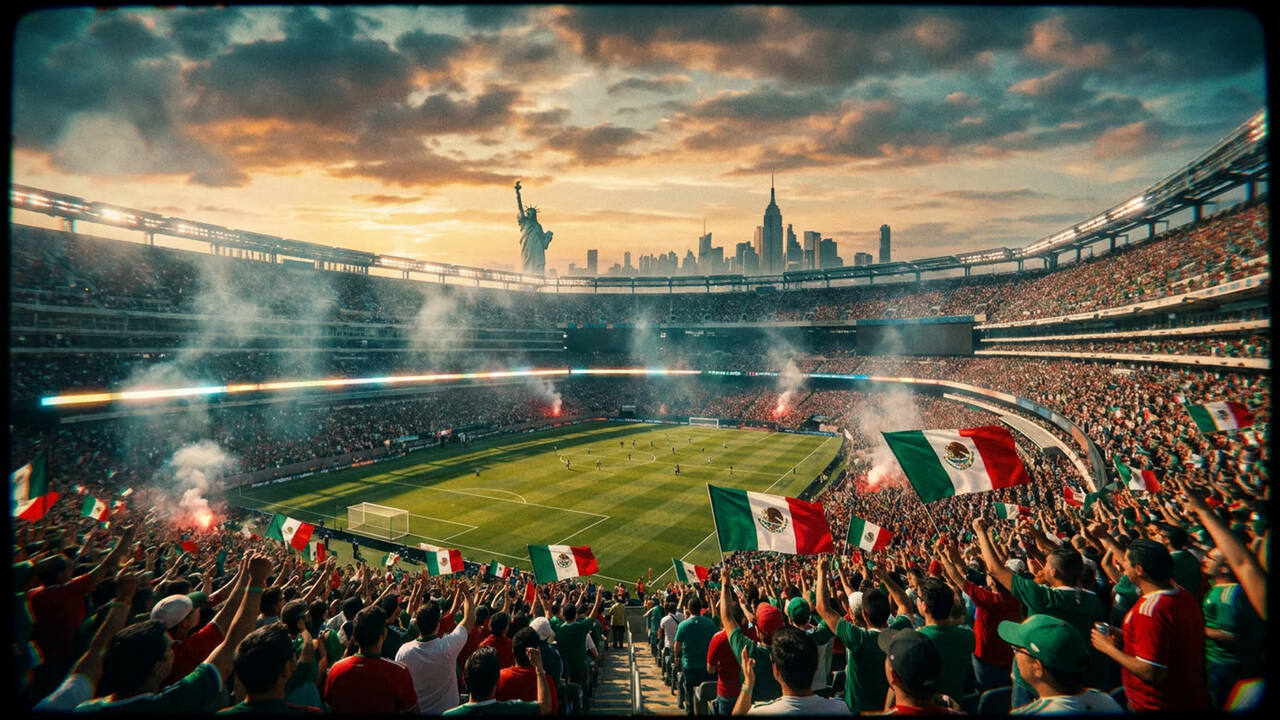
The 2026 World Cup was supposed to be America's coming-out party as a soccer nation. Instead, it has become something more interesting: a 48-team demonstration of what happens when the world's most diverse country hosts the world's game.
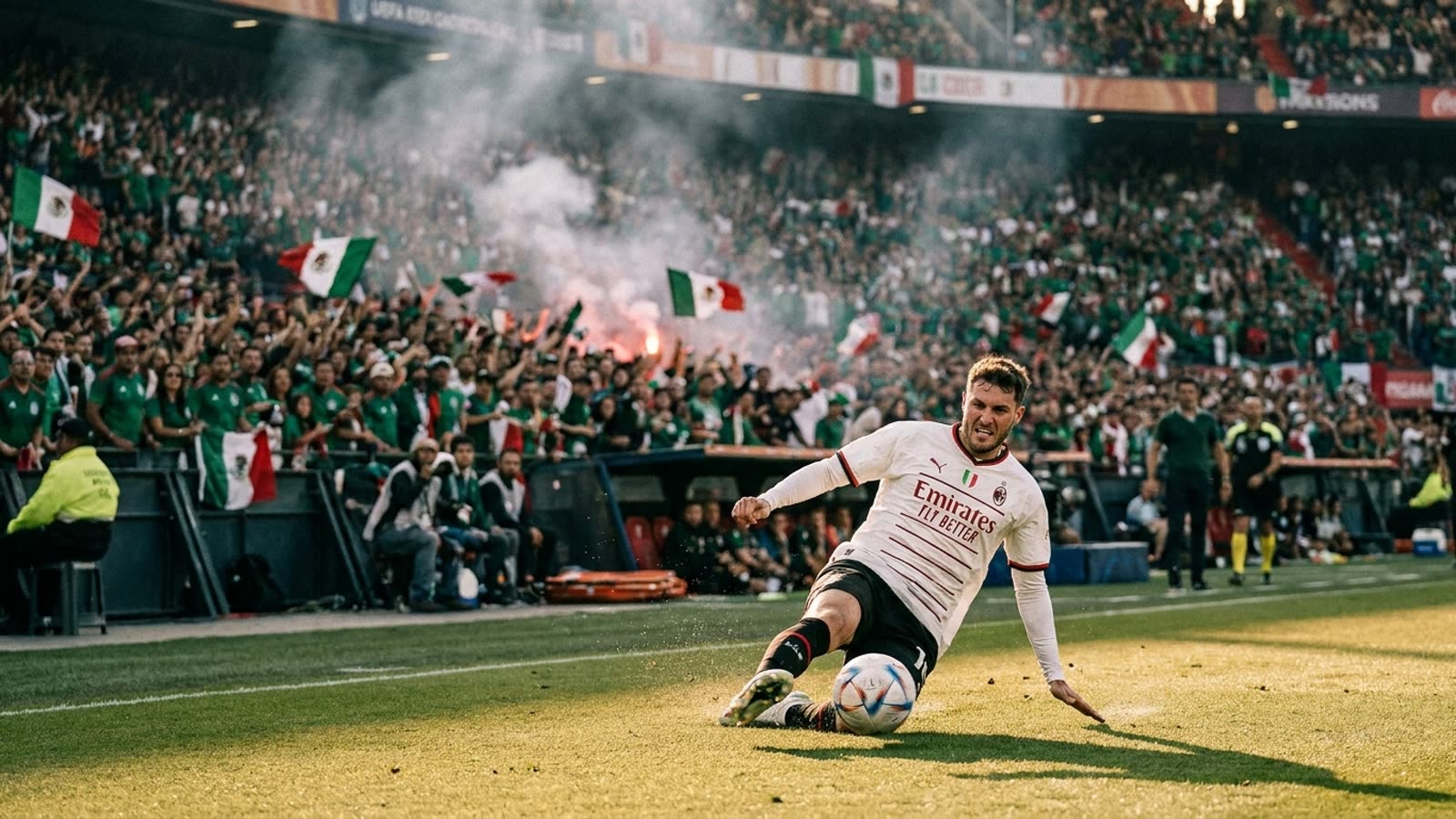
In stadiums from Los Angeles to New Jersey, the home team keeps changing depending on who's playing. Mexico fills the Rose Bowl with a sea of green that drowns out any opposition. El Salvador's match in Houston drew Salvadoran-Americans from across Texas who had never seen their national team play live. When Senegal took the field in Atlanta, the city's West African community turned Mercedes-Benz Stadium into Dakar for ninety minutes.
The arithmetic of belonging
The numbers tell the story. The United States is home to roughly 11 million Mexican-born residents and tens of millions more of Mexican descent. Add the substantial populations from El Salvador, Guatemala, Colombia, and dozens of other footballing nations, and you have a country where virtually every World Cup participant can claim a passionate, local fanbase. FIFA's gamble on American stadiums wasn't just about capacity—it was about guaranteed atmosphere.
This creates genuinely novel situations. When Mexico played Ecuador in Guadalajara, it was a straightforward home match. When they met hypothetically in Los Angeles, both teams would have had legitimate claim to home support. The tournament's group stage has produced scenes unimaginable elsewhere: Nigerian supporters in Houston singing alongside their American-born children who grew up on MLS but inherited their parents' green-and-white allegiances.
What it means for the USMNT
The flip side is uncomfortable for American soccer's boosters. The USMNT has played "home" World Cup matches where they were clearly outnumbered by opposing fans. This isn't new—Mexico has dominated the stands in US-Mexico fixtures for decades—but the World Cup has amplified it. Mauricio Pochettino's squad has had to develop a siege mentality even in their own country.
Yet there's something clarifying about this. American soccer culture has long been caught between aspiration and authenticity, trying to manufacture the passion that emerges organically elsewhere. The World Cup has revealed that the passion was always there—it just wore different colors. The question isn't whether Americans care about soccer; it's which Americans, and which teams.
Our take
The hand-wringing about whether America is "ready" for soccer has always missed the point. The country has been ready for decades—it simply hasn't been ready in the way that US Soccer's marketing department imagined. The 2026 World Cup is proving that the United States doesn't need to become a soccer nation; it already is one, just not a unified one. That's not a failure of American sporting culture. It's an honest reflection of what America actually is: not a melting pot that dissolves old loyalties, but a country where a kid from Boyle Heights can cheer for Mexico and mean it completely.