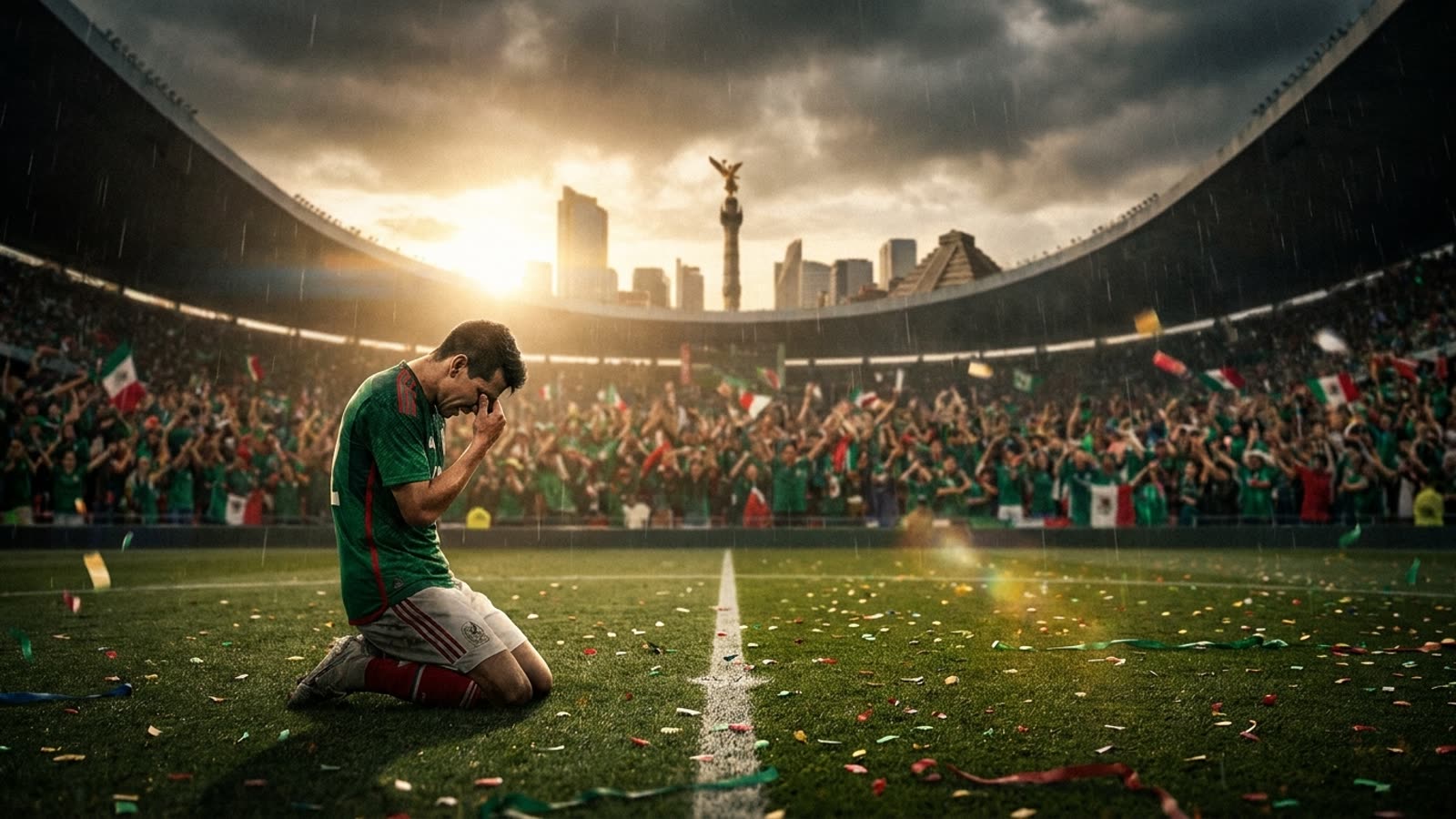
For a nation that has perfected the art of World Cup heartbreak, Tuesday night in Mexico City felt like collective therapy. El Tri's 2-0 demolition of Ecuador was not merely a result; it was an exorcism.
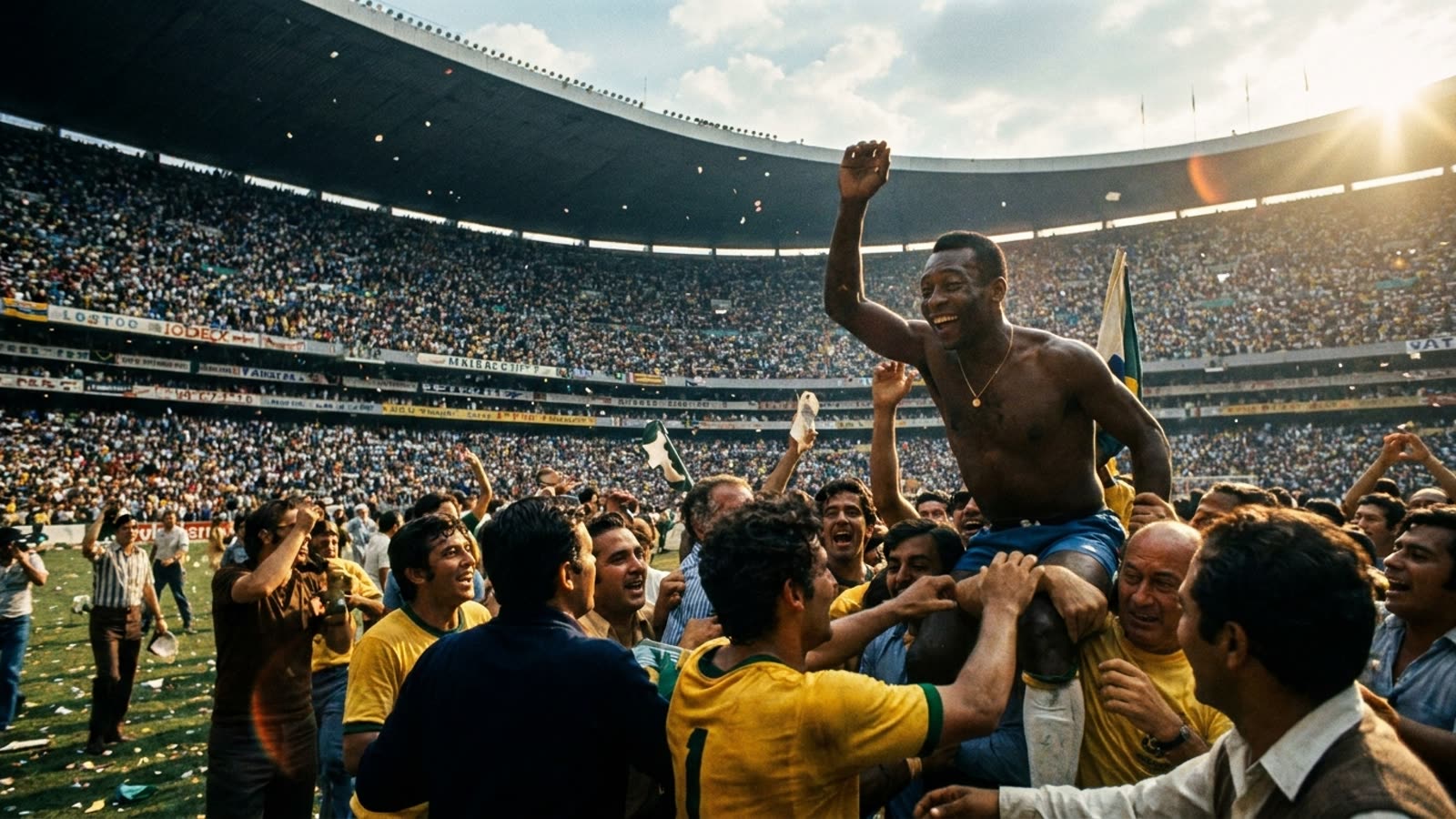
Mexico had not won a knockout match at a World Cup since 1986, when the tournament was last held on home turf and Hugo Sánchez was in his prime. The infamous "quinto partido" curse — the inability to advance past the Round of 16 — had become a national punchline, a fixture of Mexican football discourse as reliable as the wave and the "¡Eeeeh, puto!" chant that FIFA keeps trying to ban. On Tuesday, in front of 87,000 delirious fans at the Estadio Azteca, that curse was buried with surgical precision.
The goals that mattered
Santiago Giménez opened the scoring in the 23rd minute, finishing a slick team move that began with Edson Álvarez winning possession in midfield — a sentence that could describe roughly half of Mexico's best attacking sequences this tournament. The Chelsea midfielder has been the tournament's quiet revelation, a metronome who makes everyone around him look slightly more competent.
The second goal, a 71st-minute strike from Hirving Lozano, was the dagger. Ecuador had been pressing for an equalizer, leaving space in behind, and Lozano — who has endured a frustrating club career since his Napoli peak — reminded everyone why he was once the most expensive Mexican player in history. The finish was emphatic, low and hard past Alexander Domínguez, and the Azteca erupted in a way it has not since the 1986 final.
Ecuador's missed opportunity
For La Tri, this was a tournament that promised more than it delivered. Ecuador arrived in North America with genuine ambitions, having topped a qualifying group that included Argentina and Brazil. But Félix Sánchez's side never found its rhythm in the knockout round, looking tentative against a Mexican press that was far more organized than anything they had faced in the group stage.
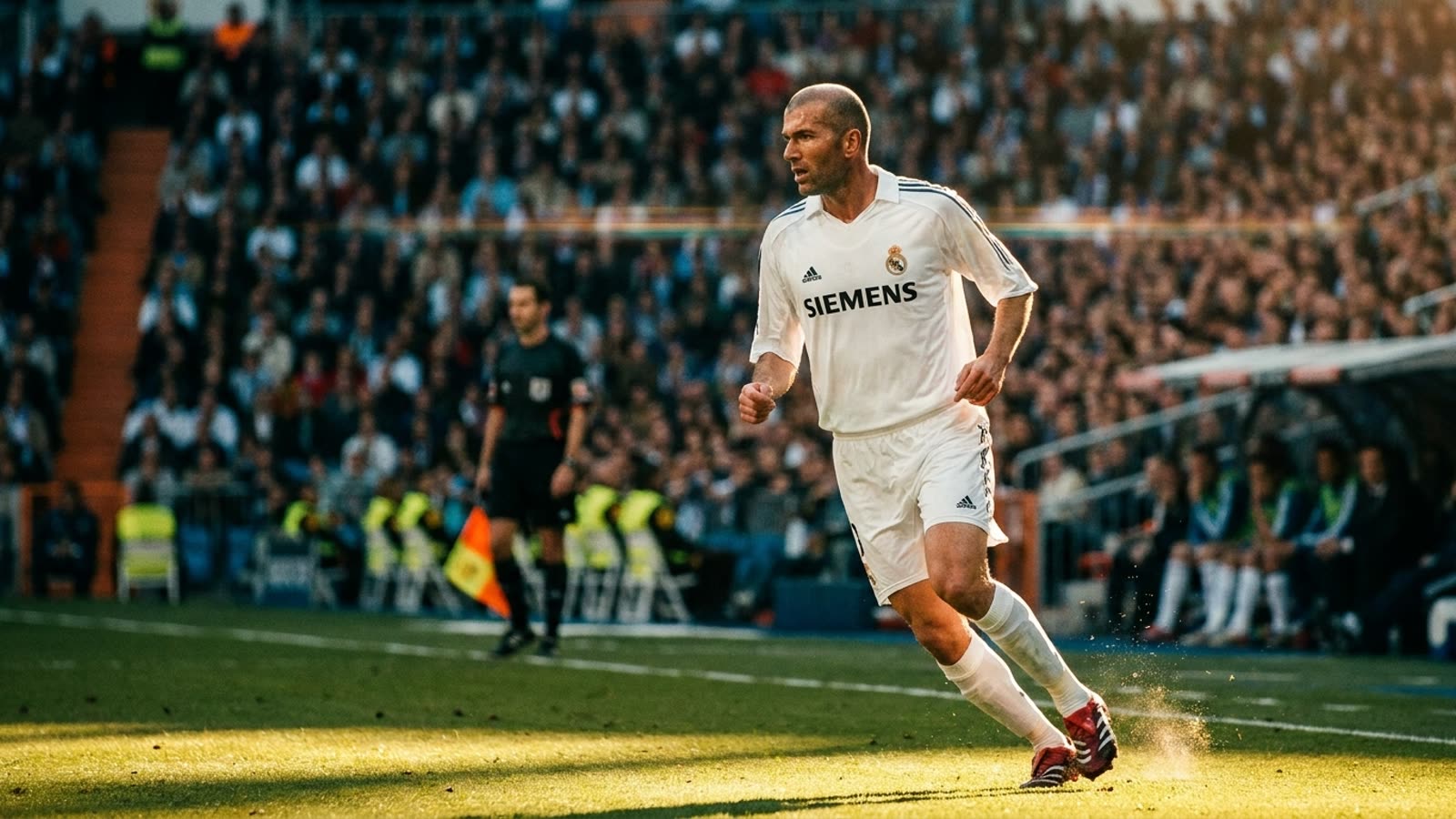
Moisés Caicedo, the Liverpool midfielder who was supposed to dominate the midfield battle, was largely anonymous — a testament to Mexico's tactical discipline as much as any individual failing. Ecuador will return home wondering what might have been, their young core still talented but now facing the familiar South American question: can they ever convert promise into silverware?
Our take
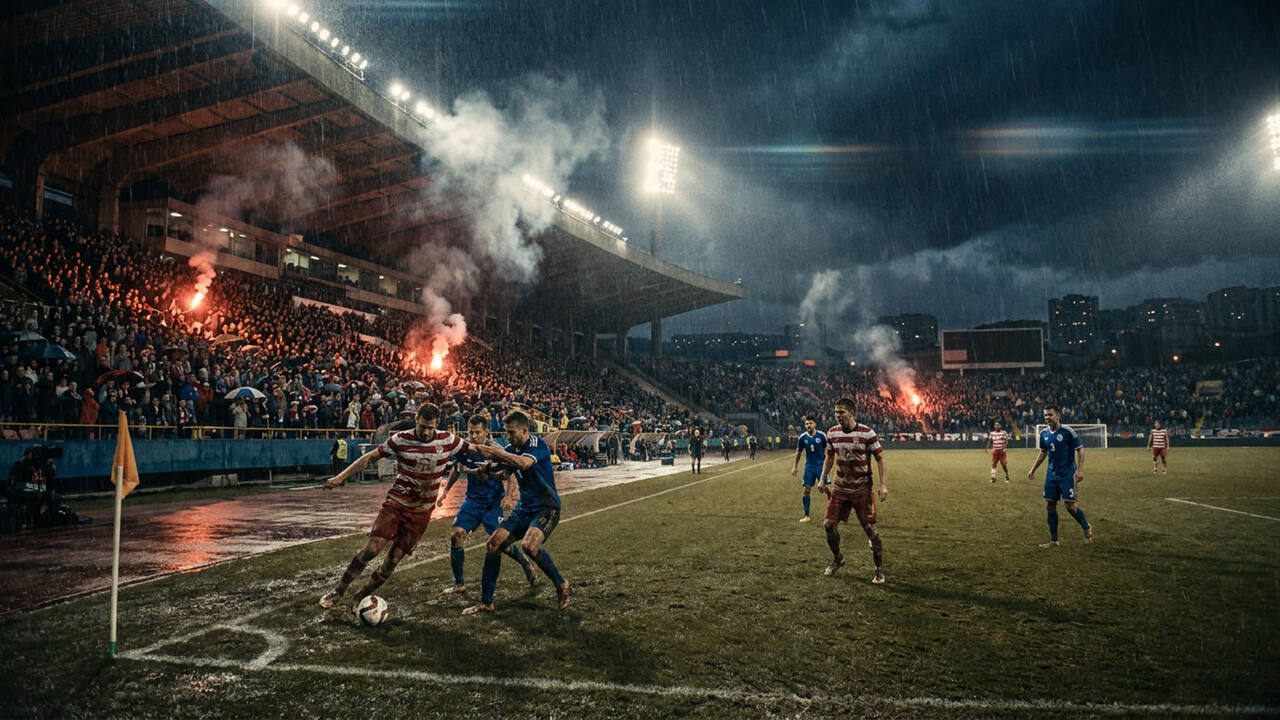
Mexico's quarterfinal opponent will be either the United States or Bosnia-Herzegovina, a matchup that — if it materializes — would be the most anticipated CONCACAF clash in World Cup history. But that is a problem for another day. For now, Mexican football can exhale. The quinto partido is no longer a ceiling; it is a floor. Whether this golden generation can go further remains to be seen, but they have already achieved something their predecessors could not: they have given their country permission to believe.