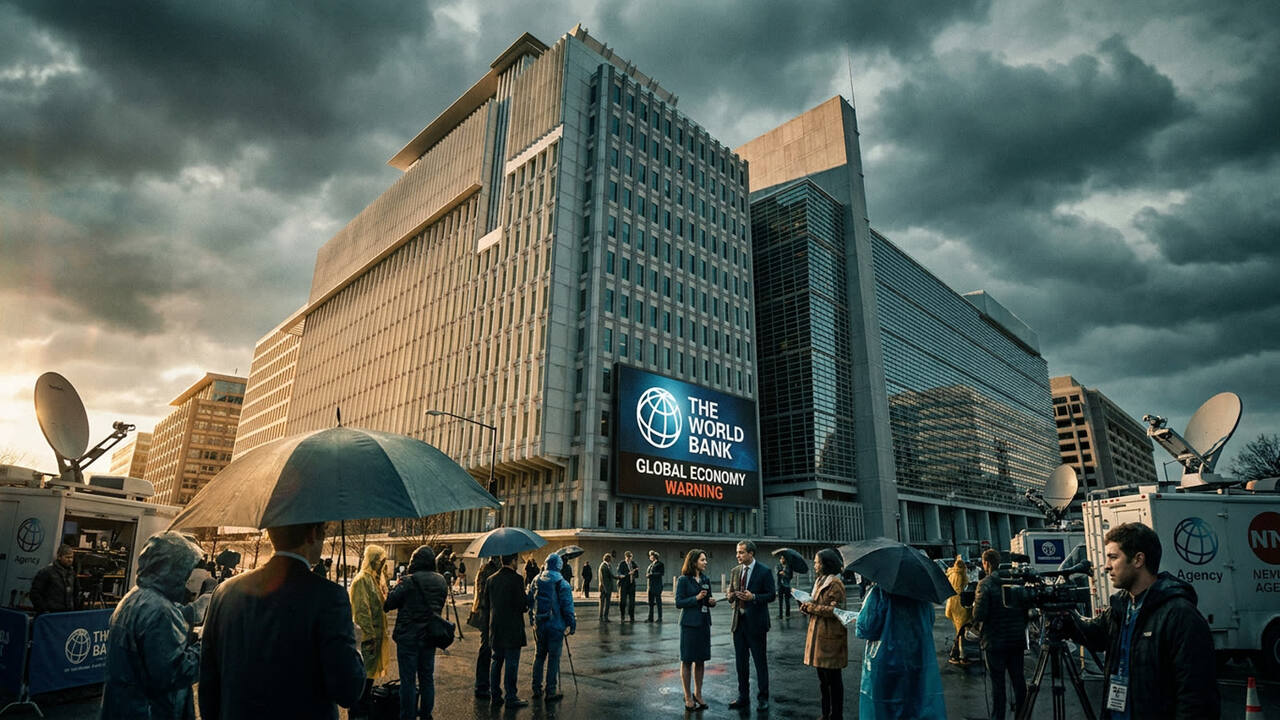
The World Bank does not typically engage in drama. Its reports arrive in the measured cadence of institutional caution, hedged with caveats and softened by the language of probability. So when the institution issues a mid-year warning that the Iran conflict is actively slowing global growth, the signal is worth parsing.
The timing is notable. We are barely two weeks into open hostilities between the United States and Iran, and already the Bank has moved from scenario-planning to damage assessment. The message to finance ministries worldwide is clear: this is not a regional flare-up that markets can price in and forget. This is a structural shock.
The transmission mechanism
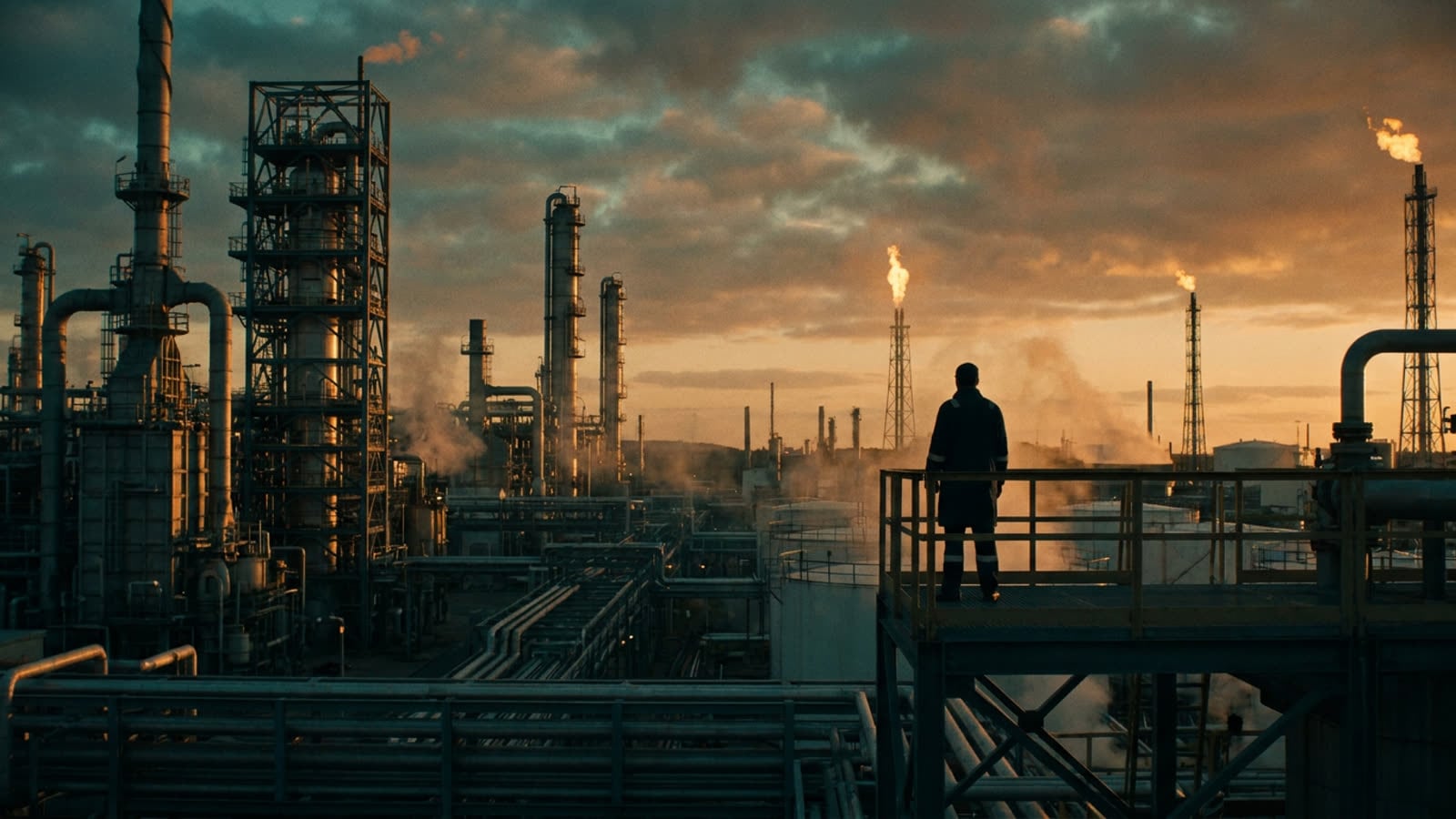
The arithmetic is straightforward, even if the politics are not. Iran sits atop roughly four percent of global oil production, and the Strait of Hormuz—through which roughly a fifth of the world's petroleum passes daily—remains the choke point that energy strategists have nightmared about for decades. President Trump's threat to seize Kharg Island, Iran's primary oil export terminal, has transformed that nightmare into a pricing model.
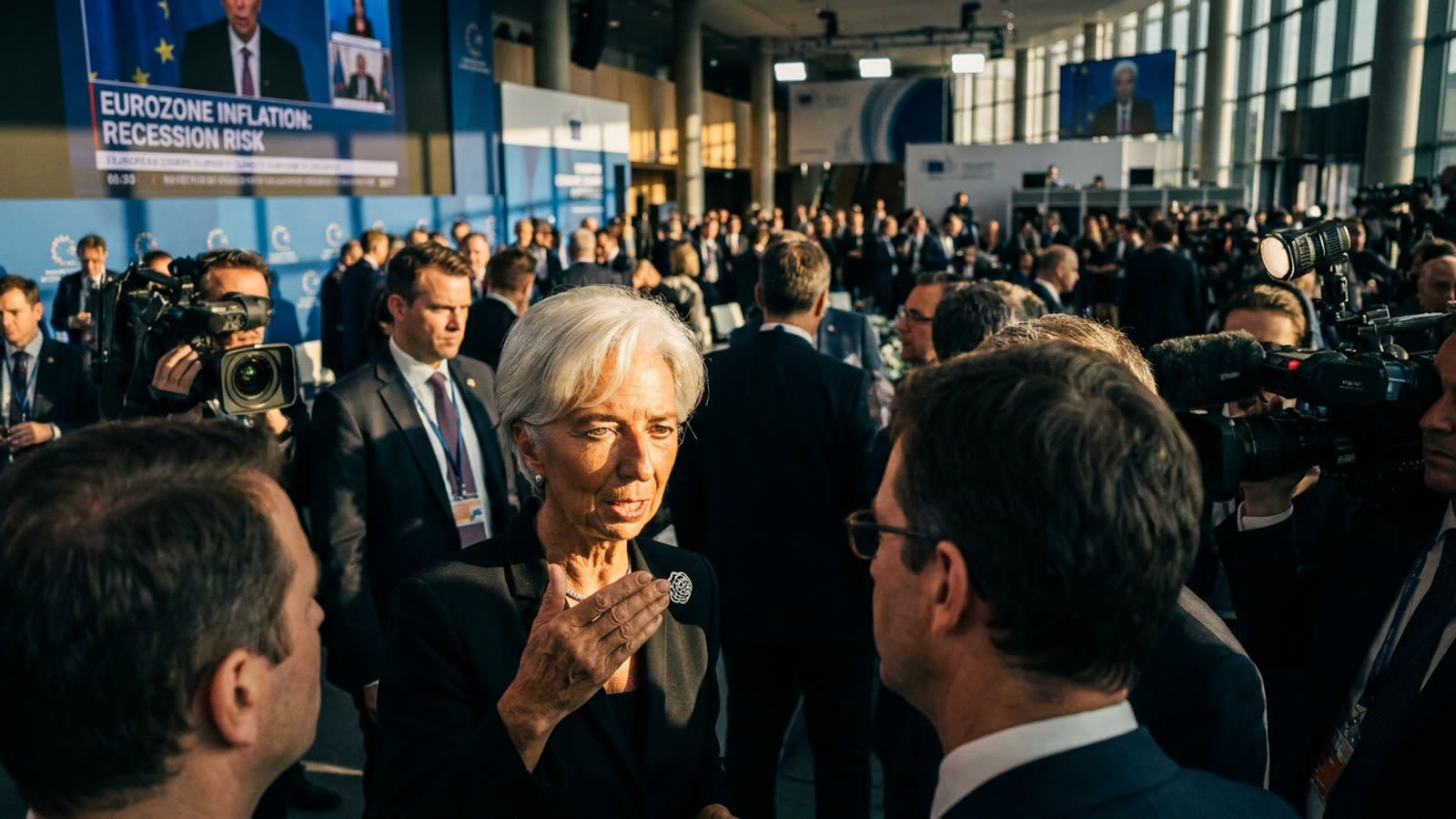
Brent crude has surged past levels not seen since the early days of the Ukraine war. For import-dependent economies in Europe and Asia, this translates directly into higher input costs, compressed margins, and the kind of inflationary pressure that central banks cannot easily address with rate policy alone. The European Central Bank's decision to raise rates today—even as growth forecasts dim—illustrates the impossible position policymakers now occupy.
The confidence problem
Beyond the direct energy shock lies a subtler but equally corrosive force: uncertainty. Capital expenditure decisions, hiring plans, and trade financing all depend on some baseline assumption about the near-term future. When that future includes the possibility of escalating strikes, oil infrastructure attacks, and potential disruption to global shipping lanes, the rational response is to pause.
The World Bank's warning implicitly acknowledges this. Growth does not slow merely because oil costs more; it slows because businesses and consumers begin to hedge against outcomes they cannot model. The psychological shift from "this will blow over" to "this might get worse" is itself a macroeconomic event.
Our take
The World Bank is not given to alarmism, which makes its intervention all the more striking. What we are witnessing is the formal acknowledgment that the Iran conflict has graduated from foreign-policy crisis to economic fact. The institution's willingness to revise forecasts mid-cycle suggests that internal models are flashing warnings that polite communiqués cannot fully convey. For investors, policymakers, and ordinary consumers bracing for higher prices, the message is sobering: the war premium is real, it is growing, and no one knows when it will be priced out.