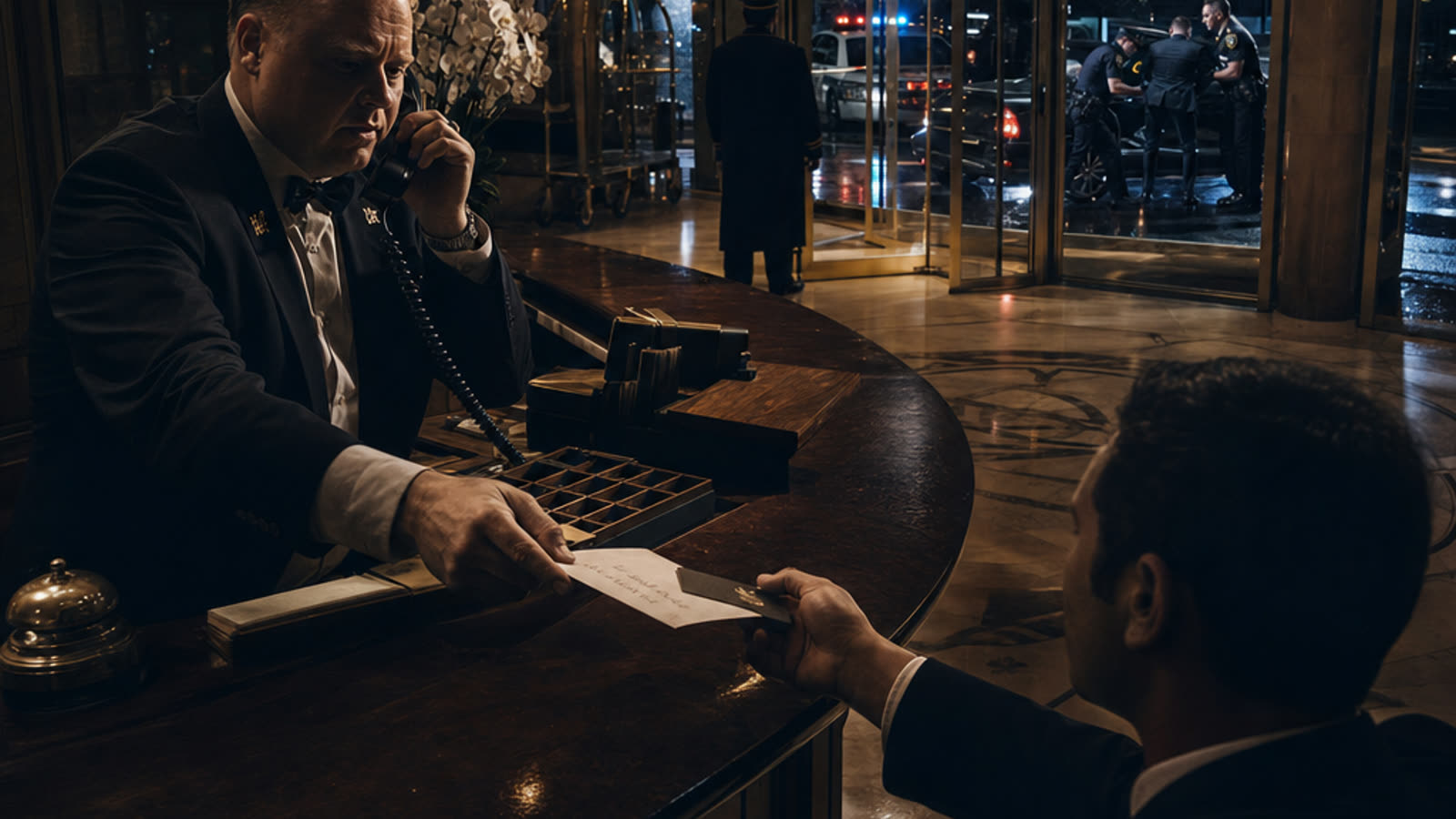
The concierge desk at a grand hotel looks like an anachronism. A human being in a tailored suit, standing behind a wooden lectern, waiting to help you find a restaurant or hail a taxi—services your phone dispatches in seconds. By the logic of technological disruption, this role should have vanished alongside the elevator operator and the switchboard attendant. Instead, the concierge has become more essential, more specialized, and considerably more expensive to employ.
The paradox illuminates something broader about luxury in the algorithmic age: the scarcest resource is no longer information but judgment, and the hardest thing to buy is someone who genuinely cares whether your evening goes well.
From Gatekeeper to Problem-Solver
The concierge profession traces to nineteenth-century France, where the term originally meant the doorkeeper of a building. At grand hotels, the role expanded to encompass local knowledge—where to dine, where to find a doctor, how to send a telegram abroad. For most of the twentieth century, the concierge's power derived from exclusive access: they held the private numbers of maître d's, the relationships with ticket brokers, the ability to secure the unsecurable.
The internet obliterated that monopoly. OpenTable democratized reservations. Google Maps made navigation trivial. Review aggregators let any tourist identify the best croissant within walking distance. The transactional concierge—the one who simply booked things—became redundant almost overnight.
What emerged in its place was something more interesting. The elite concierge today operates less as a booking agent and more as a fixer: someone who solves problems that algorithms cannot parse. A guest's child needs a specific medication available only at a pharmacy across the city, at midnight, during a transit strike. A CEO requires a private dining room for a negotiation that must remain invisible to the press. A bride discovers her wedding dress was lost by the airline, with the ceremony eighteen hours away.
The Economics of Impossible Requests
Luxury hotel groups now invest heavily in concierge training, treating the role as a competitive differentiator rather than a cost center. The leading professional body, Les Clefs d'Or, maintains rigorous standards for its golden-keys membership, and hotels compete to employ its members. The best concierges command salaries that would surprise guests who assume they survive on tips.
The economics make sense when you consider what they protect. A single disastrous guest experience at a top-tier property can cascade into reputational damage worth multiples of a concierge's annual salary. More importantly, the guests who require genuine concierge intervention—not restaurant recommendations but crisis resolution—tend to be the guests whose loyalty is worth cultivating. The concierge becomes a retention tool disguised as a service amenity.
There is also the matter of discretion. Algorithms leave trails. A concierge who arranges a private dinner, a last-minute flight, or a delicate personal matter leaves no digital exhaust. For guests whose lives are conducted under scrutiny, this analog opacity has become a luxury in itself.
Our take
The survival of the concierge is not nostalgia or theater. It reflects a genuine limit to what technology can automate: the moment when a problem has no searchable solution, when the guest is distressed rather than merely curious, when the answer requires not data but taste. The best concierges have always understood that their job is not to know everything but to care about the outcome. That turns out to be difficult to code.