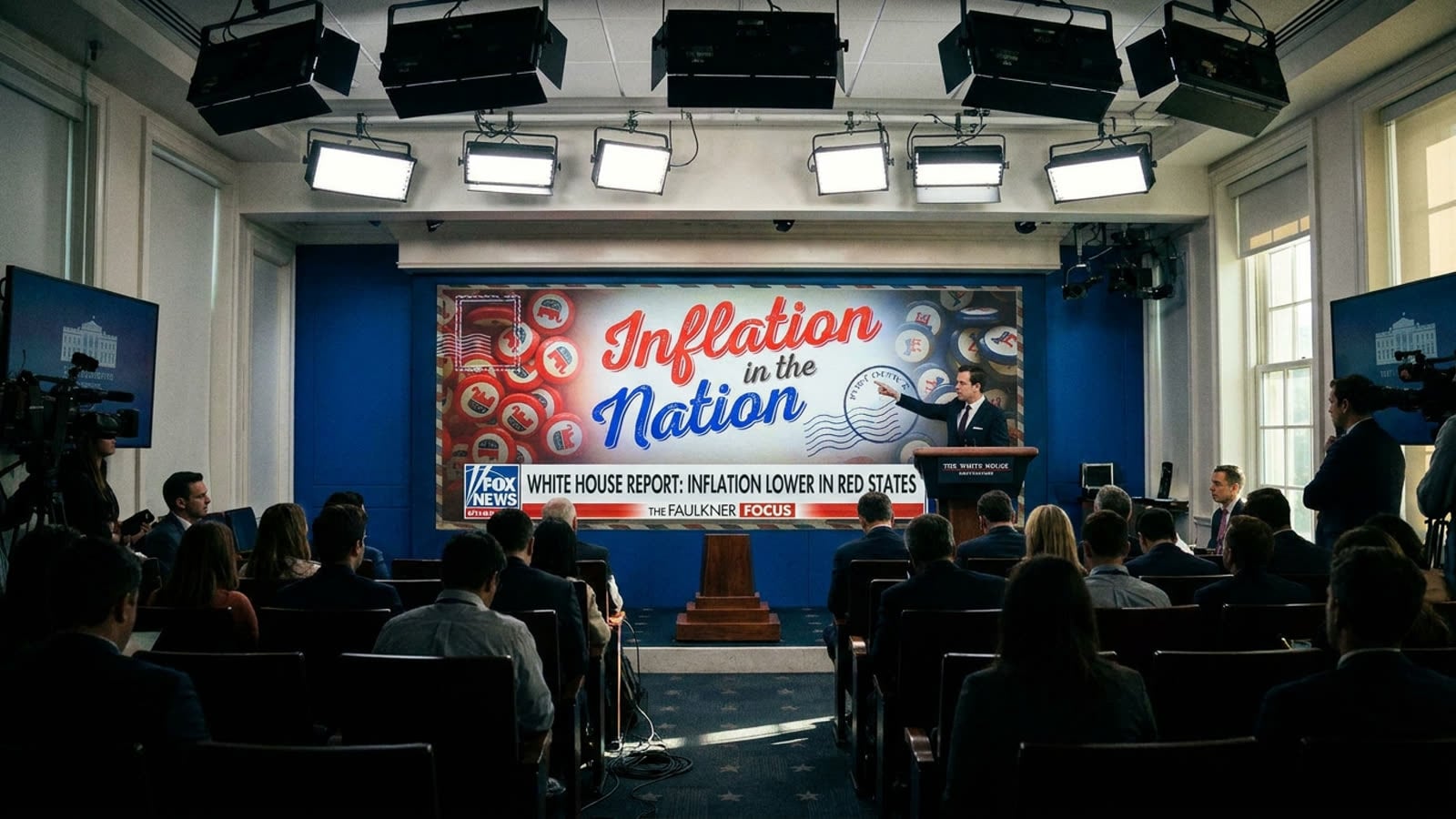
The Biden administration spent years promising to fight inflation like a kitchen fire. The current White House has decided to let it burn and blame the smoke on Tehran.
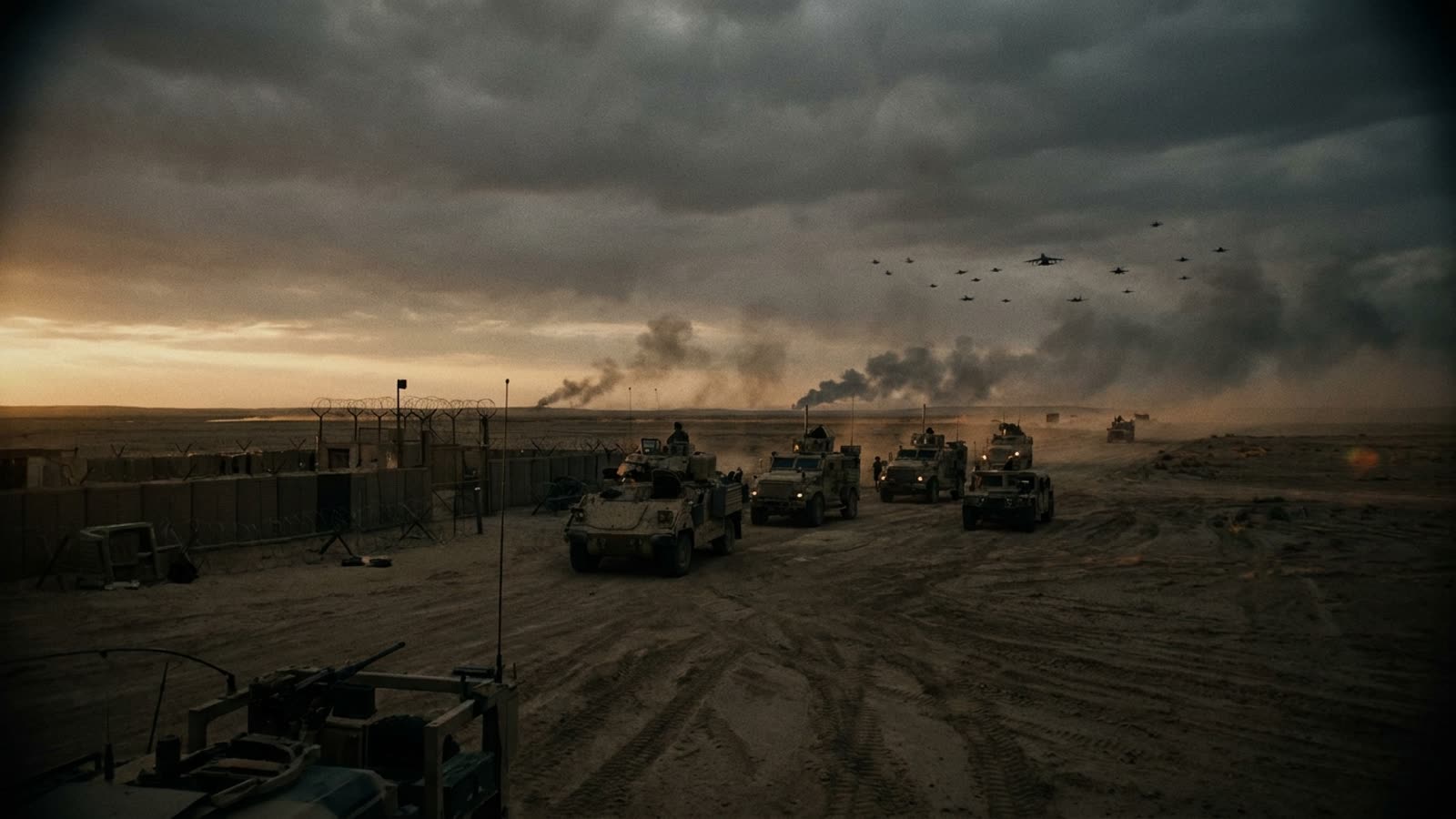
Administration officials this week continued their now-familiar routine of deflecting questions about rising consumer prices, pointing instead to the ongoing military conflict with Iran as both explanation and excuse. The messaging represents a deliberate strategic choice: rather than own the economic pain, reframe it as the unavoidable cost of national security.
The rhetorical machinery
What's notable isn't that an administration facing bad economic numbers is spinning—that's Washington's oldest sport. It's the particular flavor of the spin. Previous administrations facing wartime inflation at least performed concern. Lyndon Johnson agonized publicly about Vietnam-era price pressures. George W. Bush's team acknowledged Iraq war costs while defending the mission.
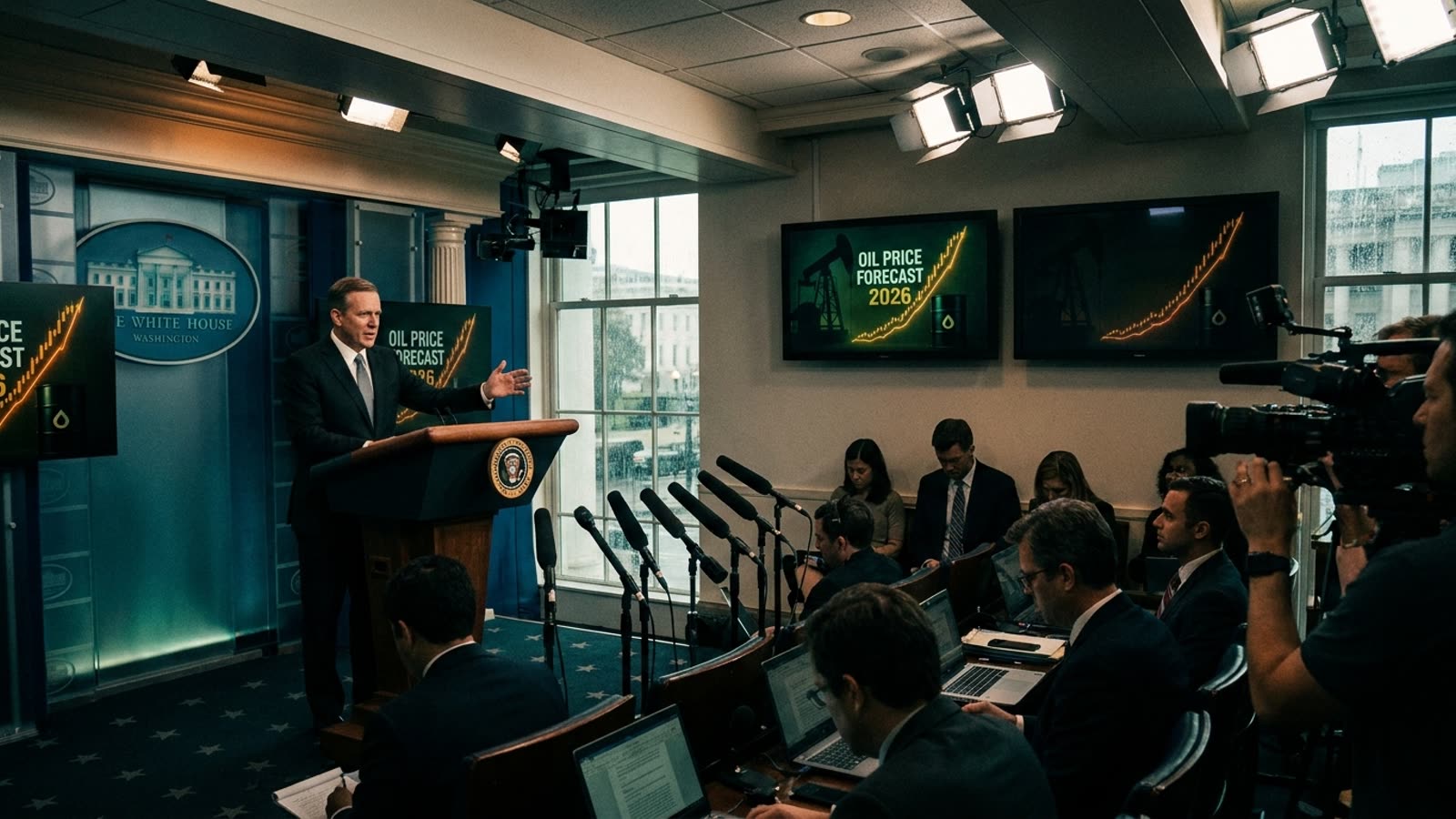
This White House has adopted something closer to indifference, treating inflation less as a problem to solve than as a talking point to neutralize. Press briefings have become exercises in subject-changing, with economic questions redirected to military updates with metronomic consistency. The message to voters appears to be: you cannot simultaneously support the troops and complain about grocery bills.
The political math
The strategy contains a bet about American attention spans and priorities. Wartime presidents historically receive latitude on domestic matters, and the administration is clearly banking on that dynamic. Rally-around-the-flag effects can be powerful, and nothing focuses the public mind quite like foreign conflict.
But the bet has limits. Inflation is visceral in a way that distant military operations are not. Voters experience it at the gas pump, the supermarket checkout, the rent payment. The Iran conflict, whatever its merits or necessity, remains an abstraction for most Americans. The price of eggs is not.
Moreover, the dismissive tone risks alienating voters who might otherwise support the administration's foreign policy. Telling struggling families that their economic concerns are secondary to geopolitical imperatives is a message that plays better in think tank seminars than in swing-state diners.
Historical echoes
The closest parallel may be the early 1970s, when the Nixon administration attempted to manage Vietnam-era inflation through price controls while maintaining that the war effort took precedence. That didn't end well for anyone involved. Inflation proved stubborn, the controls created distortions, and public trust eroded.
The current situation differs in important ways—the conflict is shorter, the economic fundamentals are different—but the political dynamics rhyme. Voters have limited patience for being told their lived experience is less important than Washington's strategic priorities.
Our take
There's something almost refreshing about an administration that drops the pretense of caring about problems it cannot or will not solve. But refreshing and wise are different things. The White House appears to have concluded that inflation messaging is a losing battle and decided not to fight it. That may prove tactically clever in the short term. But democracies have a way of punishing leaders who seem indifferent to economic pain, regardless of how compelling the foreign policy justification. The administration isn't wrong that the Iran conflict complicates economic management. It's wrong to think voters will accept that as an answer rather than an excuse.