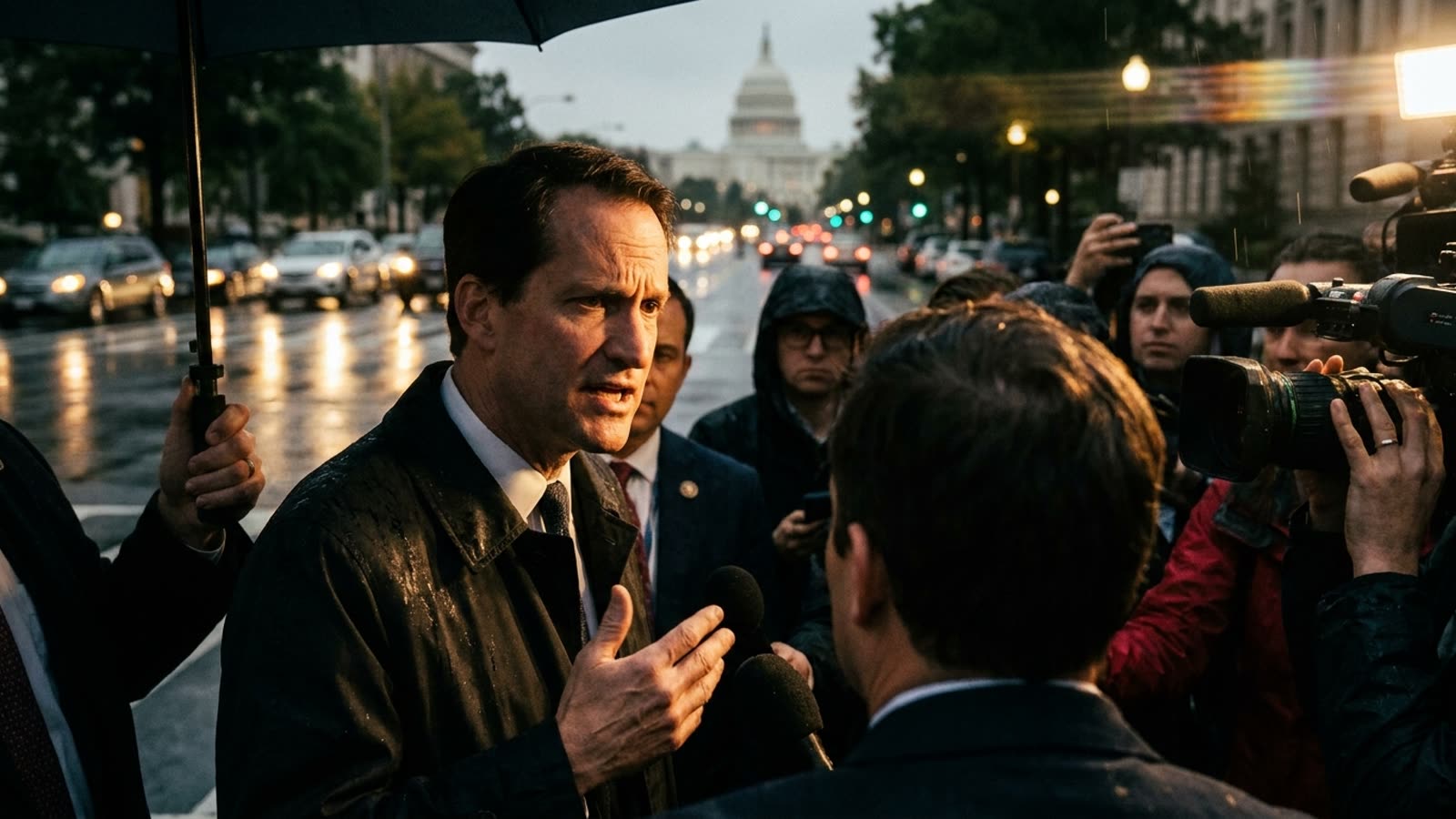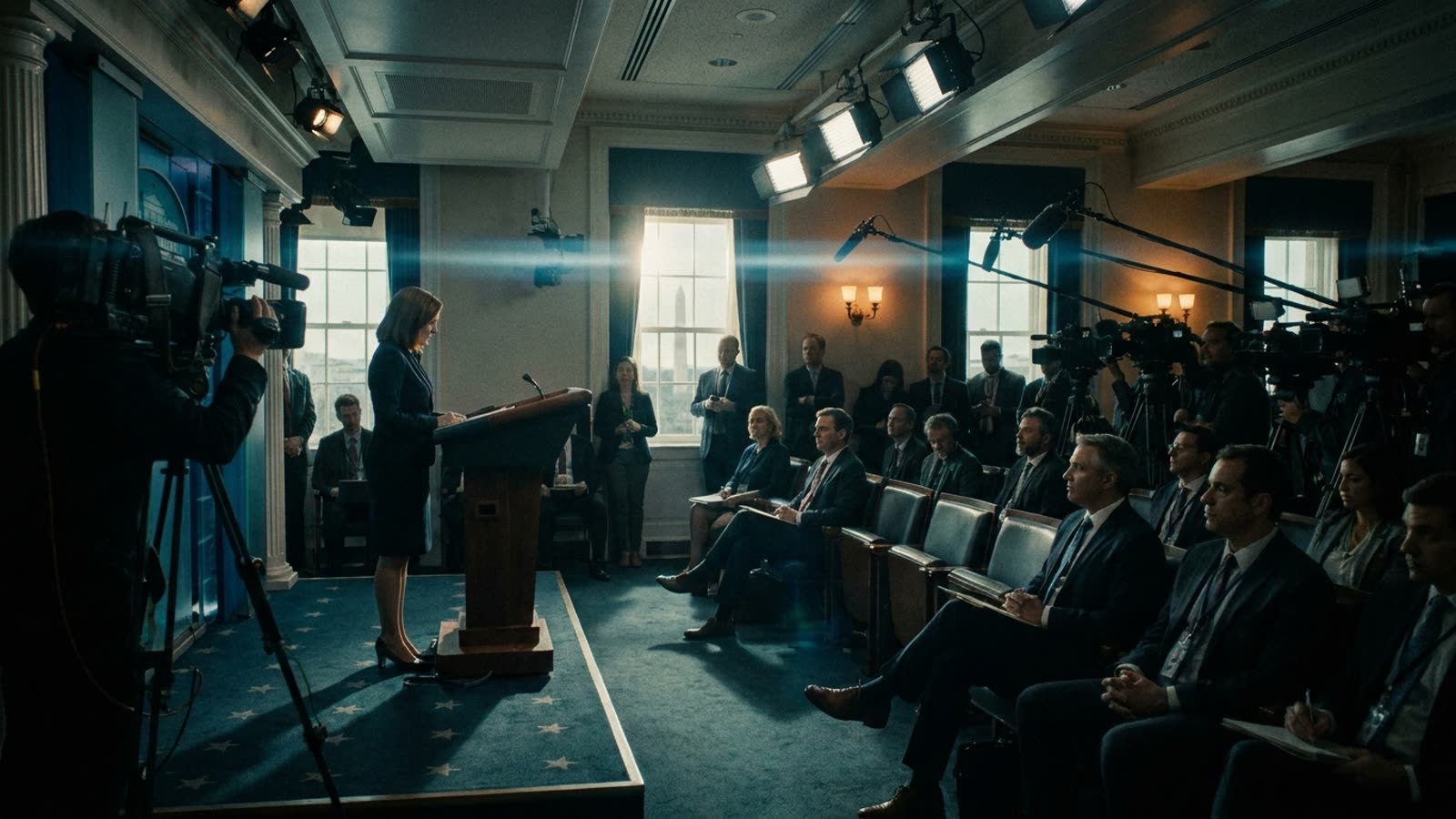
The Secret Service shot and killed a suspect who opened fire near the White House on Saturday, the second armed incident at the executive perimeter this week. The gunman, whose identity has not been released, exchanged multiple rounds with officers before being neutralized. No agents or bystanders were injured.
The confrontation unfolded in broad daylight, in one of the most surveilled and fortified patches of real estate on Earth. That it happened at all—and that it happened again, so soon after a separate checkpoint shooting earlier this week—suggests that the security architecture designed for a different era of threats is straining under new pressures.
The new normal
Political violence in America has been trending upward for years, but the concentration of incidents around the White House marks a qualitative shift. The executive mansion has always attracted disturbed individuals, but the frequency and lethality of recent approaches suggest something more systematic: a normalization of armed confrontation as a form of political expression.
The Secret Service, already stretched thin by a sprawling protective mission that includes the president's extended family and an expanding list of former officials, now faces the prospect of treating every perimeter approach as a potential firefight. The agency's budget has grown, but its mandate has grown faster.
The transparency paradox
American presidents have long balanced security with accessibility. The White House fence line sits closer to public space than any comparable executive residence in the developed world—a deliberate choice meant to symbolize democratic openness. That symbolism now carries a cost measured in ammunition.
The alternative—pushing the perimeter outward, restricting Pennsylvania Avenue further, turning the People's House into a fortress—would represent a capitulation to exactly the forces these attacks embody. But the current configuration may simply be untenable if armed incidents continue at this pace.
Institutional strain
The Secret Service has endured a difficult decade, marked by scandals, leadership turnover, and a series of embarrassing security failures. The agency has worked to rebuild its reputation, but repeated incidents test public confidence in ways that internal reforms cannot easily address. Each gunfight near the White House, regardless of outcome, represents a failure of the deterrence model that is supposed to prevent such confrontations from occurring at all.
Our take
Saturday's shooting will be processed through the usual channels: an investigation, a review, perhaps a congressional hearing. What it will not produce is a serious conversation about whether the American model of presidential accessibility remains viable in an age of stochastic political violence. The Secret Service did its job—the gunman is dead, no innocents were harmed. But "success" measured by body counts is a grim metric for a democracy that once prided itself on leaders who could walk among their constituents without fear.