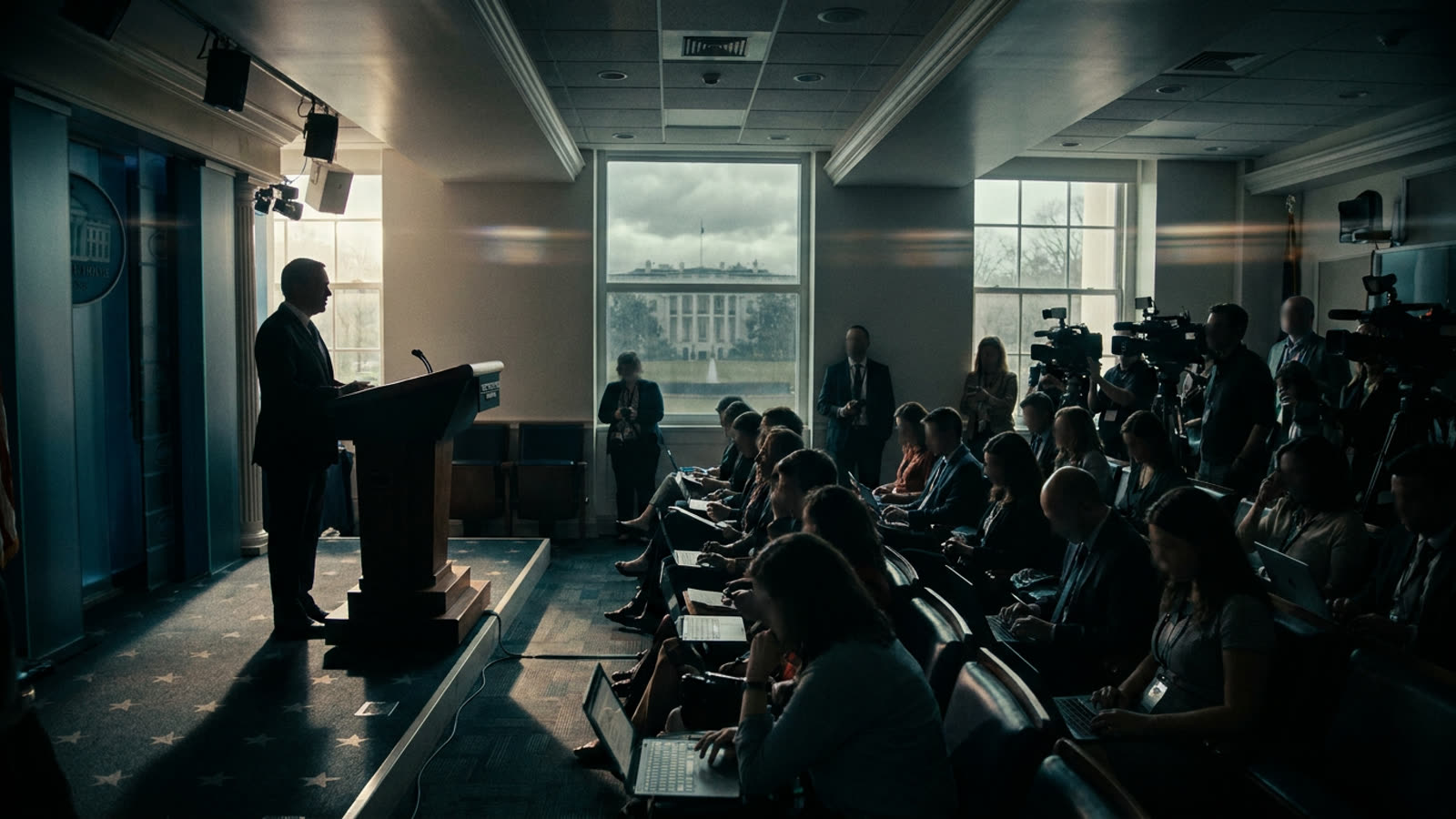
The Trump administration has initiated a formal White House review of the Commodity Futures Trading Commission's pending rulemaking on prediction markets, a procedural move that carries significant implications for the nascent industry's regulatory trajectory in the United States.
The review, conducted through the Office of Information and Regulatory Affairs, gives the executive branch direct input into how the CFTC will ultimately govern platforms like Kalshi and Polymarket—venues that have exploded in popularity by allowing users to wager on everything from Federal Reserve rate decisions to presidential election outcomes. The timing is notable: it arrives as the CFTC weighs whether to expand or restrict the types of event contracts that can trade legally on U.S. exchanges.
The stakes for event contracts
Prediction markets occupy an awkward regulatory space. They function like futures exchanges but trade contracts tied to real-world events rather than commodity prices or financial instruments. The CFTC has historically taken a cautious approach, blocking certain election-related contracts while permitting others tied to economic indicators. Kalshi's protracted legal battle to list congressional control contracts—which it ultimately won in court last year—illustrated just how contested this territory remains.
The White House review introduces a new variable. Under the Congressional Review Act and standard OIRA procedures, the administration can influence rulemaking outcomes, delay implementation, or signal policy preferences that agencies typically heed. President Trump has publicly endorsed the CFTC's authority over prediction markets, suggesting he favors a permissive framework that would let the agency—rather than state gambling regulators—serve as the primary overseer.
Why the administration cares
The political calculus is straightforward. Prediction markets generated enormous attention during the 2024 election cycle, with Polymarket's odds frequently cited by media outlets and even referenced by campaign operatives. A regulatory framework that legitimizes these platforms under federal commodity law would create a durable structure for political event trading, potentially worth billions in annual volume.
For the crypto industry, the implications extend further. Many prediction market platforms operate on blockchain infrastructure, and clearer CFTC jurisdiction could provide a template for how other decentralized applications might eventually find regulatory homes. The alternative—a patchwork of state gambling commissions—would fragment the market and likely push activity offshore.
Our take
This is regulatory capture dressed in deregulatory clothing. The administration's move to review CFTC rulemaking isn't about protecting consumers or ensuring market integrity—it's about ensuring that prediction markets, which proved politically useful in the last election cycle, remain accessible and federally sanctioned. The CFTC gets to expand its turf, platforms get regulatory clarity, and the White House gets to claim credit for innovation-friendly governance. Everyone wins except, perhaps, the state regulators who thought gambling oversight was their domain. The review will almost certainly result in broader CFTC authority and fewer restrictions on event contracts. Whether that's good policy depends entirely on whether you believe betting markets produce better forecasts than polls—a question the markets themselves would be happy to price.