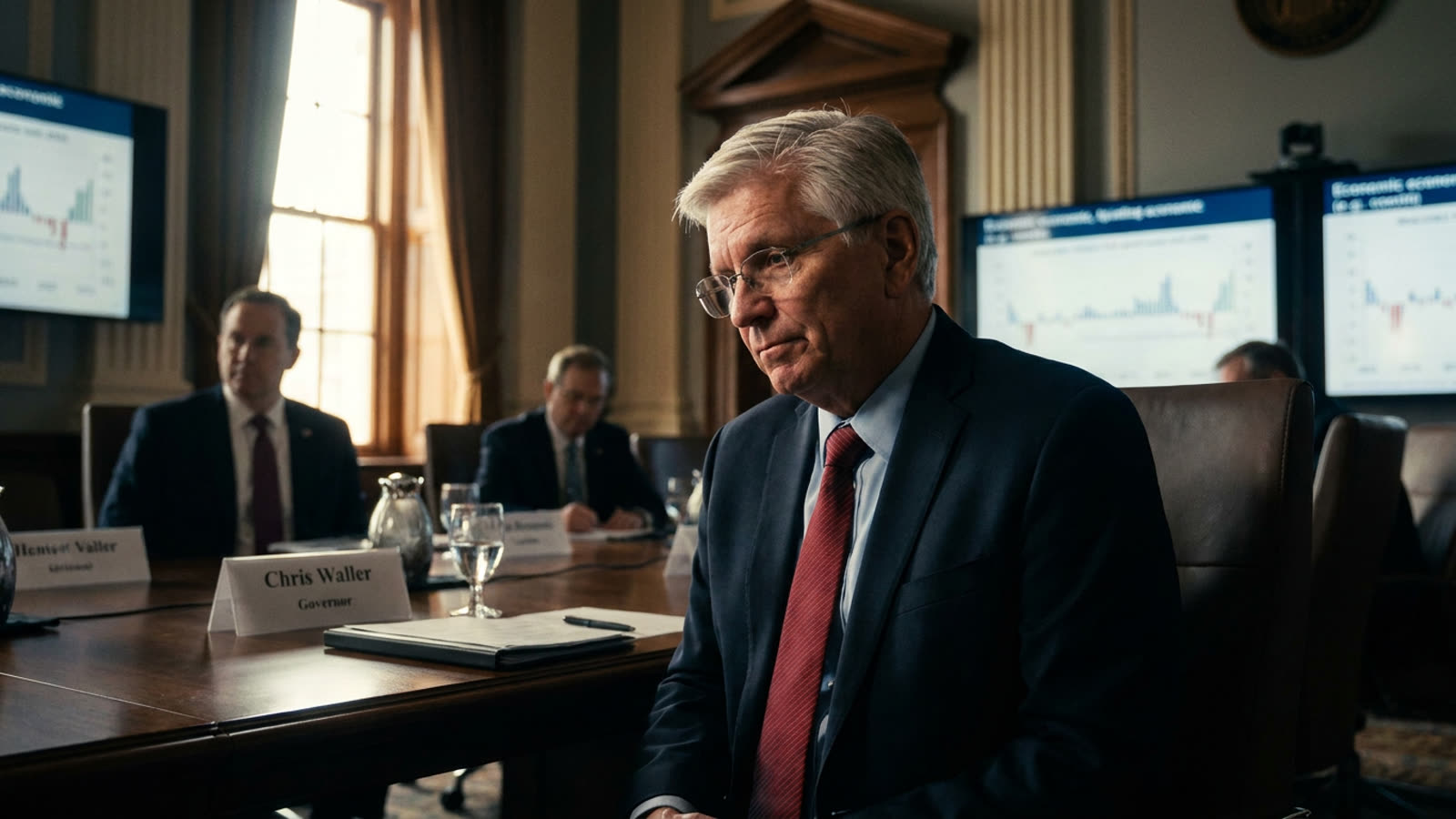
When a Federal Reserve governor tells markets he sees "even odds" between raising and cutting interest rates, he is not offering guidance. He is confessing confusion. Christopher Waller, long considered the Fed's most reliable hawk and a bellwether for the institution's thinking, made precisely that admission this week, and the implications for investors, borrowers, and anyone with a mortgage or a 401(k) are profound.
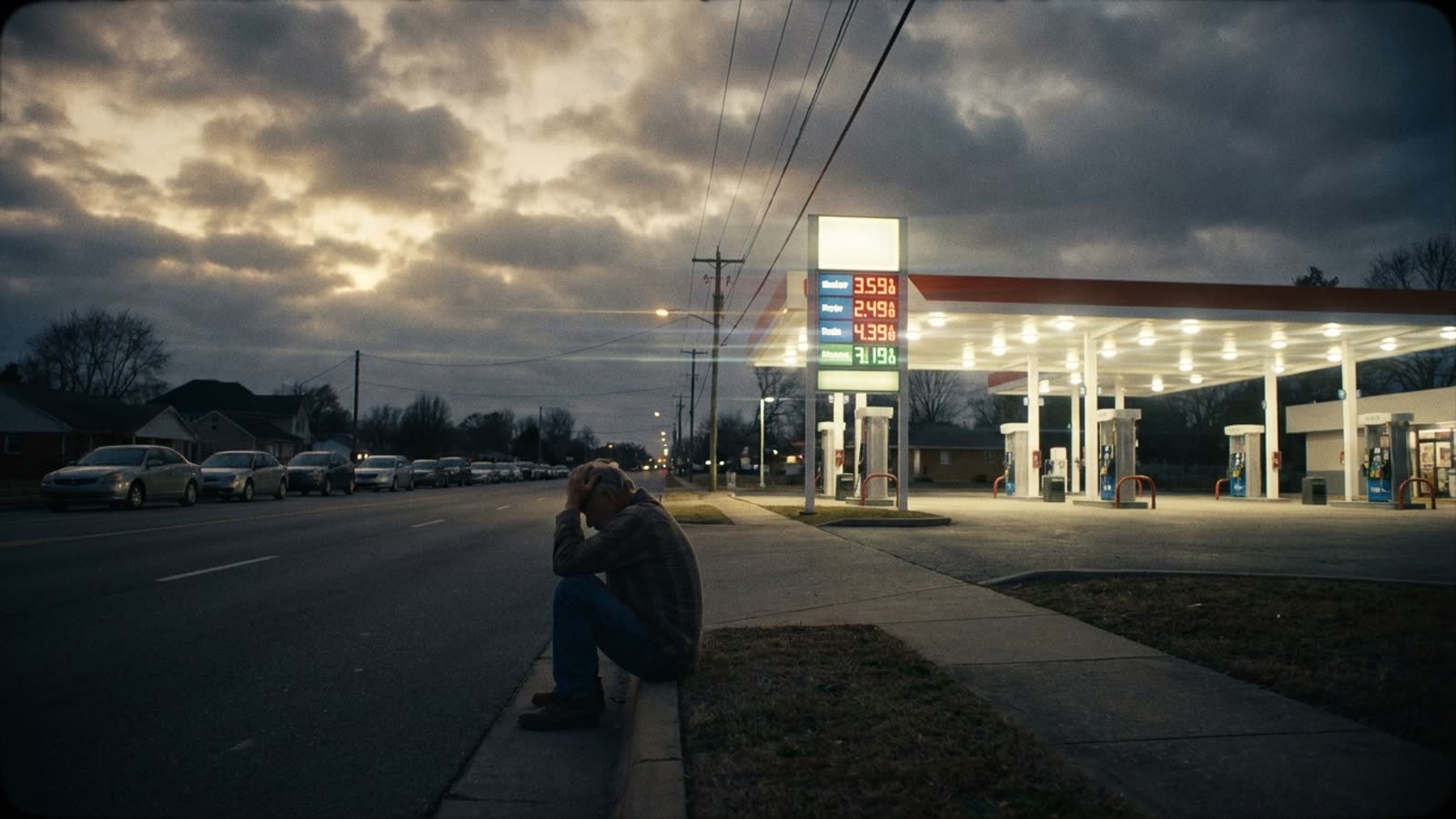
Waller's statement arrives at a peculiarly unstable moment. Kevin Warsh has just been sworn in as Fed Chair with a mandate to restore credibility after years of policy whiplash. Inflation, which the Fed spent 2023 and 2024 congratulating itself for taming, has proven stubbornly persistent in 2026, driven by energy costs and supply chain disruptions from the Iran standoff. Meanwhile, consumer sentiment has cratered to historic lows, and recession indicators are flashing yellow across multiple sectors.
The Hawk Who Lost His Talons
Waller built his reputation as the Fed's intellectual anchor for aggressive rate policy. When inflation surged in 2022, he was among the first to advocate for rapid hikes. When other governors wobbled, Waller held firm. His credibility rested on conviction—the markets could disagree with him, but they always knew where he stood.
That clarity has evaporated. A 50-50 assessment from Waller is not centrism; it is paralysis dressed as humility. The Fed's models, which struggled to predict post-pandemic inflation, appear equally useless in the current environment. Energy prices are hostage to geopolitical events the Fed cannot control. Consumer behavior has become erratic, with spending holding up even as confidence collapses. The traditional relationships between employment, inflation, and growth have become unreliable.
What Markets Are Pricing
Traders have responded to the uncertainty by betting that Warsh's Fed will ultimately choose hawkishness, pricing in a rate hike by December. This reflects less confidence in economic data than a read on personnel: Warsh has historically favored tighter policy, and his public statements suggest he views inflation as a more existential threat than recession. Trump's instruction to Warsh to "do his own thing" has been interpreted as permission to raise rates even if it triggers economic pain before the midterms.
But the December hike pricing may be premature. If consumer spending finally buckles under the weight of elevated gas prices and depleted pandemic savings, the Fed could find itself cutting rates into a stagflationary environment—the worst of all worlds, where inflation remains elevated even as growth contracts. Waller's even-odds framing suggests this scenario is not the tail risk markets assume.
Our take
The Fed spent a decade cultivating an image of omniscience, and the markets obligingly played along. Waller's admission punctures that illusion. Central bankers are not oracles; they are bureaucrats with imperfect models trying to steer an economy buffeted by forces—war, pandemic aftershocks, political dysfunction—that no interest rate adjustment can fix. Investors would be wise to stop treating Fed guidance as scripture and start building portfolios that can survive genuine uncertainty. The adults in the room just admitted they are guessing too.