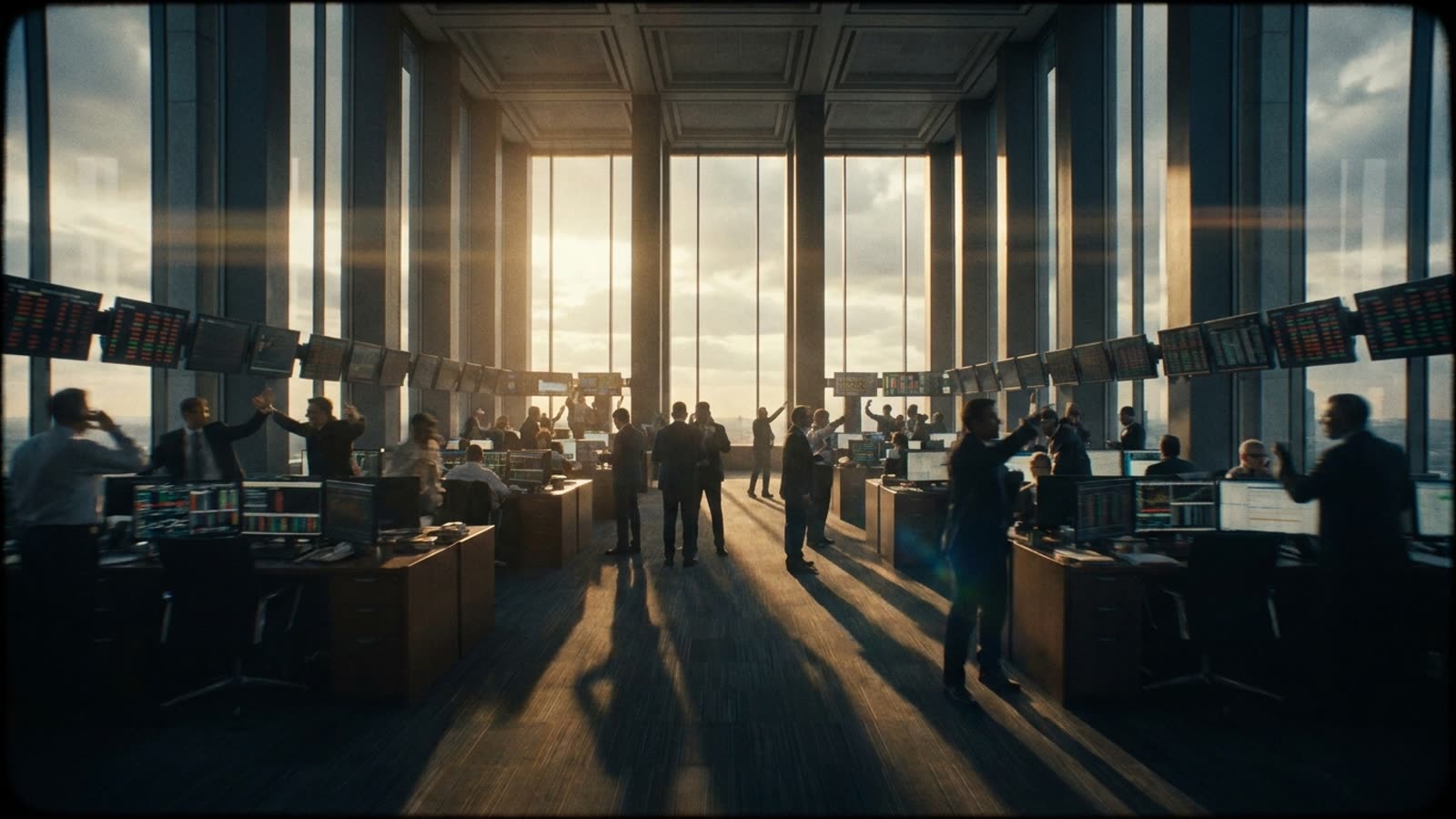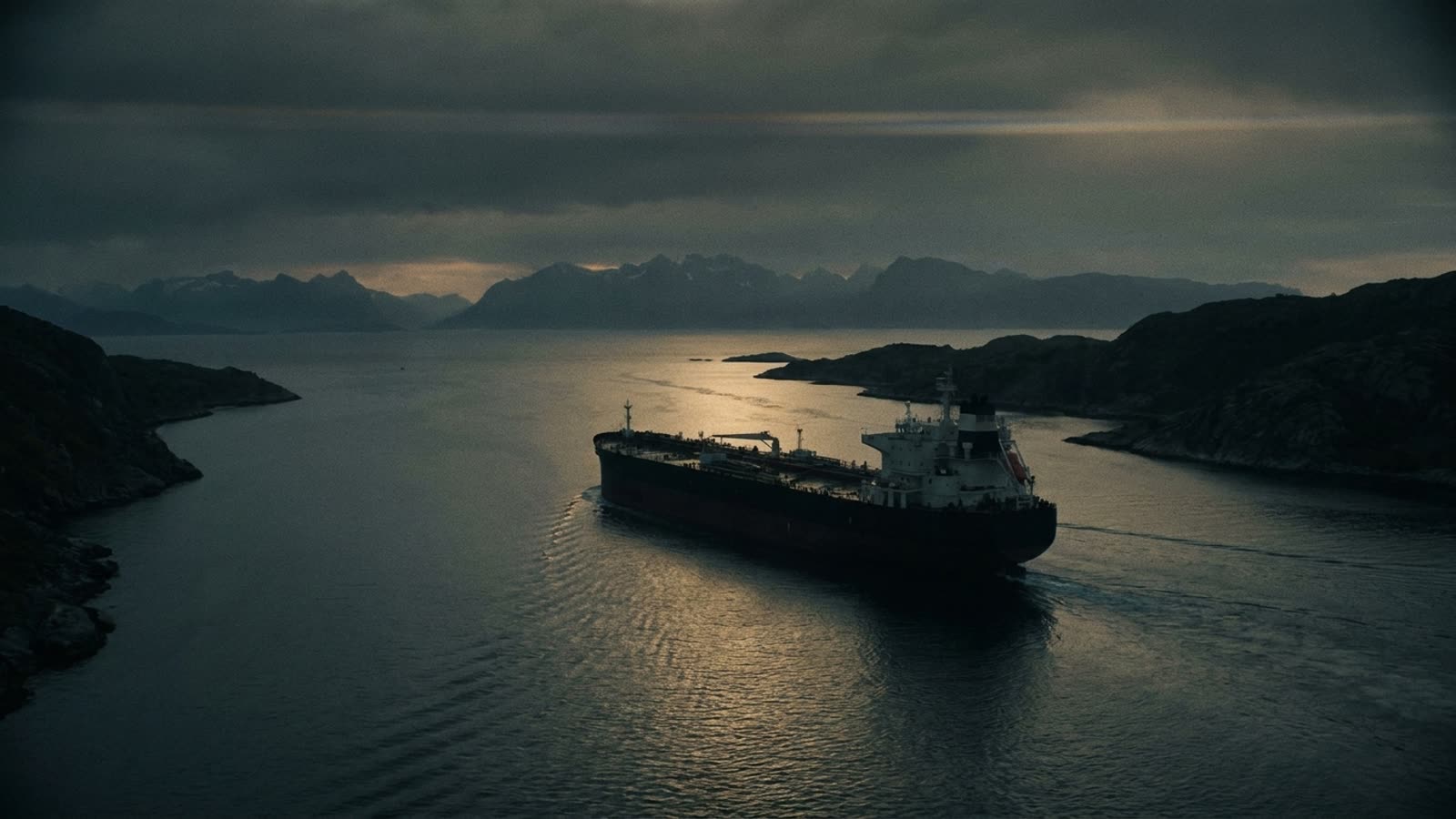
The Strait of Hormuz remains effectively closed for the fifth consecutive day, yet Wall Street rallied on Thursday as if the world's most important oil chokepoint were a minor inconvenience. The S&P 500 gained 1.2 percent, the Nasdaq climbed higher, and Brent crude actually fell 0.8 percent intraday before settling roughly flat. The disconnect between geopolitical reality and market behavior has rarely been starker.
Traders appear to be pricing in a diplomatic resolution within days — perhaps hours. The logic runs as follows: neither Iran nor the United States wants a full-scale war; both sides have back-channel incentives to de-escalate; tanker insurance premiums, while elevated, have not yet hit the catastrophic levels seen during the 1980s tanker war. Therefore, the blockade is theater, not policy.
The optimism is historically illiterate
The Strait handles roughly 20 percent of global petroleum liquids. Even a partial disruption for two weeks would drain strategic reserves faster than governments care to admit. The 1973 Arab oil embargo, which involved far less physical obstruction, triggered a quadrupling of crude prices and a recession across the industrialized world. Today's global economy is more diversified in its energy sources — but also more leveraged, more algorithmic, and more prone to cascading margin calls.
The current market posture assumes rational actors on both sides. Yet the past month has demonstrated that neither Washington nor Tehran is operating from a conventional playbook. President Trump's rhetorical escalation has outpaced his own Pentagon's operational readiness; Iran's Revolutionary Guard has made clear it views the Strait as existential leverage, not a bargaining chip.
What the bond market is saying
Treasury yields tell a more cautious story. The 10-year note fell six basis points on Thursday, suggesting fixed-income investors are hedging against a flight-to-safety scenario that equity traders are ignoring. Gold touched a three-month high before retreating. The divergence between risk assets and haven assets is a classic pre-crisis signal — not a guarantee of disaster, but a warning that someone is wrong.
Meanwhile, energy-intensive sectors are quietly repositioning. Airlines have begun hedging fuel costs at elevated strike prices. Shipping conglomerates are rerouting vessels around the Cape of Good Hope, adding two weeks and significant expense to Asia-Europe routes. These are not the actions of industries convinced the crisis will evaporate.
Our take
Markets are not irrational; they are probabilistic. The current pricing implies a 70-to-80 percent chance of near-term resolution and a 20-to-30 percent chance of prolonged disruption. That may be a reasonable estimate. But the asymmetry of outcomes matters: if the optimists are right, equities gain a few more percent; if they are wrong, the correction will be swift and brutal. Betting on diplomatic competence in the Middle East has never been a high-Sharpe-ratio trade.