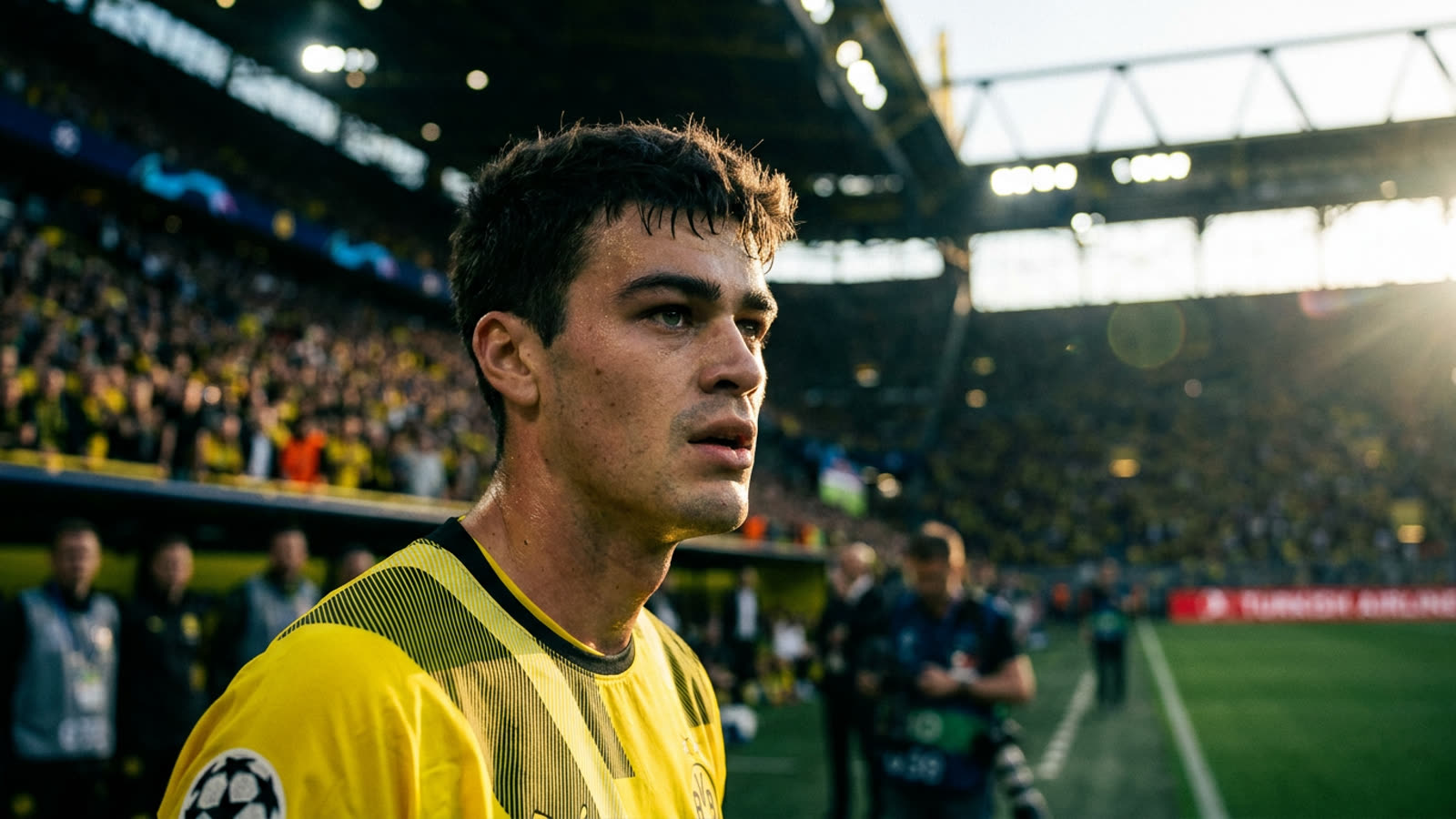
The United States men's national team will enter its home World Cup with Gio Reyna on the roster, according to sources familiar with the selection process. It is the most significant—and most fraught—personnel decision Gregg Berhalter has made since returning to the job he once lost partly because of the Reyna family itself.
The 23-year-old Borussia Dortmund midfielder has been the American player most likely to appear on both a highlight reel and a controversy timeline for the better part of four years. His skill has never been in question; his durability, attitude, and relationship with the coaching staff have been. By including him now, Berhalter is making a calculated wager that the upside outweighs the baggage—and that a World Cup on American soil is too big a stage to leave your most technically gifted attacker at home.
The talent case
Reyna remains, on pure ability, one of the few American players who can unlock a low block with a single pass. His vision, first touch, and willingness to receive the ball in tight spaces distinguish him from the team's other attacking options. Christian Pulisic is the better finisher; Weston McKennie the better engine. But Reyna is the closest thing the U.S. has to a player who can make something from nothing in the final third. In a tournament where the Americans will face opponents content to sit deep and counter, that quality matters.
The risk profile
The history is well-documented. Reyna's father, Claudio, clashed publicly with Berhalter after the 2022 World Cup, leading to an ugly episode that nearly ended the coach's tenure. Gio himself has battled injuries that have limited his Bundesliga minutes and raised questions about his match fitness. There is also the matter of chemistry: several players in the current pool have forged bonds through qualifying cycles and friendlies that Reyna, often absent, has not been part of. Inserting him into a World Cup environment is not without social cost.
Berhalter's gamble
The decision reflects a broader philosophy that Berhalter has articulated in recent months: the World Cup is not a reward for past service but a tournament to be won. If that means tolerating awkwardness in the locker room for the chance to have a game-breaker on the bench—or in the starting eleven—so be it. The Americans are not deep enough in creative talent to afford sentimentality.
Our take
Berhalter is right to include Reyna, and he would have been right to leave him out. The margins are that thin. What matters now is how the coach deploys him. Reyna is not a 90-minute player in his current form, nor is he a leader. He is a weapon—best used in specific situations, against specific opponents, when the game needs unlocking. If Berhalter treats him as such, the gamble could pay off. If he overplays the hand, the dysfunction that nearly sank this program once could resurface at the worst possible moment. The World Cup is six weeks away. The U.S. has made its choice. Now it has to live with it.