Most players who debut at 28 have already accepted that the dream is over. Leandro Torres refused to get the memo.
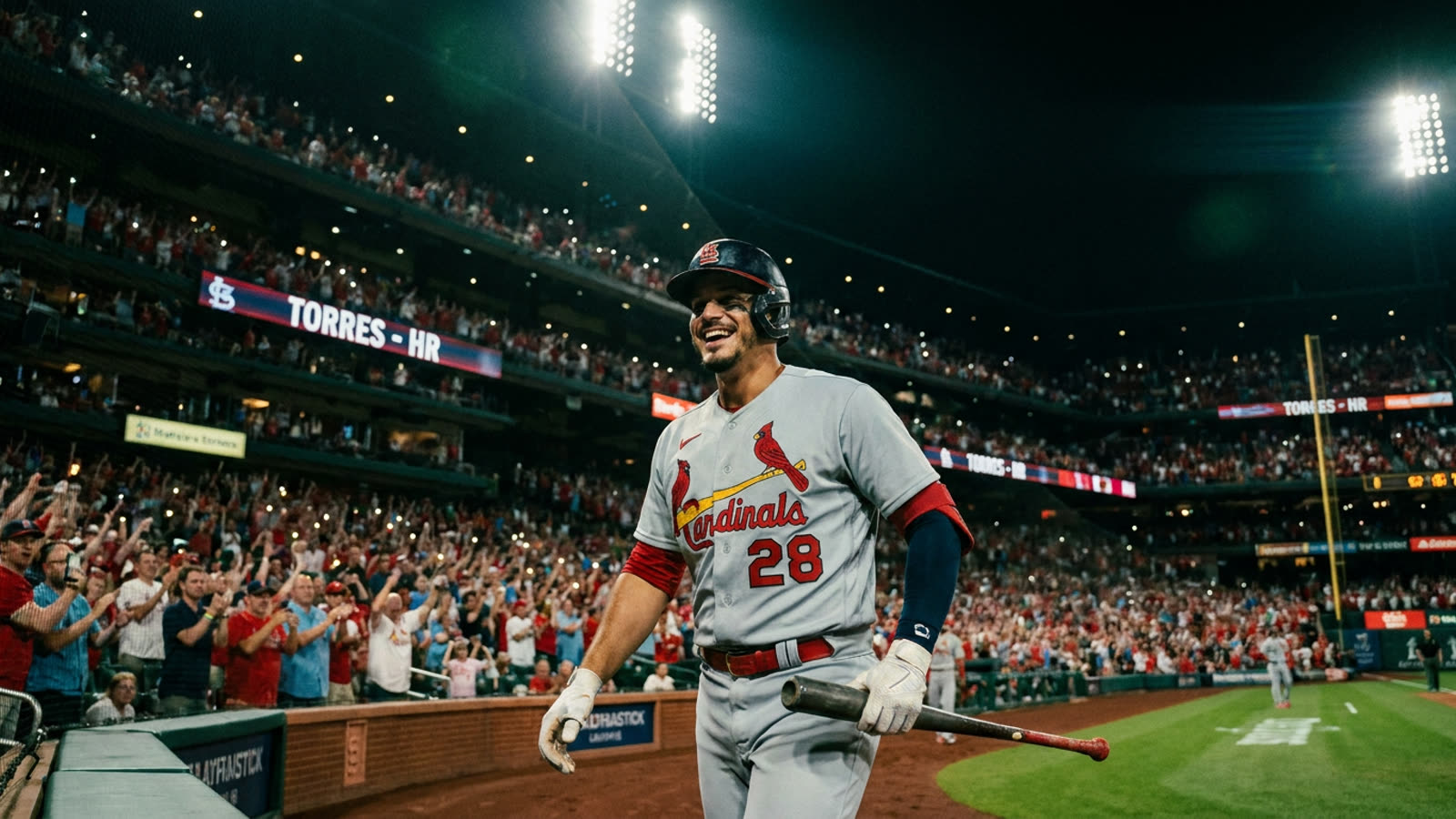
The St. Louis Cardinals outfielder homered in his first Major League at-bat on Thursday night, a moment that would be remarkable for any rookie but carries a different weight when the rookie has spent the better part of a decade riding buses through the minor leagues while teammates half a generation younger leapfrogged him to The Show. Torres's blast—a no-doubt shot to left-center off a hanging slider—was the statistical anomaly that only happens a few times a season. The tears in the dugout afterward told the more important story.
The long road through the system
Torres was a 19th-round pick in 2018, the kind of organizational depth piece that front offices sign knowing the odds are vanishingly small. He hit well enough at every level to avoid release but never posted the eye-popping numbers that force a promotion. He was, by every metric, a fringe prospect—the sort of player who becomes a career minor leaguer or quietly transitions to coaching. Instead, he kept showing up to spring training, kept grinding through the Southern League summers and the Arizona Fall League showcases, kept betting on himself when the house odds said fold.
The Cardinals called him up this week after an injury opened a roster spot. Torres had been hitting .312 with 11 home runs at Triple-A Memphis, numbers good enough to earn a look but not good enough to guarantee one. When his name appeared on the lineup card Thursday, he reportedly sat in front of his locker for twenty minutes before putting on his jersey.
Why debut homers resonate
Baseball romanticizes the debut dinger because it collapses years of preparation into a single swing. The statistical reality is that most first at-bats end in outs—nerves, unfamiliar pitchers, the sheer overwhelming strangeness of standing in a major league batter's box all conspire against success. To not only make contact but drive the ball over the fence requires either extraordinary luck or the kind of composure that comes from having already survived every other pressure the sport can manufacture.
Torres, by all accounts, falls into the latter category. His minor league managers describe a player who treated every at-bat in half-empty stadiums like it was October. That discipline doesn't guarantee success at the highest level—plenty of career minor leaguers share the same work ethic—but it does explain how someone can step into Busch Stadium for the first time and look like he belongs.
Our take
The cynical read is that Torres is a feel-good story who will be back in Memphis within a month. Maybe. But baseball's appeal has always rested on the possibility that persistence can occasionally defeat probability, that the 19th-round pick can become something more than a footnote. Torres's home run changes nothing about roster construction or playoff races. It changes everything about what one player proved to himself after eight years of being told, implicitly and explicitly, that he wasn't quite good enough. Sometimes the game still rewards the people who refuse to stop believing in it.