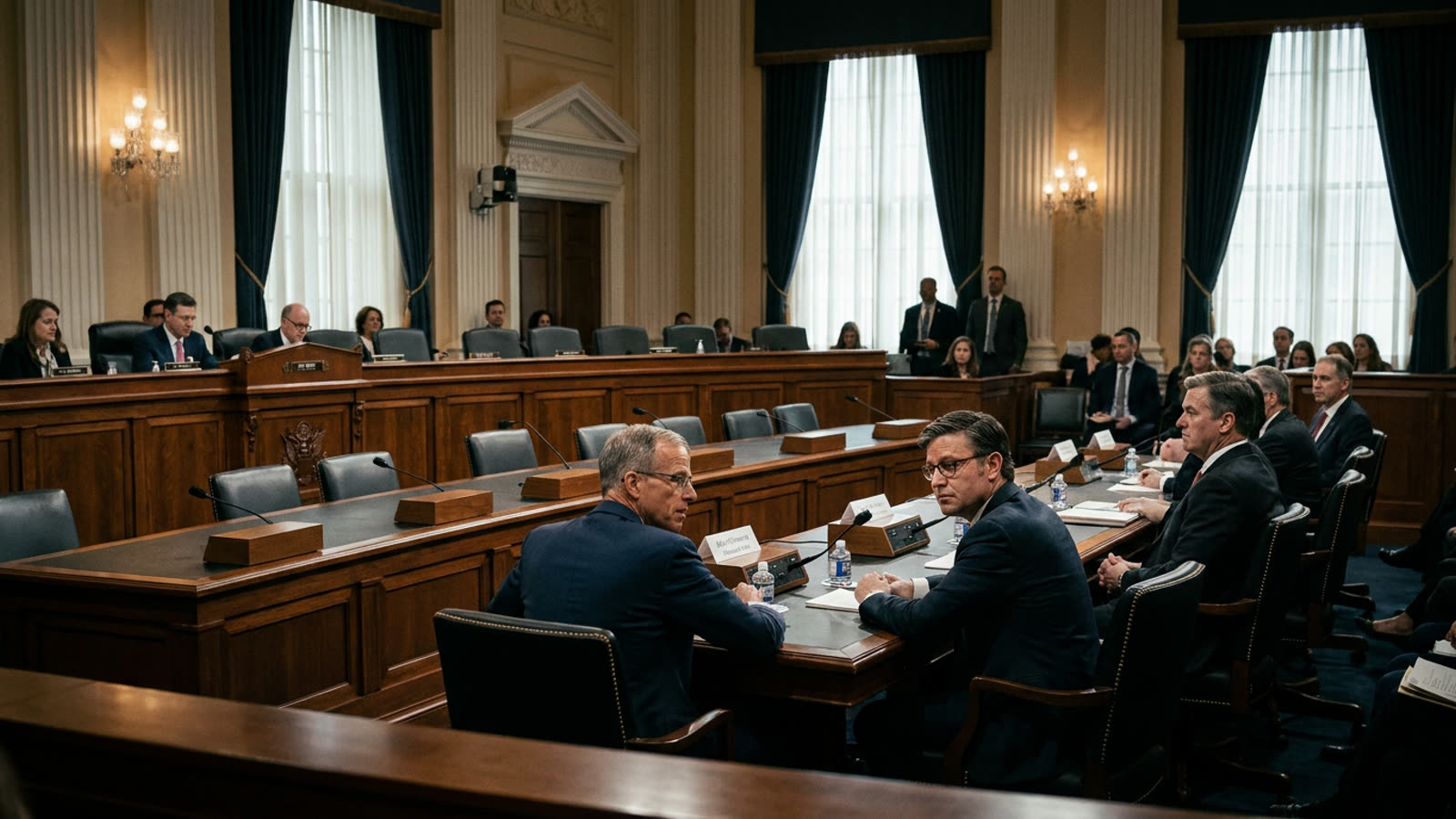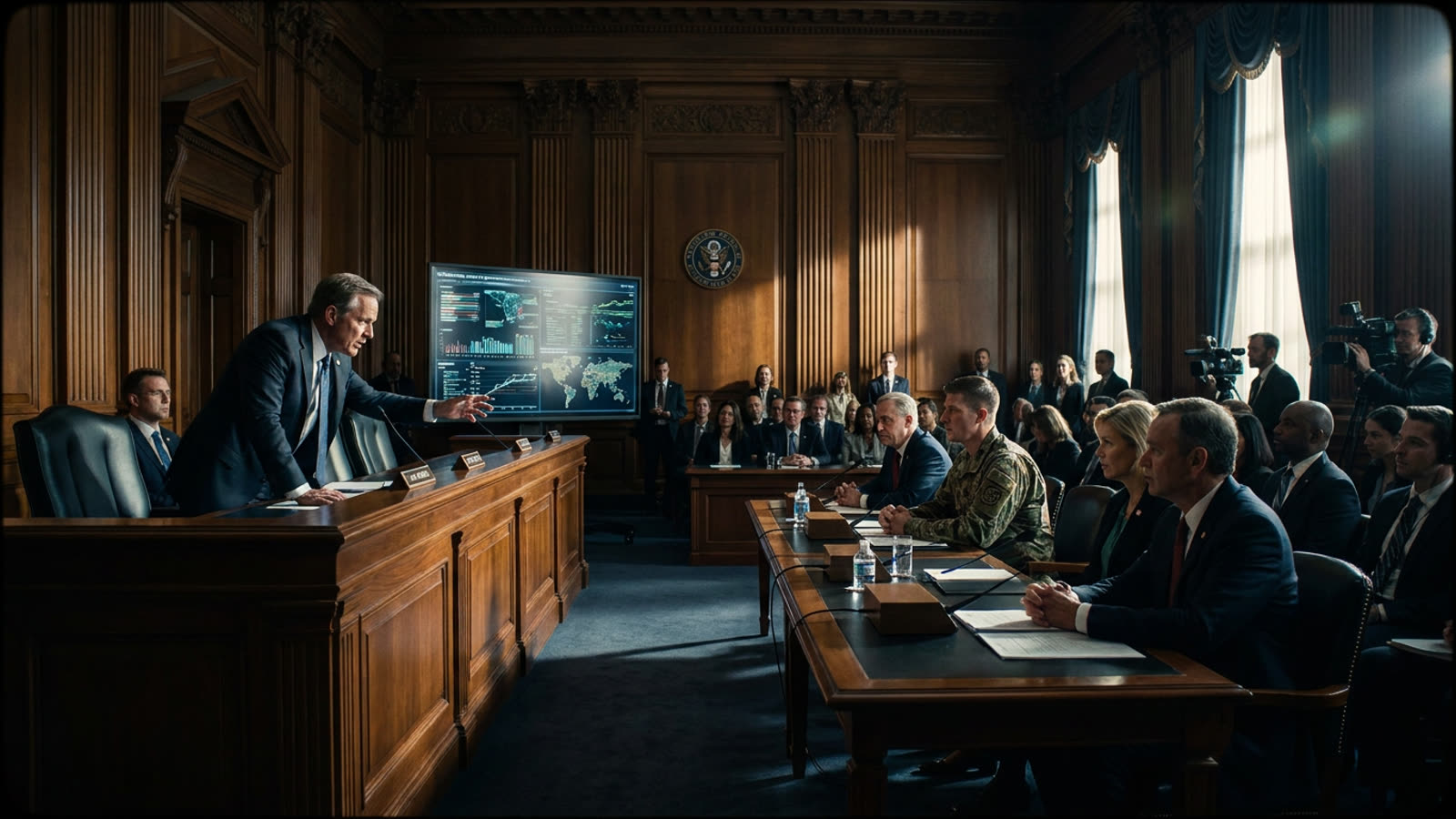
The United States spends more than $800 billion annually on defense, yet its servicemembers can be located by anyone with a credit card and access to the data-broker ecosystem. That absurdity is now a matter of official record: a Senate investigation has confirmed that foreign actors have used commercially purchased advertising data to pinpoint the movements of American troops, and Senator Ron Wyden is calling the digital advertising industry a "national security threat."
The revelation is not, strictly speaking, new. Researchers and journalists have demonstrated for years that the torrent of location pings generated by smartphone apps—weather widgets, games, prayer-reminder tools—flows into a loosely regulated marketplace where it can be bought in bulk. What is new is the Pentagon's admission that this data has been operationalized against its own personnel, and that the government has done remarkably little to stop it.
A market designed to leak
The architecture of programmatic advertising treats granular location data as a commodity. Every time a phone checks in with an ad exchange, it broadcasts coordinates precise enough to identify a bedroom, a forward operating base, or the route a convoy takes between them. Brokers aggregate these signals and sell them to marketers—and to anyone else willing to pay. The legal framework governing such sales is permissive to the point of negligence; most privacy statutes focus on named individuals, not on the anonymous device IDs that can be trivially re-identified with a little cross-referencing.
For adversaries, the value proposition is obvious. A dataset showing which devices cluster nightly at a known military installation, then disperse to off-base housing, offers a ready-made target list. Combine that with social-media scraping and you can attach names, faces, and family members to each blip on the map.
Why Washington has stalled
The ad-tech lobby is formidable, and lawmakers have been reluctant to impose restrictions that might disrupt a multi-hundred-billion-dollar industry. Meanwhile, US intelligence agencies have themselves relied on commercial data purchases for surveillance purposes, creating an awkward incentive to keep the spigot open. The result is a policy stalemate in which everyone acknowledges the risk and no one legislates a fix.
Wyden's framing of the industry as a national-security threat is an attempt to shift the Overton window. By casting data brokers not as privacy nuisances but as enablers of foreign targeting, he hopes to recruit defense hawks who might otherwise shrug at consumer-protection arguments.
Our take
The senator is right, if late. The advertising ecosystem was never designed with operational security in mind, and retrofitting it will be painful. But the alternative—leaving American troops exposed to location tracking that any well-funded adversary can purchase—is indefensible. Congress should mandate opt-in consent for precise location sharing, require brokers to screen buyers, and give the Pentagon authority to designate sensitive geofences where commercial data collection is flatly prohibited. The ad industry will howl. Let it.