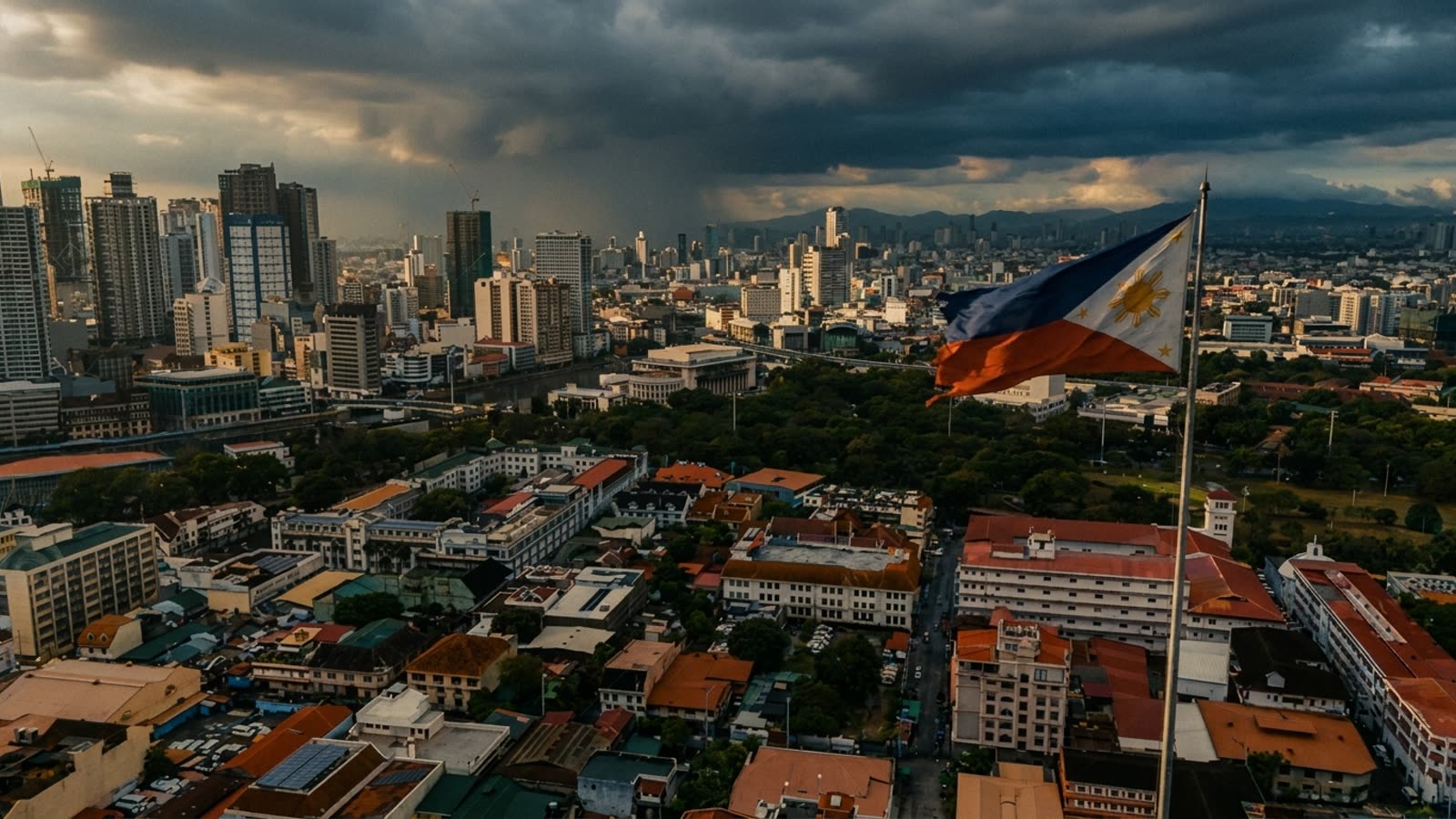
The South China Sea dispute has entered a more dangerous chapter. China's coast guard and maritime militia have escalated patrols around Scarborough Shoal, the contested reef that sits roughly 120 nautical miles from the Philippine coast and some 550 miles from the nearest Chinese landmass. Manila has responded with warnings of a growing threat to its territorial integrity, but warnings are not policy, and policy is precisely what the Philippines lacks.
The timing is instructive. Washington's attention is fractured across multiple theaters—Ukraine's grinding war, a volatile Middle East, and domestic political turbulence ahead of the 2026 midterms. Beijing appears to be exploiting the moment, incrementally expanding its operational presence in waters it claims under the legally dubious "nine-dash line," which an international tribunal rejected in 2016. China has never accepted that ruling, and its behavior suggests it never will.
The Shoal's strategic value
Scarborough is not merely symbolic. The reef sits astride rich fishing grounds that Filipino communities have worked for generations. More critically, it occupies a position that, if militarized, would extend China's ability to project power deeper into the Philippine exclusive economic zone and complicate American naval operations in the region. Beijing has not constructed permanent structures on Scarborough as it has on other features in the Spratlys, but the intensified patrols suggest a strategy of de facto control without the diplomatic cost of outright construction—at least for now.
Manila's constrained playbook
President Ferdinand Marcos Jr. has pursued a more confrontational posture toward Beijing than his predecessor, strengthening defense ties with the United States and granting American forces expanded access to Philippine bases. Yet the Mutual Defense Treaty's application to contested features remains ambiguous, and Filipino officials cannot be certain that Washington would intervene militarily over a reef. The asymmetry is stark: China can sustain pressure indefinitely with coast guard vessels and fishing fleets, while the Philippines must calibrate every response against the risk of escalation it cannot afford.
Our take
Beijing is playing a long game, and it is winning. The incremental approach—more patrols today, perhaps a weather station tomorrow—is designed to establish facts on the water without triggering the kind of crisis that would force an American response. Manila's best leverage remains its alliance with Washington, but alliances require attention, and American attention is a scarce commodity in 2026. The Philippines may soon face a choice between accommodation and a confrontation it is not equipped to sustain alone.