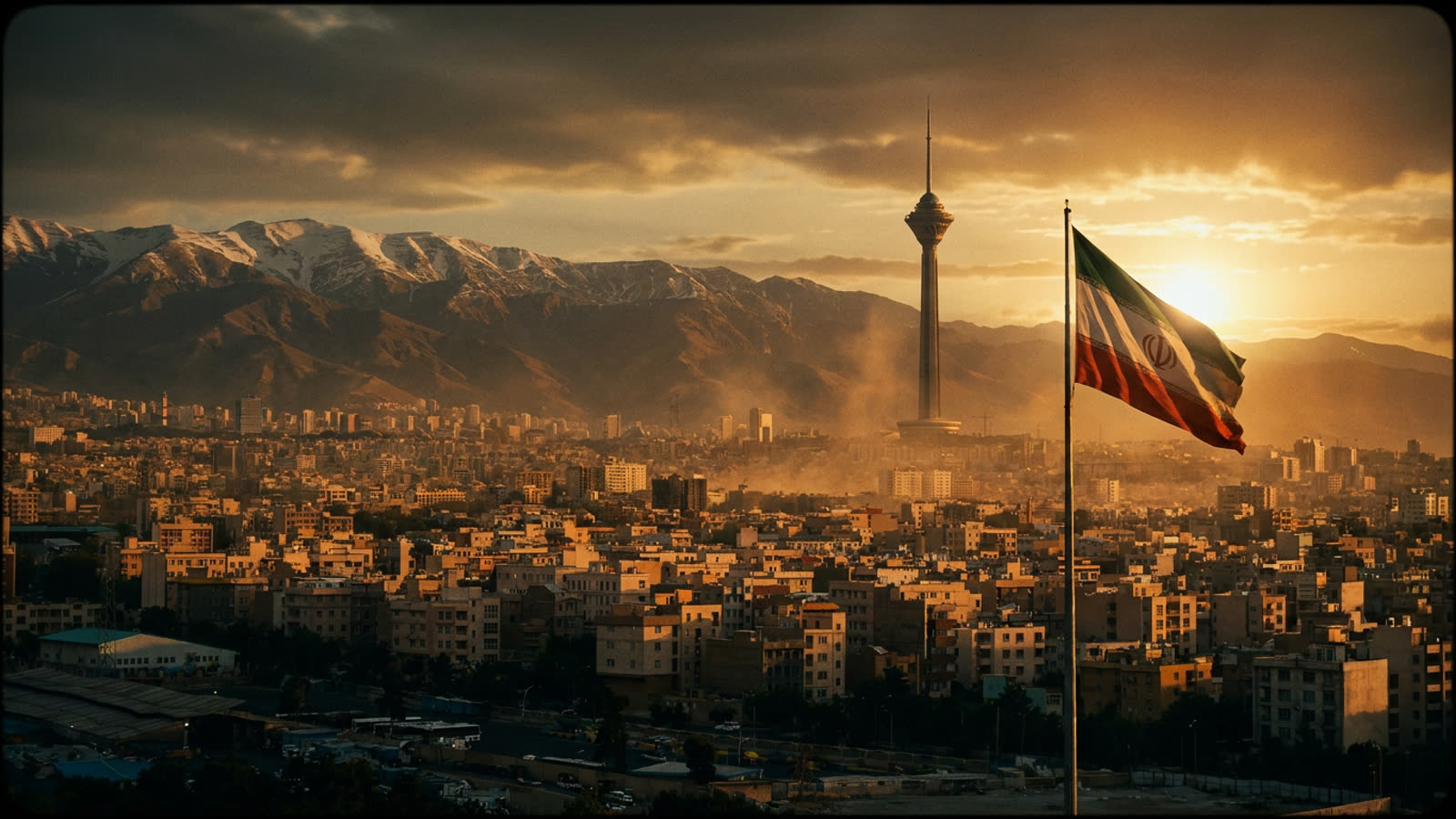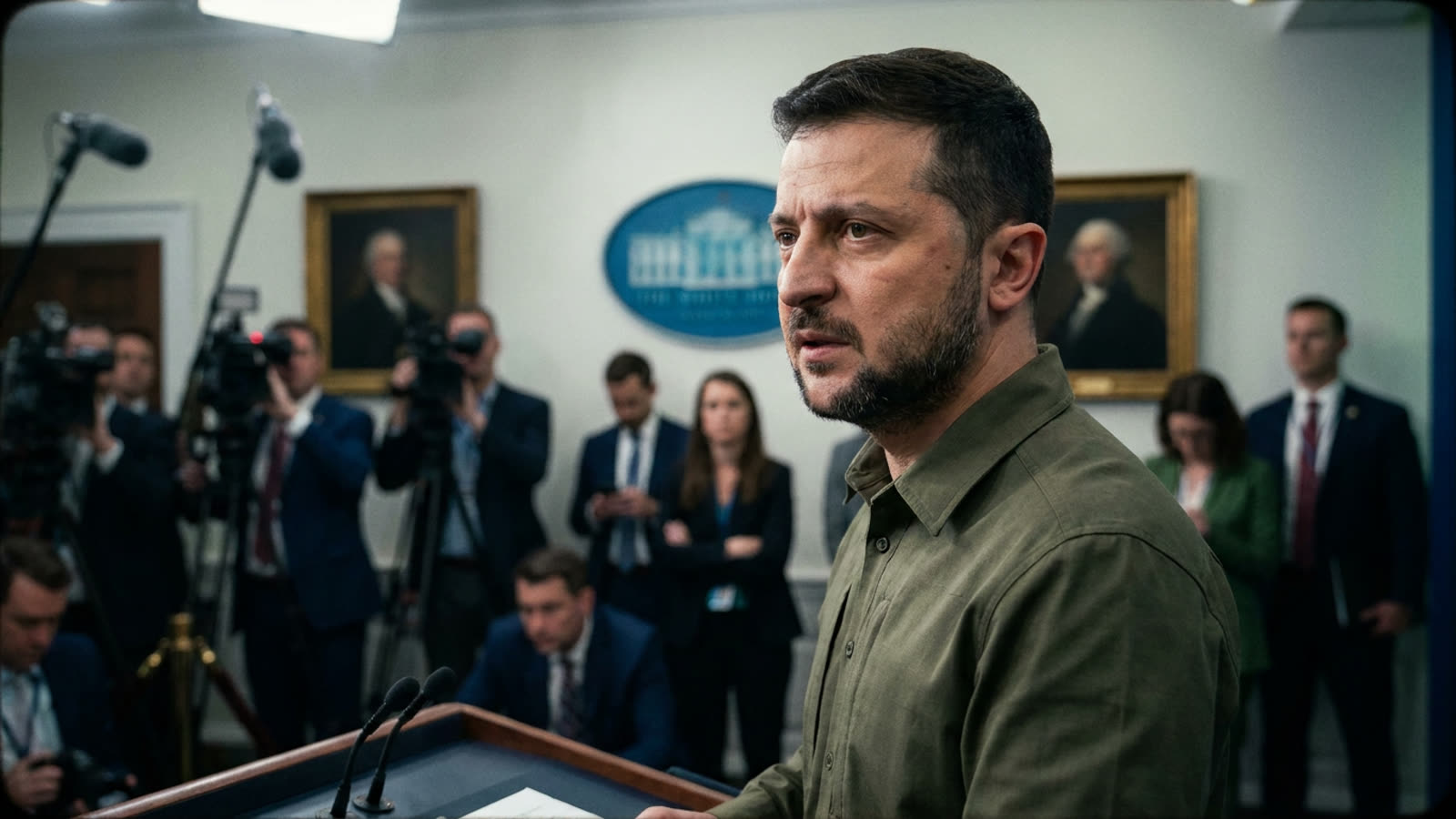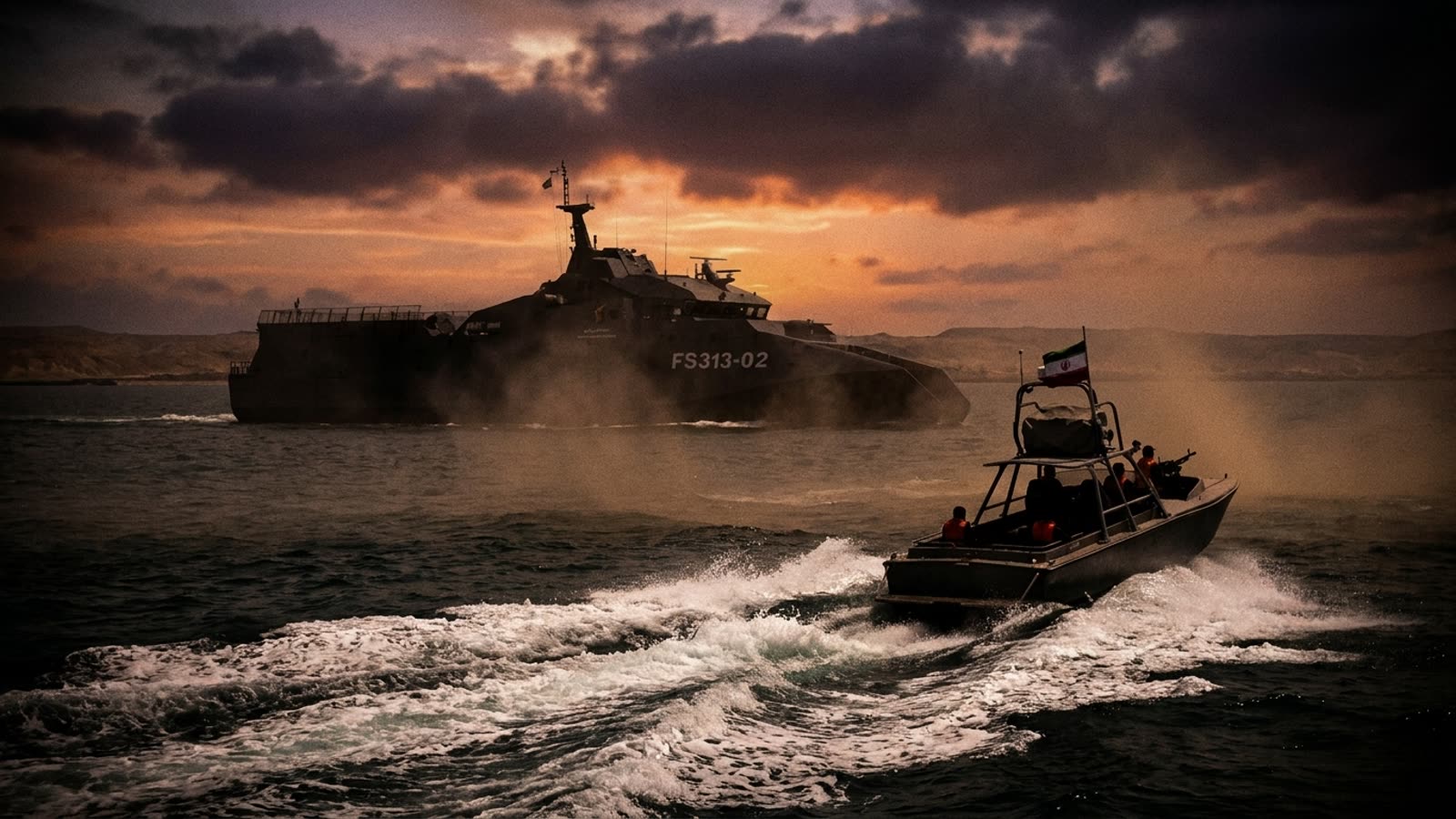
The ceasefire between Washington and Tehran lasted roughly as long as a news cycle. Within hours of both governments affirming their commitment to de-escalation, Iran's Revolutionary Guards claimed responsibility for strikes on a US airbase, and American forces responded with operations around the Strait of Hormuz. The pattern is now familiar: announce restraint, then test its limits.
What we are witnessing is not a ceasefire in any meaningful diplomatic sense. It is a mutually agreed pause button, pressed and released at will, allowing both capitals to claim they sought peace while preparing for the next round.
The Hormuz calculation
The geography matters. The Strait of Hormuz remains the world's most consequential chokepoint for oil transit, and any sustained conflict there would send energy prices into chaos. Both sides understand this, which is precisely why they keep poking at it. For Tehran, demonstrating the capacity to threaten Hormuz is leverage; for Washington, showing willingness to operate there is deterrence. The ceasefire exists not to prevent these maneuvers but to contain them below the threshold of full escalation.
Iran's decision to target a US airbase—even symbolically—signals that the Revolutionary Guards retain operational independence from whatever diplomatic track Foreign Minister Araghchi is pursuing. The guards answer to Supreme Leader Khamenei, not to negotiators, and their institutional interest lies in perpetual tension with America.
The frozen funds question
Tehran has made clear what it wants from any broader deal: the return of billions in frozen assets held abroad, funds that have accumulated under successive sanctions regimes. The Trump administration, which reimposed many of those sanctions during its first term, now faces the awkward arithmetic of whether releasing Iranian money constitutes dealmaking or capitulation.
The White House has offered little clarity. Trump's recent comments on Iran have included false claims about the conflict's origins and trajectory, muddying the administration's actual negotiating position. Whether this is strategic ambiguity or simple incoherence depends on one's generosity toward the president's foreign-policy instincts.
Our take
Ceasefires that neither side intends to honor serve a purpose: they buy time and shift blame. Tehran gets to claim American aggression broke the truce; Washington gets to say Iranian proxies never stopped fighting. Both narratives are partially true, which means neither government has any incentive to pursue a durable settlement. The Strait of Hormuz will remain a slow-motion flashpoint, too dangerous to ignore and too useful to resolve. Expect more announcements of peace, followed by more explosions.