The U.S. economy added jobs at a pace that would have seemed implausible six months ago, posting its third straight month of robust employment gains and effectively ending any near-term hope of Federal Reserve rate cuts. The resilience is remarkable, but it comes with a cost: borrowing costs are now likely to rise further, and financial markets are recalibrating accordingly.
The labor market's refusal to buckle under the weight of elevated interest rates presents a genuine puzzle for monetary policymakers. The Fed spent much of 2024 and early 2025 signaling that its tightening cycle was complete, only to watch inflation reaccelerate and employment surge. The central bank now faces a credibility problem of its own making—having declared victory prematurely, it must now resume hostilities.
The numbers that matter
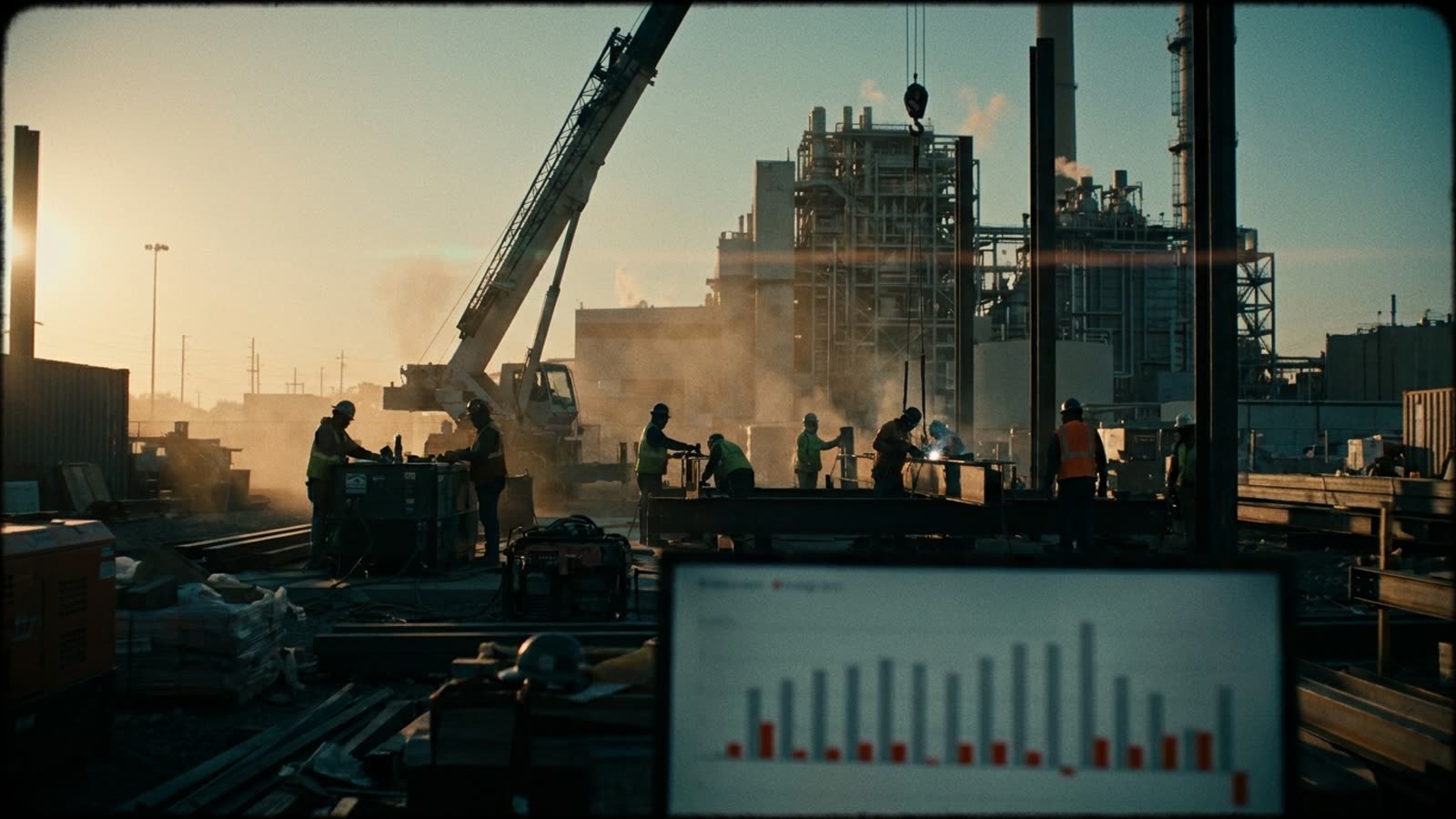
Job creation has consistently exceeded Wall Street forecasts, with gains broad-based across sectors that were supposed to be interest-rate-sensitive. Construction, manufacturing, and professional services all posted healthy increases, suggesting that neither higher mortgage rates nor tighter credit conditions have meaningfully constrained hiring. Wage growth, meanwhile, remains sticky enough to keep the Fed uncomfortable but not so torrid as to justify panic.
The unemployment rate holds near historic lows, a political gift for the incumbent administration but a headache for Jerome Powell. The Fed chair has repeatedly emphasized that the labor market would need to soften before inflation could sustainably return to target. That softening has not arrived.
Market recalibration
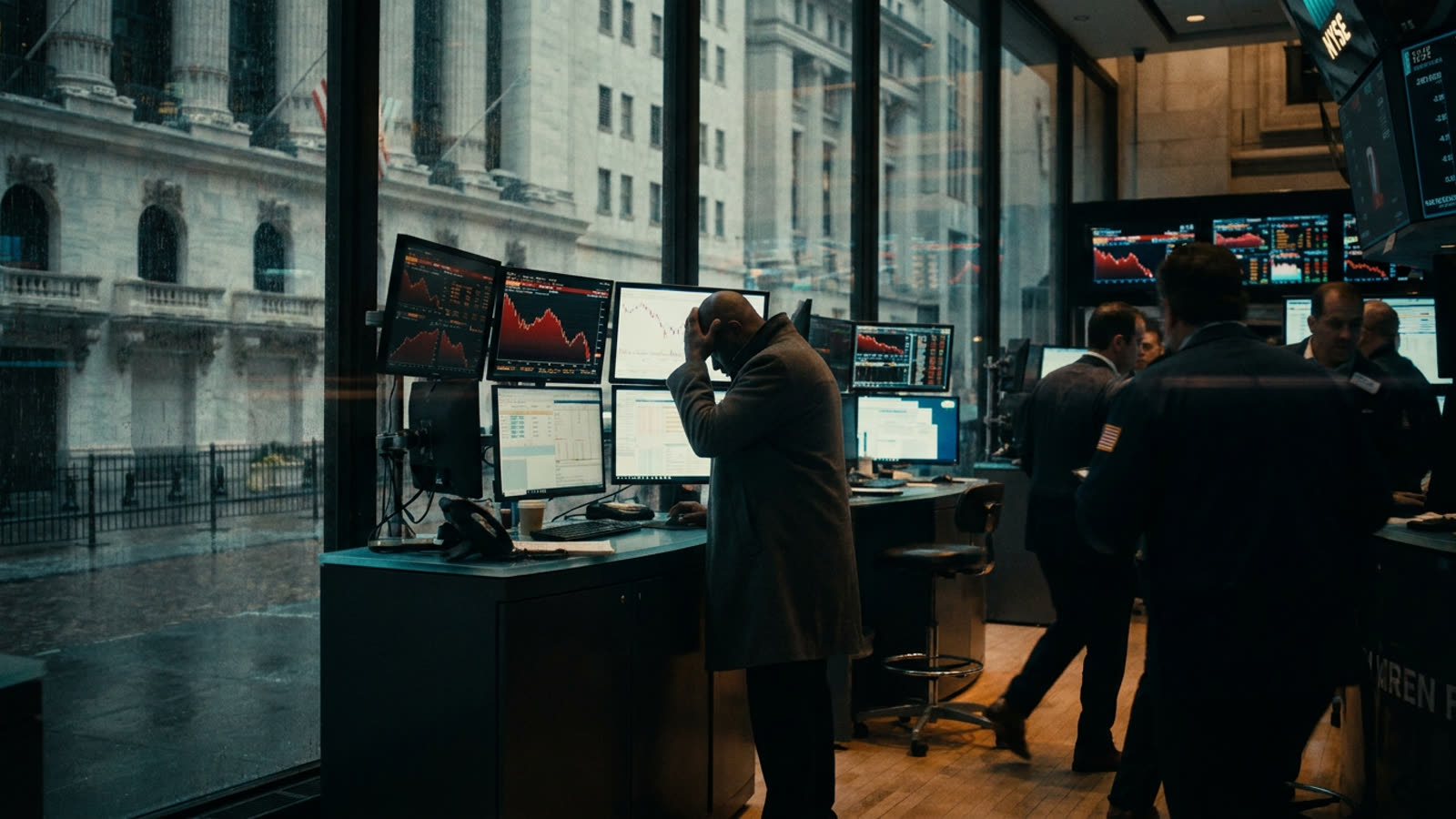
Financial markets responded with predictable displeasure. Equities sold off sharply, with rate-sensitive sectors—technology, real estate, and small caps—bearing the brunt. The semiconductor rout that began earlier this week accelerated, as investors repriced the cost of capital for companies that had been valued on the assumption of imminent monetary easing.
Bond yields climbed across the curve, with the two-year Treasury note—the maturity most sensitive to Fed policy expectations—pushing toward levels not seen since the regional banking stress of 2023. The dollar strengthened against major currencies, adding pressure to emerging markets already struggling with capital outflows.
The Fed's dilemma
The central bank's next meeting in late June now carries genuine suspense. A rate hike, once considered a tail risk, has become the base case for several major forecasters. The question is whether Powell will opt for a hawkish hold—signaling future tightening while gathering more data—or move immediately to reassert inflation-fighting credibility.
Neither option is costless. Hiking rates into an economy that shows no signs of recession risks triggering the very downturn the Fed has so far avoided. But holding steady while inflation remains elevated risks entrenching expectations that the central bank lacks resolve.
Our take
The American economy's stubborn vitality is genuinely impressive, but it has created a policy trap with no clean exit. The Fed bet that it could engineer a soft landing through patience; instead, it may have to choose between tolerating above-target inflation indefinitely or inducing the recession it spent three years trying to prevent. Neither outcome will be remembered kindly.