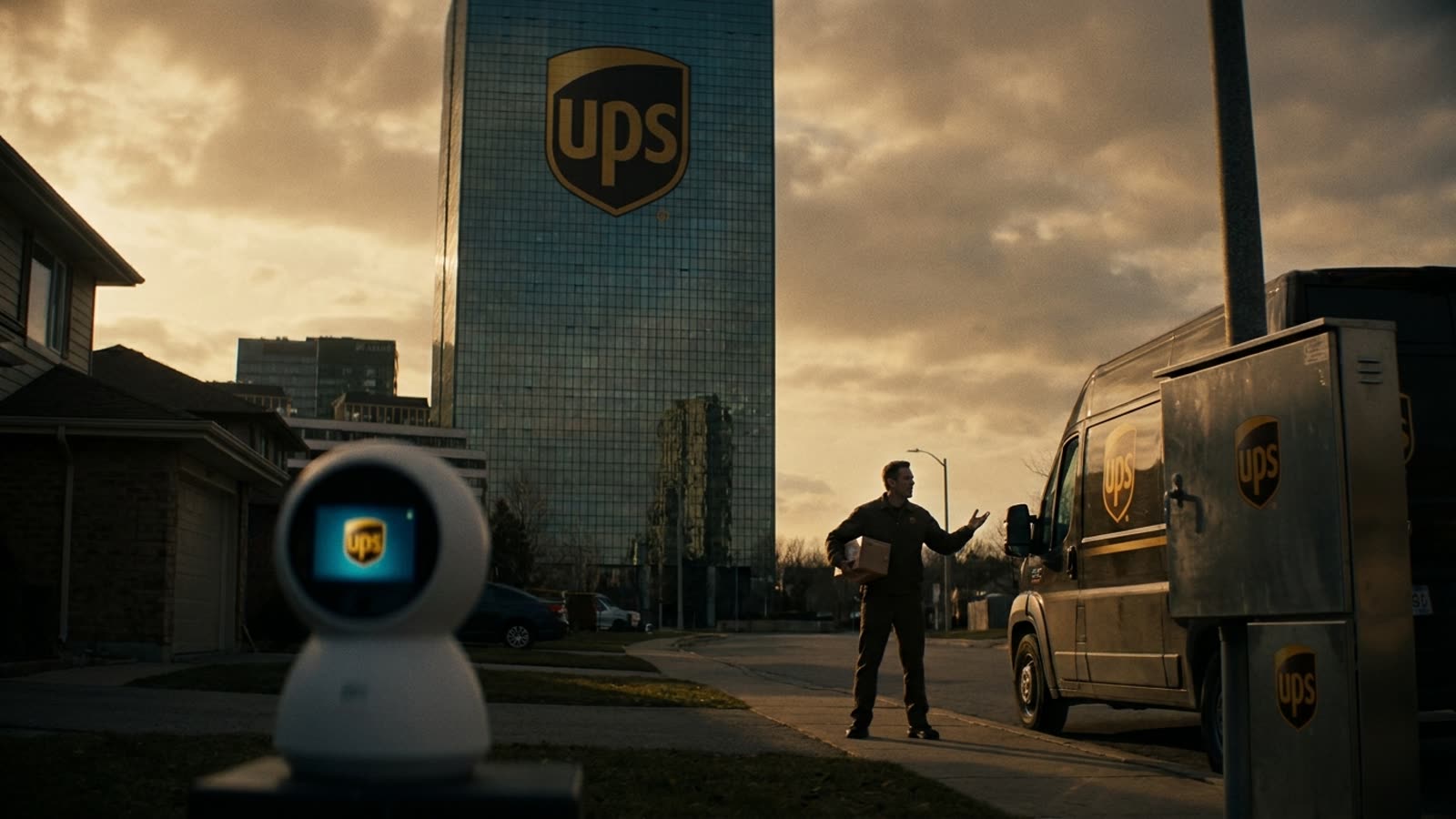
The footage is barely thirty seconds long, but it contains multitudes: a brown-uniformed UPS driver hurling a package at a barking dog, the dog yelping, the homeowner emerging in confusion, and then—improbably—the driver squaring up as if preparing for combat on a suburban lawn. The video, which surfaced this week and has since ricocheted across social media, is being treated as a customer-service failure. It is actually something stranger: a tiny window into the pressure cooker that last-mile delivery has become.
The clip heard round the internet
Doorbell cameras have turned every porch into a potential broadcast studio. What once would have been a neighbor's anecdote—"You won't believe what the delivery guy did"—now becomes a shareable artifact, complete with time stamps and multiple angles. The homeowner in this case posted the video after UPS's initial response felt inadequate; within hours it had accumulated millions of views and the inevitable chorus of outrage, ironic commentary, and amateur legal analysis. UPS has since confirmed an internal investigation is underway and issued a statement expressing concern for both the customer and the animal.
Delivery drivers at the breaking point
The average UPS driver in the United States now handles upward of 150 stops per day during non-peak periods—a figure that balloons dramatically during the holidays. Routes are algorithmically optimized down to the minute; bathroom breaks are a logistical afterthought. None of this excuses assaulting a pet or challenging a customer to a fistfight, but it does contextualize the simmering frustration that occasionally boils over. Drivers describe a job that has become faster, lonelier, and more surveilled with each passing year. The irony is that the same cameras documenting their worst moments rarely capture the hundreds of uneventful, competent deliveries that precede them.
Surveillance as social contract
We have collectively decided that filming strangers on our property is normal, even virtuous. Ring, Nest, and their competitors have sold tens of millions of devices by promising security and accountability. The trade-off is a world in which every human error—a driver's bad day, a momentary lapse in judgment—can become permanent content. The UPS clip is funny and appalling in equal measure, but it also raises a question few want to answer: What would your worst thirty seconds at work look like if someone posted it online?
Our take
The driver deserves consequences; throwing objects at animals and threatening customers is indefensible. But the viral economy that turns a single incident into a referendum on an entire company—or an entire profession—is its own kind of distortion. We watch these clips for the dopamine hit of righteous outrage, then scroll on without wondering what systemic pressures produced the meltdown in the first place. The dog is fine. The driver is almost certainly fired. And tomorrow there will be another video.