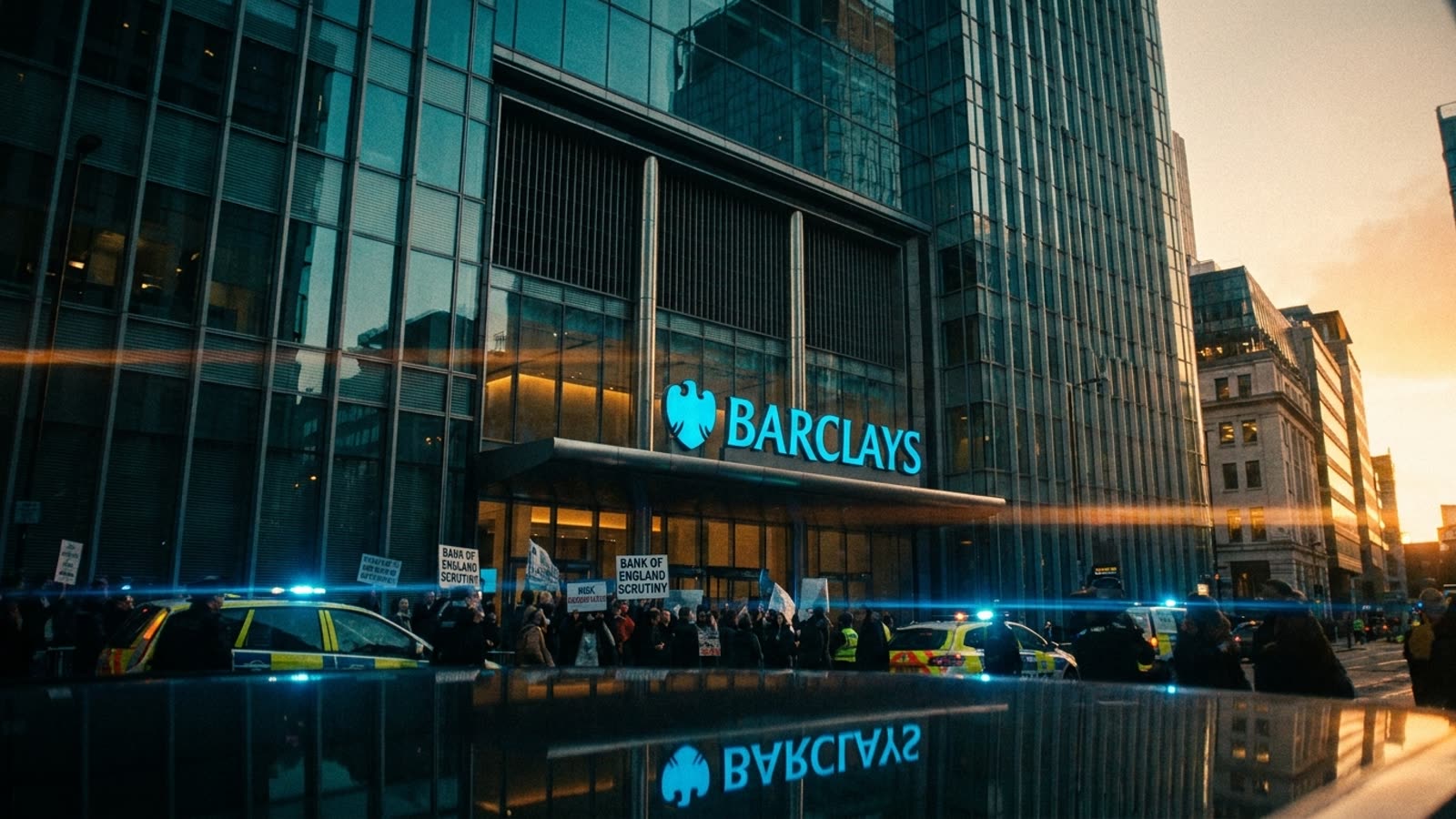
The London Stock Exchange has become a confessional booth. Sixty-five UK-listed companies issued profit warnings in the third quarter of 2026, the highest tally in two years, according to consultancy data reported by the Guardian. The proximate cause is familiar: war in the Middle East, spiking energy costs, and supply chains that remain stubbornly fragile. The deeper story is that British business never fully recovered its margin cushion from the last inflationary shock—and now faces another before the bruises have healed.
The Iran conflict, which escalated sharply over the summer, has pushed oil and gas prices back toward levels not seen since early 2023. For companies already operating on thin margins after years of elevated input costs, the timing is brutal. Many had budgeted for a gradual normalisation of energy expenses; instead, they are revising guidance downward and watching share prices punish them accordingly.
The composition tells a story
Profit warnings are not evenly distributed. Industrials, consumer goods, and logistics firms—sectors with heavy energy intensity or long supply chains running through the Gulf—account for a disproportionate share. Retailers, meanwhile, face a double bind: higher costs to move and stock goods, paired with consumers whose discretionary spending remains suppressed by mortgage pain and sticky food inflation. The warning count is a lagging indicator; the boardroom anxiety is a leading one.
Why London is feeling it first
The UK's equity market skews toward old-economy sectors—mining, oil majors, banks, consumer staples—that are more directly exposed to commodity volatility than the tech-heavy indices in New York. That structural tilt, often lamented as a sign of London's declining relevance, now functions as an early-warning system for the global economy. When British industrials cough, it is worth checking whether American and European peers are next.
The Bank of England's rate stance compounds the pressure. Gilt yields have climbed, raising the cost of corporate debt refinancing just as cash flows are squeezed. For leveraged firms, the arithmetic is unforgiving.
Our take
Sixty-five warnings in a quarter is not a crisis; it is a stress test that many firms are failing. The Iran war's energy shock arrived before British business had rebuilt the resilience eroded by Brexit, Covid, and the 2022 inflation surge. Investors should treat the warning count less as a headline and more as a diagnostic: the UK corporate sector remains structurally fragile, and the next exogenous shock—whatever its origin—will find plenty of exposed balance sheets.