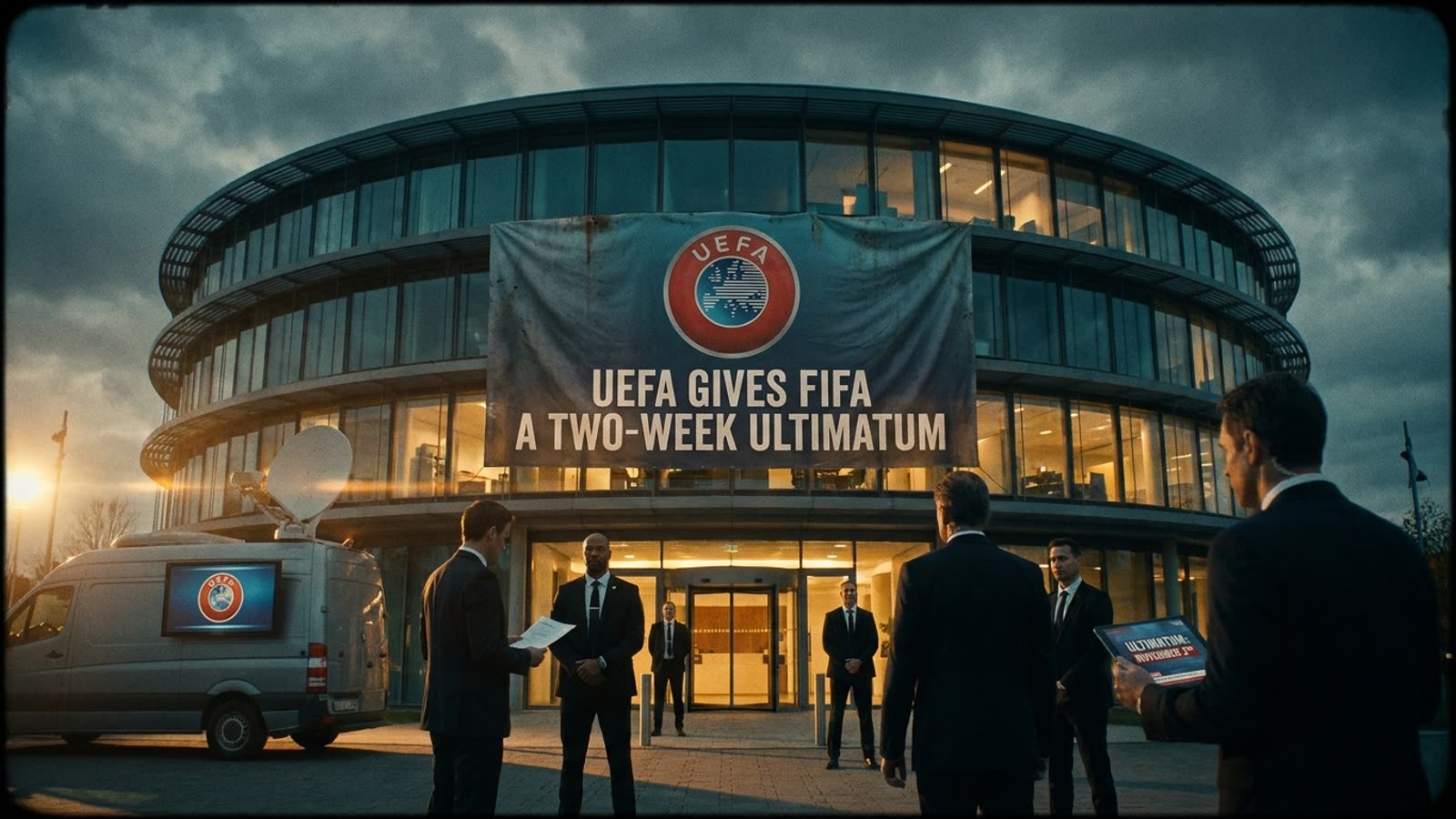
The confederation that controls the sport's richest clubs and most lucrative competitions has decided it is done asking nicely. UEFA's demand that FIFA produce internal governance and decision-making documents within fourteen days represents something rarer than a goalless El Clásico: a formal, public challenge to the authority of world football's governing body from within its own structure.
The timing is exquisite. With the expanded Club World Cup approaching and debates over the international calendar reaching fever pitch, UEFA has chosen this moment to force a transparency reckoning. The documents in question reportedly relate to FIFA's internal processes for major decisions—the kind of paperwork that illuminates who decided what, when, and why.
The stakes beyond the paperwork
This is not a bureaucratic spat over filing procedures. UEFA's move strikes at the heart of FIFA's operational sovereignty. For years, European football has chafed under decisions made in Zurich that affect its players, clubs, and broadcast revenues. The congested fixture calendar, the expanded World Cup format, the Club World Cup's awkward positioning—all have been sources of friction. But friction is one thing; a formal document demand with a public deadline is quite another.
The two-week window is deliberately tight. It leaves FIFA little room to stall, negotiate, or bury the request in procedural objections. Either the documents appear, or UEFA has its casus belli for whatever comes next—whether that means legal action, public condemnation, or something more structural.
What UEFA actually wants
The surface demand is transparency. The deeper play is leverage. UEFA generates the majority of football's global revenue through the Champions League and its member associations' domestic competitions. It has long believed this economic weight should translate into greater influence over FIFA's direction. By demanding visibility into FIFA's decision-making apparatus, UEFA is positioning itself to argue that those decisions lack proper consultation, democratic legitimacy, or adherence to FIFA's own statutes.
The November 2nd deadline also lands just before several key FIFA meetings, ensuring maximum pressure at maximum inconvenience.
Our take
Football's governance has always been a gentleman's agreement backed by enormous sums of money. UEFA has just announced it is no longer feeling particularly gentlemanly. Whether this produces genuine reform or merely a more sophisticated form of institutional warfare remains to be seen, but the pretense of unity at the top of world football is officially over. The sport's fans, who care primarily about what happens on the pitch, may find themselves spectators to a boardroom drama that will shape the game's structure for decades.