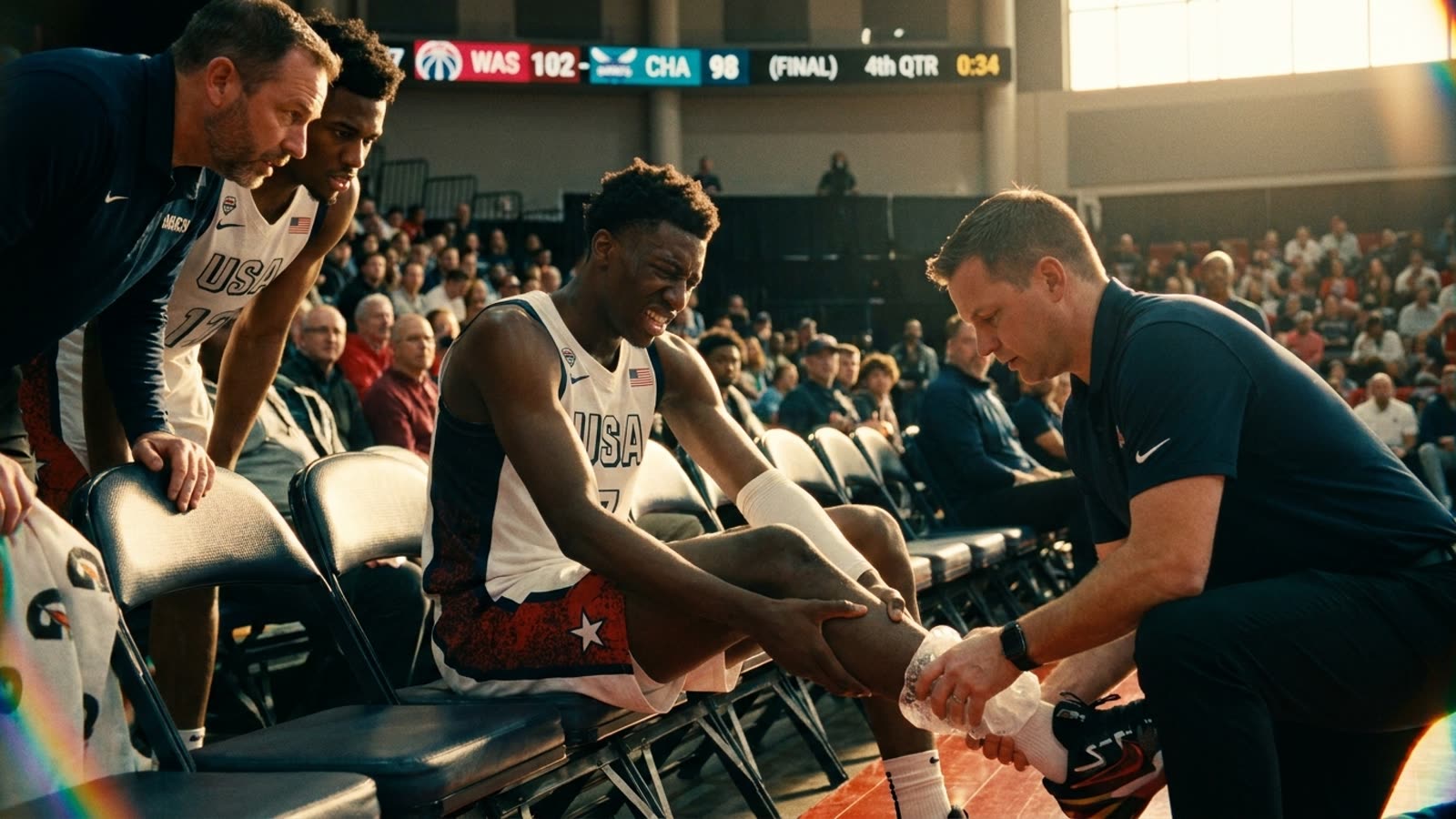
Washington's master plan was elegant in its simplicity: bottom out completely, win the draft lottery, select the consensus best prospect since Victor Wembanyama, and begin the slow climb back to relevance. AJ Dybantsa was supposed to be the foundation. Now, before he has played a single regular-season minute, the 19-year-old is undergoing evaluation on an ankle he injured during an awkward landing in the Wizards' preseason finale.
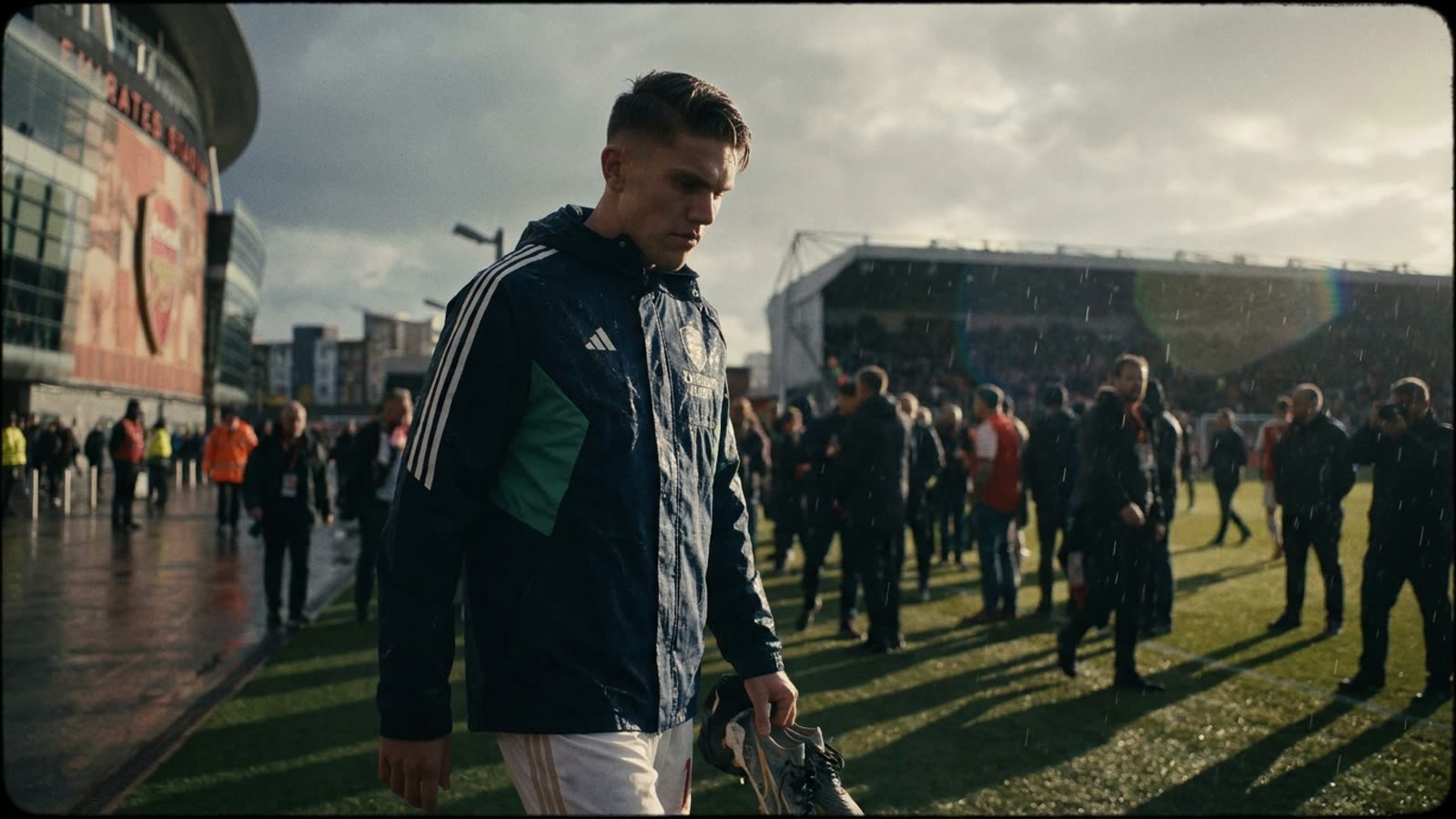
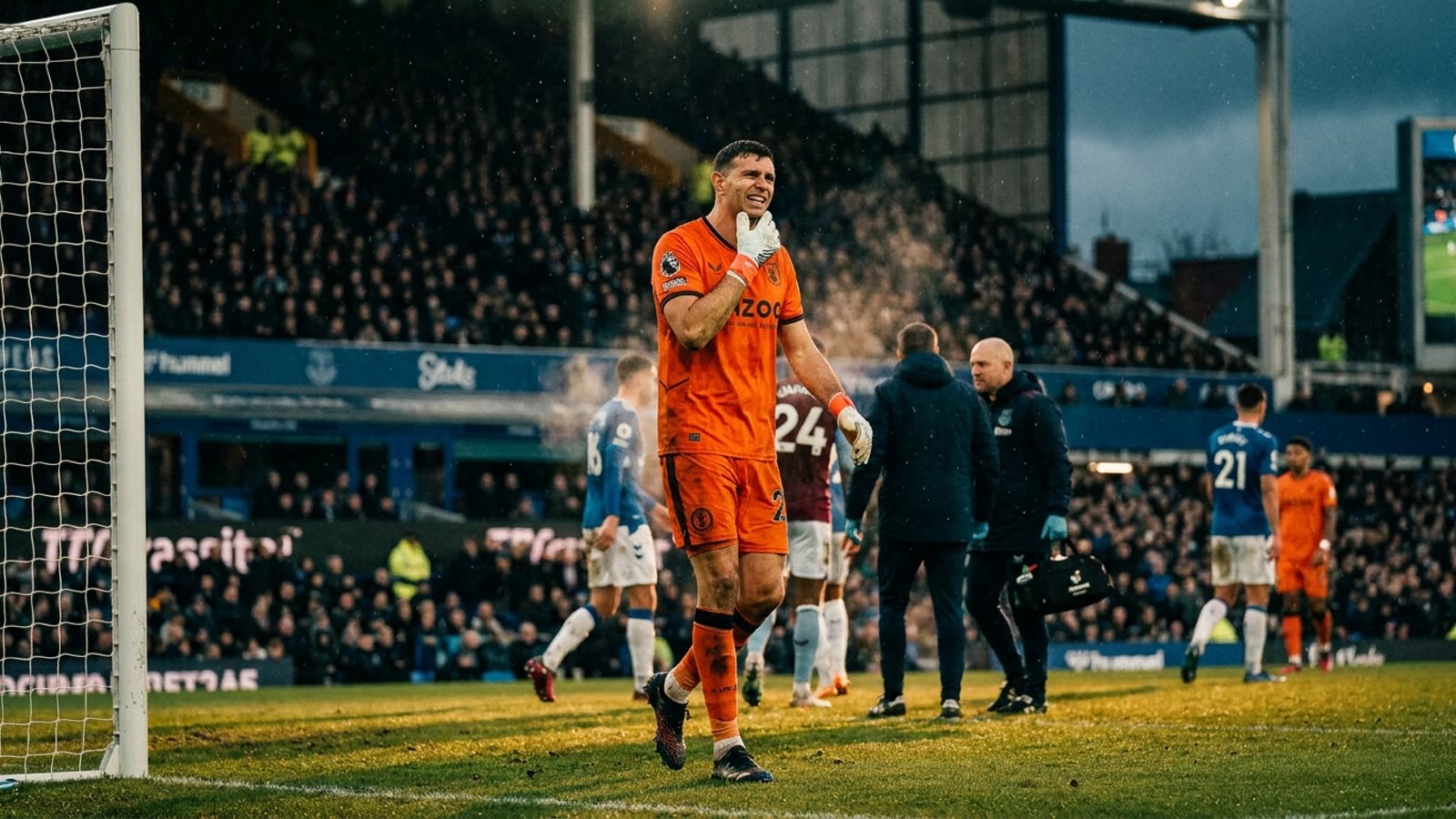
The injury may prove minor. Preseason scares often resolve into nothing more than cautionary footnotes. But the timing is cruel, and the optics are worse. Dybantsa's departure from the court—limping, attended to by trainers, his expression unreadable—was the kind of image that lodges in a fanbase's collective memory. Washington has spent years accumulating losses and draft capital precisely to avoid moments like this.
The weight of being number one
Dybantsa arrived in the capital carrying expectations that bordered on the absurd. At 6-foot-9 with a guard's handle and a shooter's touch, he was the rare prospect whose ceiling invited comparisons to the league's very best wings. The Wizards, who have not won a playoff series since 2017, marketed their entire offseason around his selection. Season-ticket campaigns featured his silhouette. The franchise's new era was to be dated from his first tip-off.
That narrative now sits in limbo. The Wizards have not disclosed the severity of the injury, and the phrase "further evaluation" is the NBA's preferred euphemism for "we genuinely do not know yet." It could mean a few missed games. It could mean weeks. The franchise's communications team is in the unenviable position of managing expectations while possessing incomplete information.
Franchise fragility
Washington's situation illustrates the precariousness of the modern rebuild. Teams that tank do so on the assumption that high draft picks will arrive healthy and develop on schedule. But the league is littered with cautionary tales: Markelle Fultz's shoulder, Zion Williamson's feet, Chet Holmgren's entire rookie year lost to a Lisfranc fracture. The Wizards knew the risks intellectually. Confronting them viscerally, before the season opener, is something else entirely.
The roster around Dybantsa is thin by design. Washington shed veterans and salary to maximize lottery odds, leaving a supporting cast of developmental pieces and expiring contracts. Without their centrepiece, the Wizards are not merely bad—they are directionless. The front office's bet was always that Dybantsa's presence would make the losses feel purposeful. His absence makes them feel pointless.
Our take
This is probably nothing. Ankle tweaks happen constantly in basketball, and most resolve with rest and treatment. But the Wizards' reaction to even a minor scare reveals how much psychological weight they have placed on a teenager's frame. Franchises that invest this heavily in a single player are not building teams; they are buying lottery tickets and hoping the numbers hit. Washington's ticket is still in play, but the brief flutter of panic is a useful reminder: rebuilds are not engineering projects with predictable outcomes. They are acts of faith, and faith is tested most when it matters most.