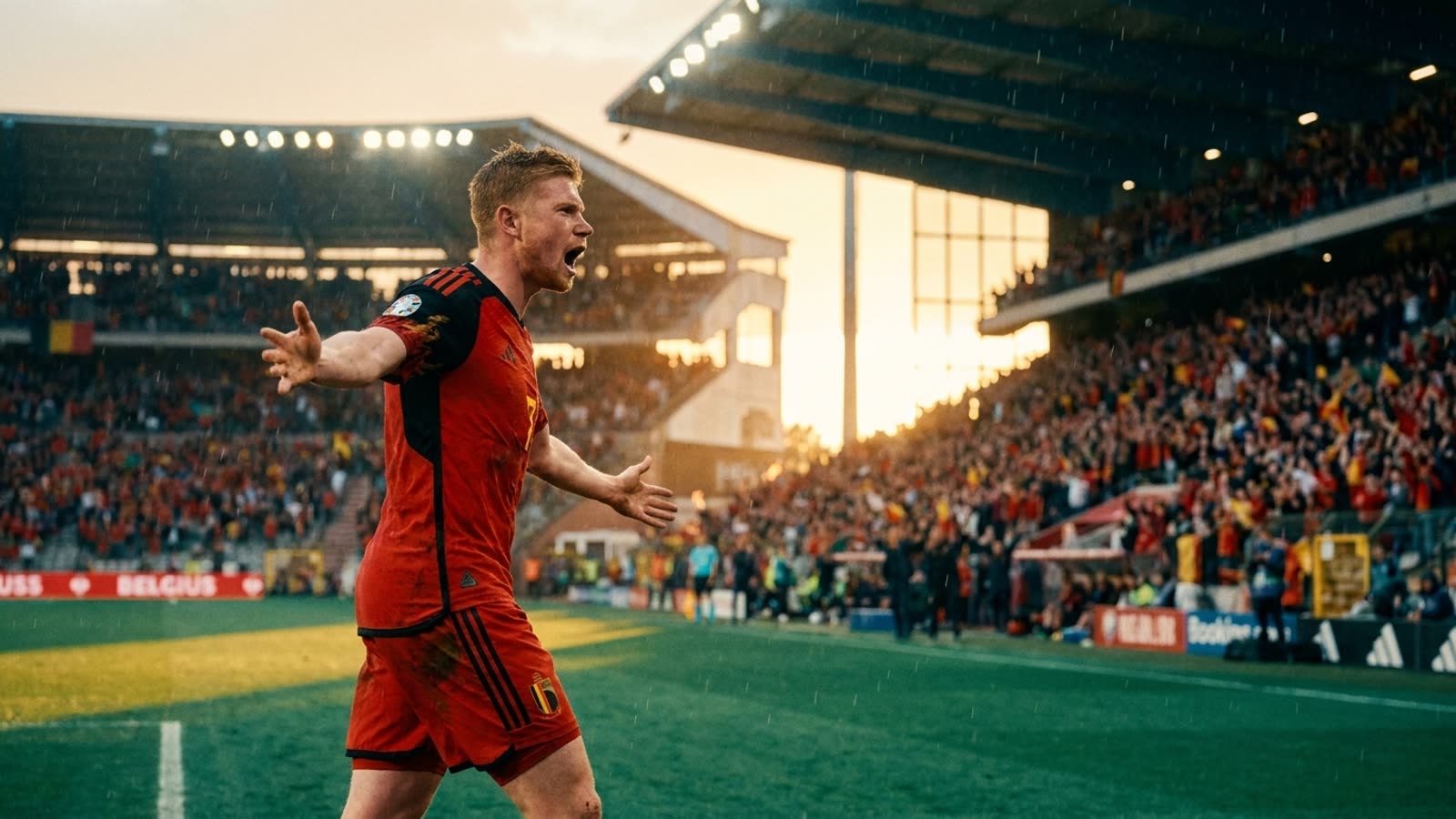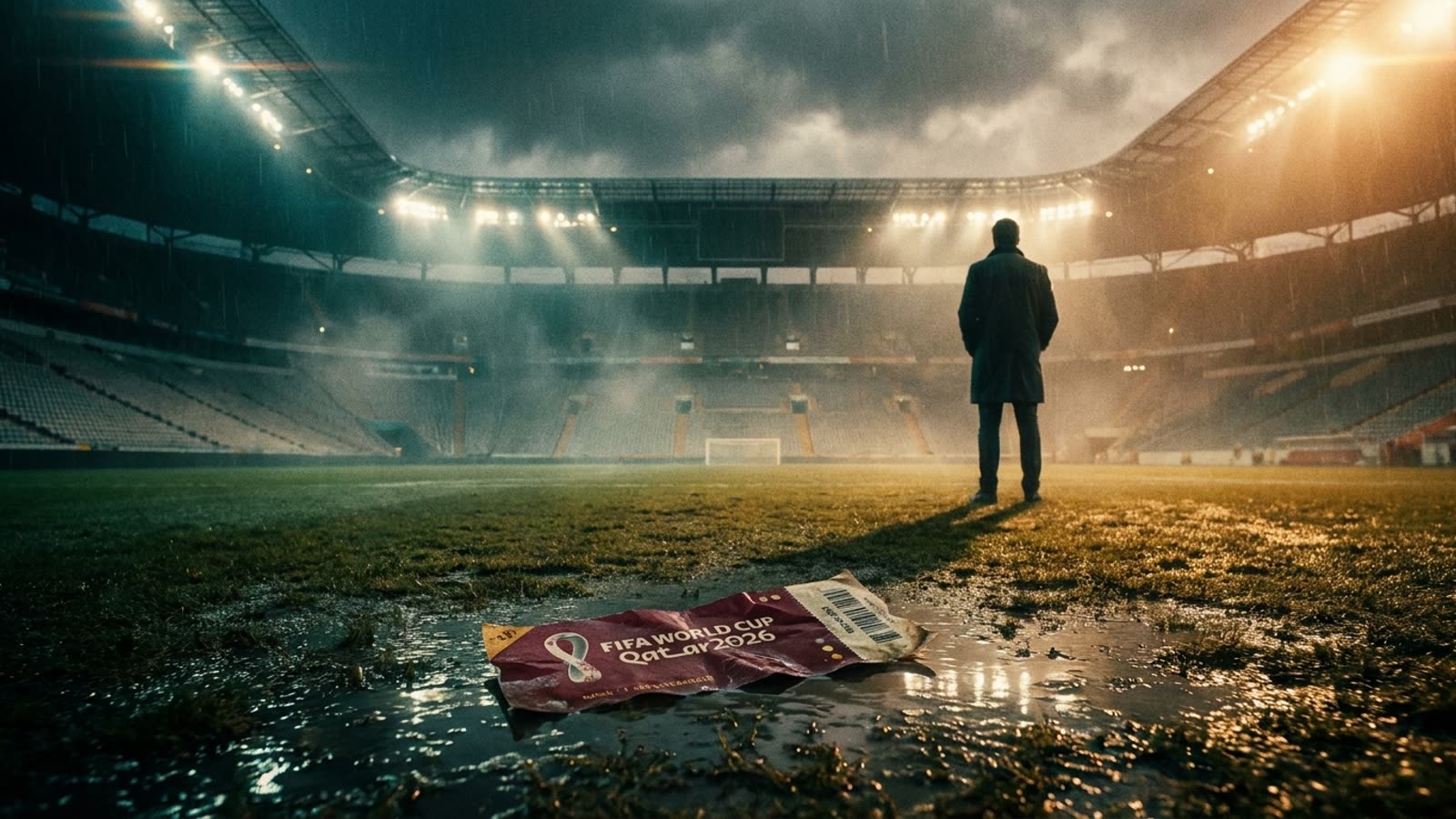
The 2026 FIFA World Cup was supposed to be American soccer's coming-of-age party. Instead, it has become a stress test for the boundaries between political power and sporting integrity — and the boundaries are losing.
Reports emerged over the weekend that President Donald Trump personally intervened following a controversial red card decision during the United States' group-stage match, allegedly placing calls that resulted in the card being rescinded or its consequences softened. The details remain murky, as they always do when executive power operates in the shadows, but the stench of impropriety has settled over the tournament like summer smog over Los Angeles.
The anatomy of an alleged fix
FIFA's official position is that refereeing decisions are sacrosanct, subject only to VAR review within the match itself. Yet multiple credible outlets now report that pressure from the highest levels of the U.S. government reached tournament officials in the hours following the incident. Whether that pressure changed an outcome, influenced subsequent officiating, or simply created the appearance of corruption matters less than the fact that the question must be asked at all.
The irony is exquisite. The United States spent decades lecturing FIFA about bribery and backroom dealing, cheering loudest when Sepp Blatter's empire collapsed under the weight of DOJ indictments. Now the host nation's own president stands accused of the sort of interference that would trigger sanctions if it came from a federation in Africa or Asia.
A tournament already under siege
This controversy lands on a World Cup that was already wobbling. Ticket pricing scandals, infrastructure delays, and the awkward tri-nation hosting arrangement had tested patience before a ball was kicked. The USMNT's subsequent exit to Belgium — a 3-1 defeat that exposed every tactical limitation Gregg Berhalter's squad possesses — might have been the dominant storyline. Instead, it's a footnote.
The storm overshadowing the tournament isn't about American soccer's developmental curve or whether Christian Pulisic can carry a nation's hopes. It's about whether the world's most-watched sporting event can maintain the fiction that what happens on the pitch is determined by what happens on the pitch.
What comes next
FIFA President Gianni Infantino faces an impossible choice. Investigate credibly and risk alienating the host nation — and its television money — mid-tournament. Dismiss the allegations and confirm every cynic's suspicion that football's governing body remains for sale to the highest bidder. The organization's track record suggests which path it will choose.
For American soccer, the damage may prove lasting. A generation of young fans was supposed to fall in love with the beautiful game this summer. What they're learning instead is that the beautiful game operates by the same rules as everything else: power protects its own.
Our take
The Trump phone call story may never be definitively proven or disproven — that's rather the point of how soft power operates. But FIFA's silence is itself an answer. An organization that once banned entire federations over government interference has nothing to say when the interference comes from the world's most powerful government. The 2026 World Cup will crown a champion, the matches will be played, and the television contracts will be honored. What won't be restored is the naive belief that sport exists in a separate realm from politics. That illusion died somewhere between a red card and a phone call.