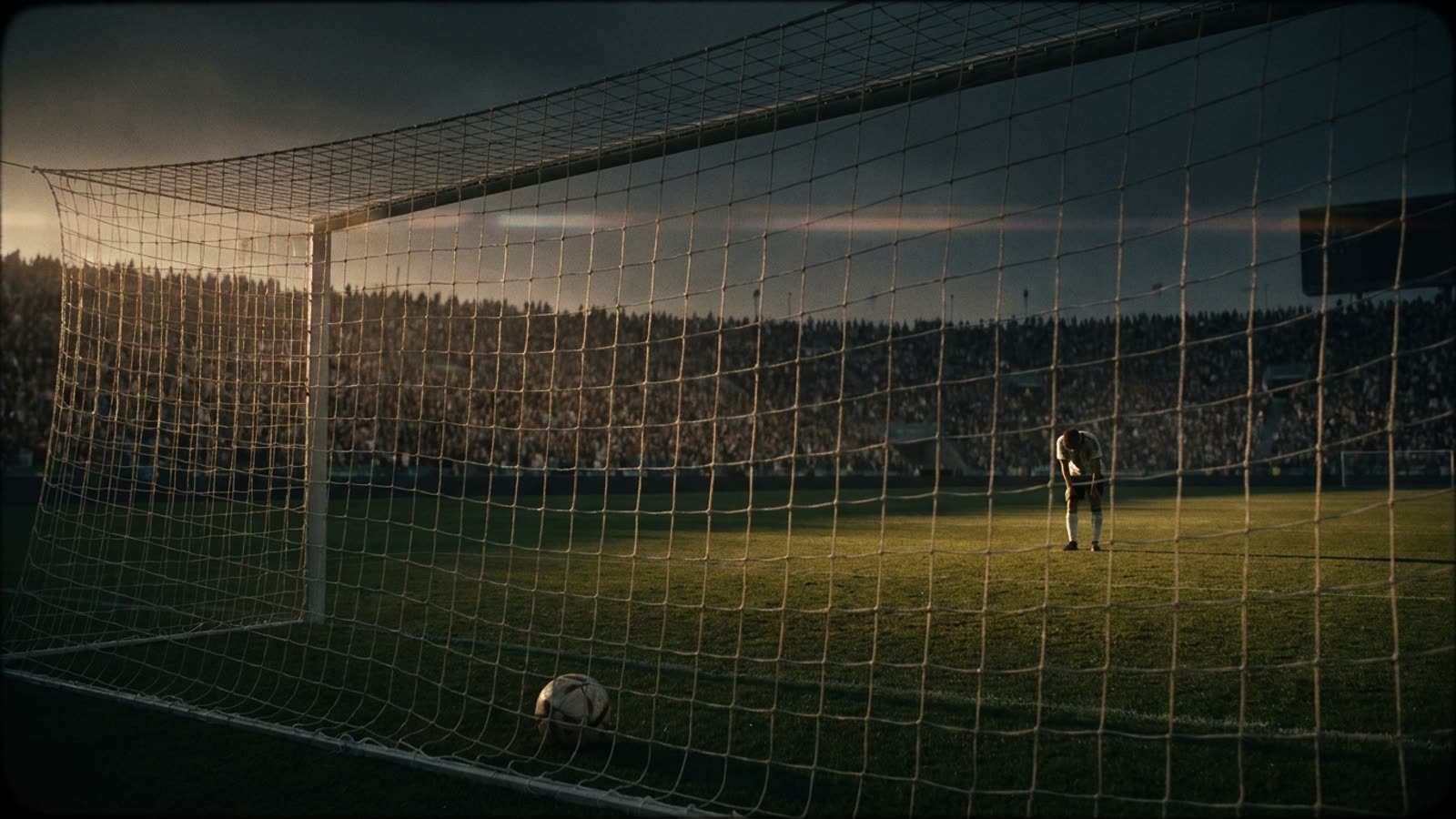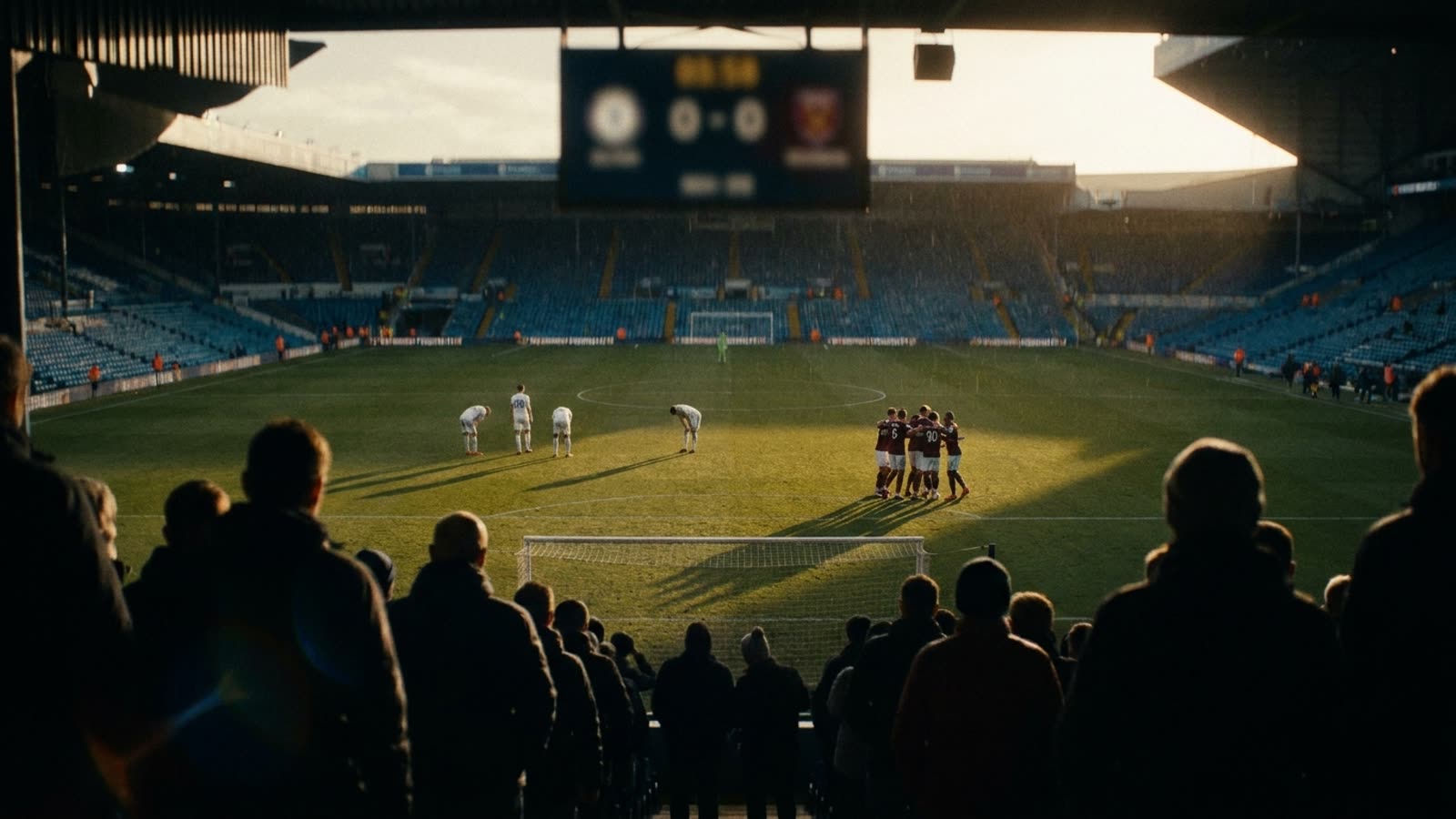
The scoreline read 4-1, but the margin of Belgium's superiority was wider still. In front of a capacity crowd at MetLife Stadium — on home soil, in a tournament the United States had spent years preparing to host — Gregg Berhalter's side was systematically dismantled by a Belgian team that is itself in transition, no longer the golden generation of 2018 but something more workmanlike and, crucially, more coherent.
This was not a case of American pluck falling just short against superior talent. Belgium controlled possession, dictated tempo, and exploited defensive disorganization with clinical efficiency. The USMNT's pressing, which had looked energetic in group-stage wins over modest opposition, became ragged against players comfortable under pressure. By halftime, the deficit was insurmountable. By the final whistle, the stadium had half-emptied.
The structural problem
American soccer's boosters have spent the better part of a decade pointing to promising signs: Christian Pulisic's emergence at Chelsea and then Milan, a wave of young players earning minutes in the Bundesliga and Premier League, the financial muscle of MLS. Yet the national team continues to stumble at the same hurdle — the knockout rounds of major tournaments, where tactical discipline and collective intelligence matter more than individual flashes.
Belgium's goals were not the product of brilliance but of repetition. The Red Devils found the same channels, exploited the same gaps between American midfielders and defenders, over and over. It suggested a team that had done its homework against an opponent whose patterns are legible to anyone paying attention.
What comes next
Berhalter's position is now untenable, though U.S. Soccer has shown a historical reluctance to make swift changes. The federation will commission reviews, consult stakeholders, and likely delay any decisive action until the post-tournament glow fades entirely. Meanwhile, the core questions remain unanswered: why does a country of 330 million people, with vast resources and a growing football culture, continue to produce teams that wilt under tournament pressure?
The excuses are familiar. Europe's academies are better. The best American athletes choose other sports. MLS prioritizes entertainment over development. Each contains a grain of truth; none is sufficient. Other nations with smaller populations and fewer resources have built more competitive programs through coherent long-term planning.
Our take
The cruelest part of the Belgium defeat is that it was predictable. Anyone who watched the USMNT struggle to break down disciplined defenses in qualifying, or saw the defensive lapses papered over by friendly-match scorelines, could have sketched the outline of this result. A home World Cup was supposed to be the stage for American soccer's coming-of-age story. Instead, it became another chapter in a longer, more frustrating narrative — one in which potential is perpetually deferred and the gap between aspiration and execution never quite closes. The tournament continues without the hosts, and the hard questions, as always, will wait.