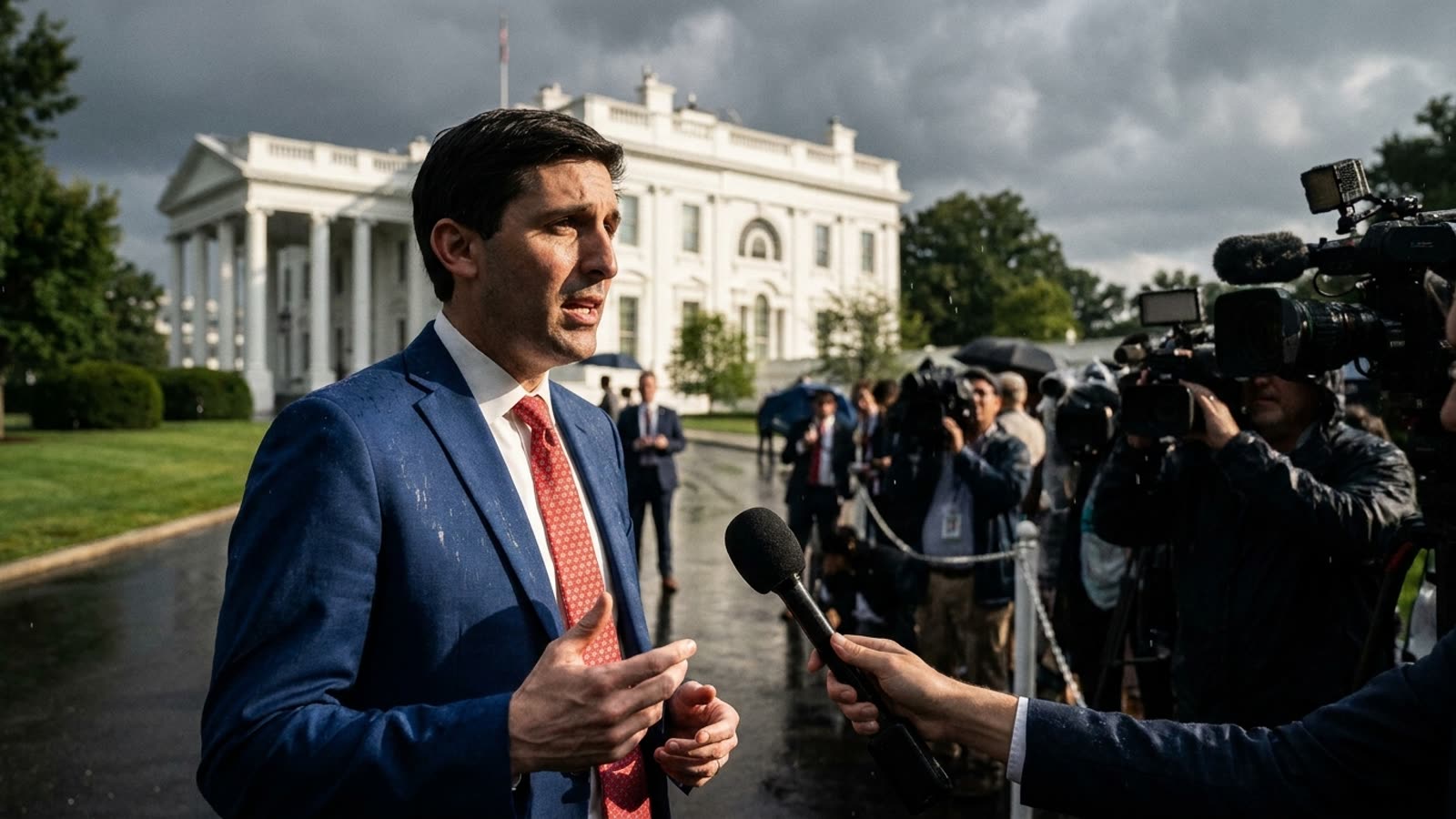
The president of the United States personally telephoned the world's richest man to ask him to lift restrictions on a satellite network that a foreign military depends on to fight a war. That this sentence describes actual events in October 2026 tells you everything about the strange new architecture of American power.
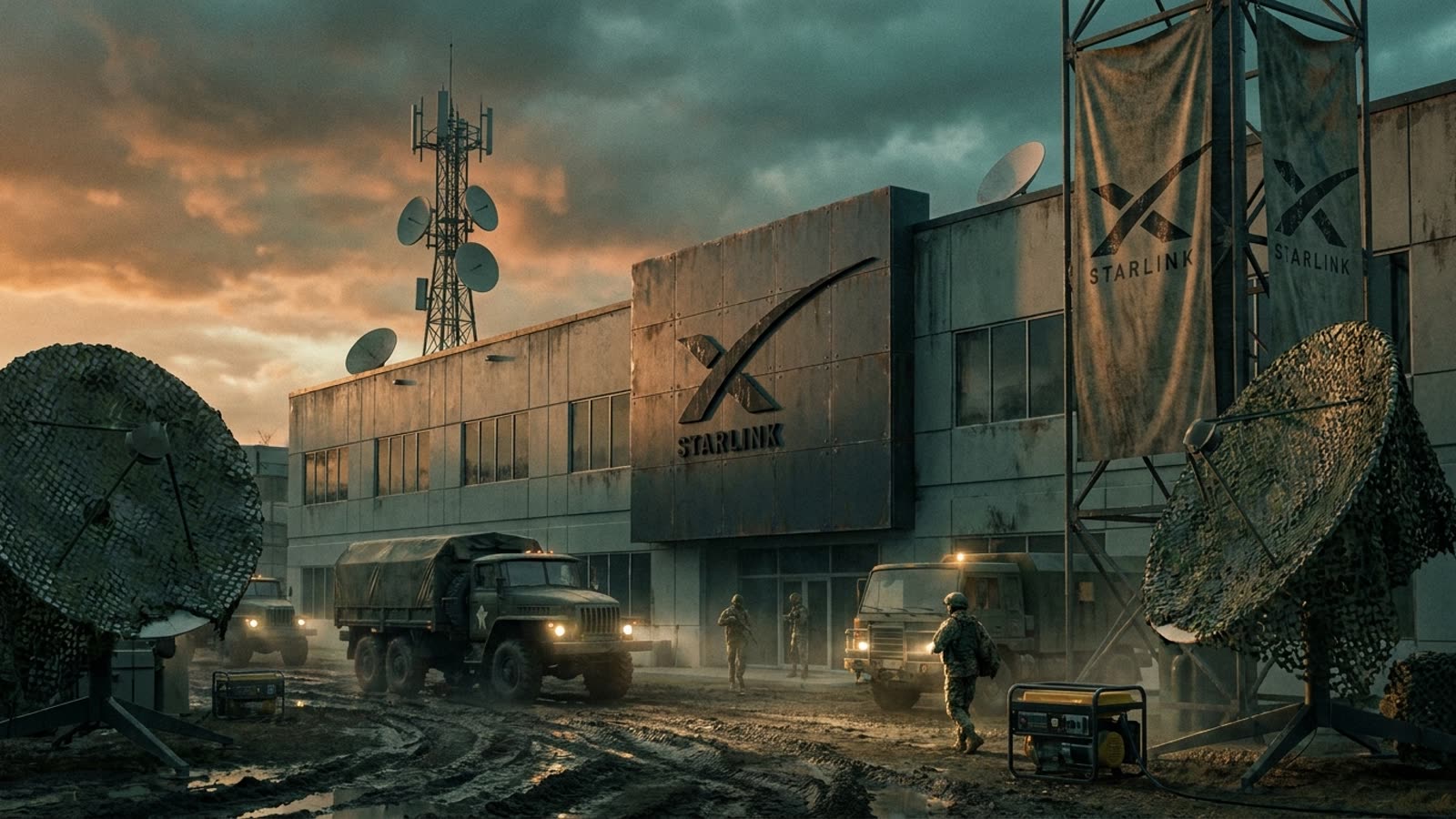
Donald Trump announced earlier this week that he had spoken with Elon Musk and that Starlink service to Ukraine had been "fully restored." Ukrainian defense officials now say this is not true. The Starshield network—the military-grade variant of Starlink that Kyiv relies on for drone operations and air defense coordination—continues to operate under a speed cap of 161 kilometers per hour. For reconnaissance drones, that's workable. For the fast-attack systems Ukraine uses to strike Russian positions, it's crippling.
The privatization problem
The fundamental issue is not whether Musk personally supports Ukraine. It's that a single private company controls communications infrastructure that a sovereign nation at war cannot function without. SpaceX's Starlink constellation provides the only reliable high-bandwidth connectivity across much of the Ukrainian front. When Musk's company imposes technical limitations—whether for commercial, political, or liability reasons—there is no alternative. The Pentagon has contracts with SpaceX for Starshield, but those contracts apparently do not compel the company to provide unlimited military utility to third parties.
This arrangement made a certain improvised sense in 2022, when Starlink terminals arrived in Ukraine as emergency aid. Four years later, it looks less like innovation and more like a structural vulnerability. The United States has effectively outsourced a critical piece of allied war-fighting capability to a company whose owner sits in the cabinet and whose interests span multiple countries, including some that are not aligned with American foreign policy.
What Trump's call actually means
The White House framed the president's intervention as decisive leadership. In practice, it demonstrated Musk's leverage. A sitting president had to ask—not order—a private citizen to adjust network settings for a foreign ally. The fact that the restrictions reportedly remain in place suggests either that Musk declined, that SpaceX's technical or legal teams overruled any verbal agreement, or that the White House misunderstood what was promised.
None of these possibilities reflects well on the administration's command of the situation. The episode also raises questions about what Musk received or expects in return for his cooperation, partial or otherwise. His companies hold tens of billions in federal contracts. His role as a senior advisor gives him unusual access to policy discussions that affect his commercial interests.
Our take
There is nothing inherently wrong with governments relying on private contractors for military technology—Lockheed Martin and Raytheon have done this for decades. But those companies do not have owners who double as presidential advisors, who control global social media platforms, and who have publicly mused about the terms on which wars should end. The Starlink situation is a case study in what happens when critical infrastructure concentrates in the hands of someone who cannot be fired, cannot be subpoenaed without political consequences, and answers, ultimately, to no one. Ukraine's drone operators are learning this lesson at 161 kilometers per hour.