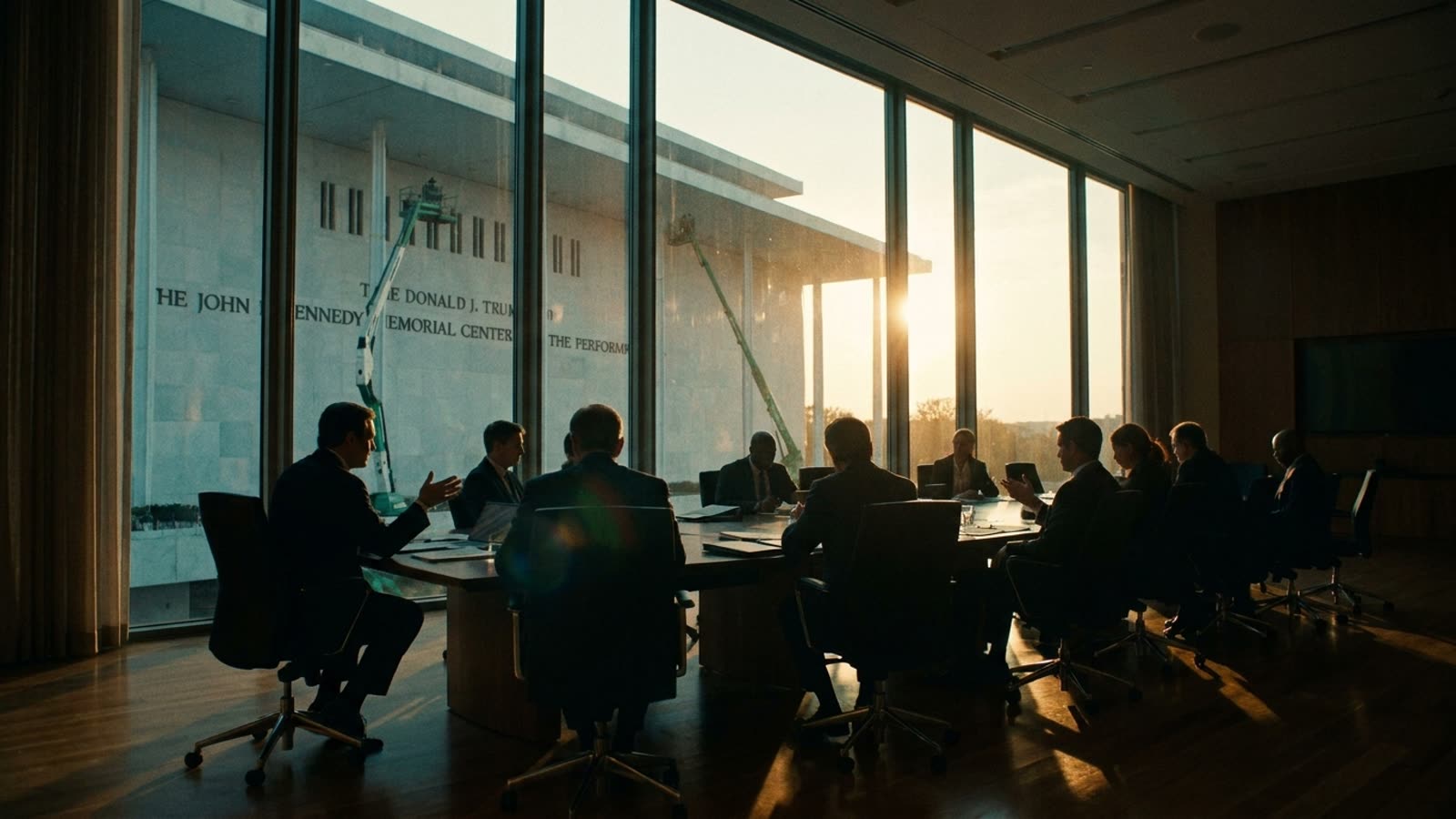
The Kennedy Center will not become the Trump Center, at least not while federal judges still have gavels.
A federal court this week blocked the administration's attempt to rename and restructure the nation's premier performing arts venue, ruling that the president cannot unilaterally rebrand a congressionally chartered institution. The decision forced an unusual White House retreat: Trump abandoned the effort entirely rather than face prolonged litigation.
The constitutional snag
The Kennedy Center for the Performing Arts was established by an act of Congress in 1958 and named for President John F. Kennedy following his assassination. That legislative origin proved decisive. The judge found that altering the center's name and governance structure required congressional action, not executive fiat—a distinction the administration apparently failed to anticipate.
The ruling fits a pattern. Courts have repeatedly pushed back on attempts to use executive authority for projects that require legislative approval, from border wall funding to impoundment of appropriated funds. The Kennedy Center gambit was perhaps the most symbolically charged of these efforts, attempting to insert Trump's name into the physical landscape of official Washington.
The economics of cultural branding
Beyond the legal questions lies a financial reality. The Kennedy Center operates as a hybrid entity, receiving federal appropriations while also depending heavily on private donations and ticket revenue. Major donors—many of whom give specifically because of the Kennedy legacy—had reportedly expressed alarm at the rebranding proposal. The center's development office was bracing for a fundraising crisis.
Cultural institutions trade on their names. The Smithsonian, Lincoln Center, Carnegie Hall—these brands carry decades of accumulated prestige that translates directly into philanthropic dollars. A Trump-branded Kennedy Center would have tested whether the president's name adds or subtracts value in the donor class that sustains high culture.
Our take
This was always more about ego than policy, and the swift capitulation confirms it. The administration could have fought the ruling, appealed through multiple courts, made it a cause célèbre for executive power. Instead, they folded—suggesting the legal advice was grim and the political upside minimal. Trump got a news cycle; the Kennedy Center keeps its name. Sometimes the system works exactly as the founders intended, if only by accident.