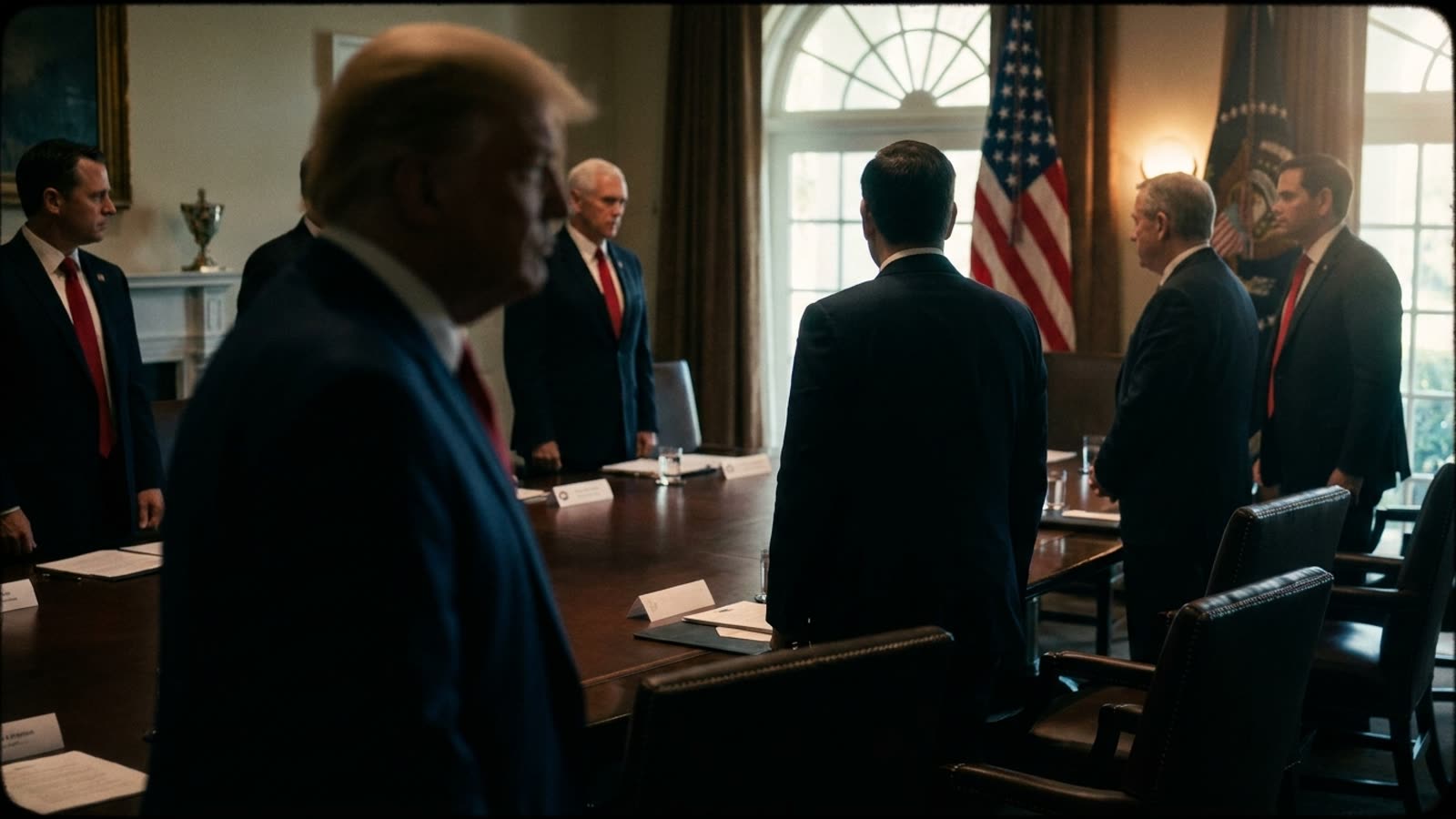
The most clarifying moments in politics arrive not through dramatic confrontation but through the quiet accumulation of small defections. This week delivered several, and they suggest that Donald Trump's relationship with congressional Republicans has entered a new, more volatile phase—one where the president's instincts and his party's survival imperatives are pulling in opposite directions.
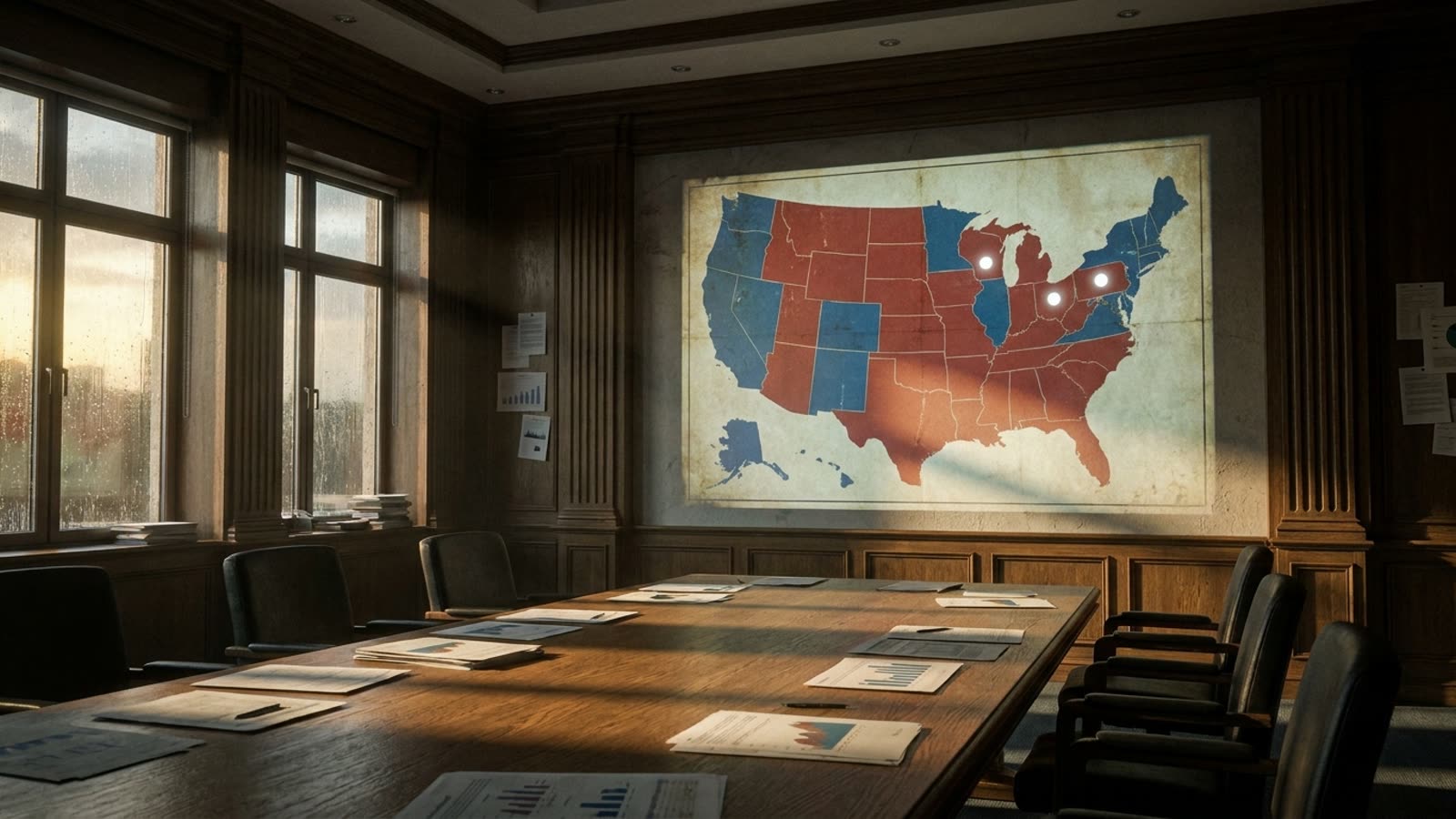
The proximate cause is a series of Republican primary losses that party strategists attribute directly to Trump-backed candidates and Trump-adjacent positioning. But the deeper issue is structural: Trump continues to govern as though his personal coalition and the Republican electoral coalition are identical. They are not, and the midterm calendar is making that distinction impossible to ignore.
The math problem no one will name
Republican senators, speaking with increasing candor to reporters, describe a president who remains fixated on loyalty tests and ideological purity at precisely the moment when the party needs to expand its appeal. The 2026 midterms are less than six months away, and vulnerable Republicans in swing districts cannot run on the same platform that animates Trump's base.
This is not a new tension, but it has reached a new intensity. Trump's response to the primary setbacks has been to double down on politically unpopular positions—a pattern that worked when he was a candidate but carries different risks when he is the incumbent whose party must defend congressional majorities. The senators who privately grumble about this dynamic remain, for the most part, unwilling to say so publicly. But the grumbling itself is the story: it signals that the cost-benefit calculation of Trump alignment is shifting.
The cowardice question
Critics have been quick to label Republican senators as cowards for their reluctance to break openly with Trump. The charge is not entirely fair. These are politicians making rational calculations about their own survival, and the Republican primary electorate remains overwhelmingly pro-Trump. The more interesting question is whether those calculations are changing—and the evidence suggests they are, at the margins.
The senators who lost primaries this cycle were not moderates who strayed from Trump; they were loyalists who discovered that loyalty alone is insufficient when the broader political environment turns hostile. This creates a paradox: Republicans cannot win primaries without Trump's blessing, but they may not be able to win general elections with it.
What defiance looks like
The week's most telling development was not any single statement but the aggregate pattern of legislative resistance. On multiple fronts—from spending priorities to executive authority—congressional Republicans pushed back against White House preferences with an assertiveness that would have been unthinkable eighteen months ago. The pushback was not coordinated, which makes it more significant: it reflects individual members concluding independently that the political cost of reflexive deference now exceeds the cost of occasional defiance.
Trump, for his part, has responded with characteristic combativeness, framing any dissent as betrayal. This approach has worked before. Whether it can work again, with midterms looming and poll numbers softening, is the question that will define the next six months.
Our take
The Republican Party is not breaking with Trump—not yet, not in any decisive way. But it is beginning to hedge, and in politics, hedging is often the precursor to something more dramatic. Trump's political genius has always been his ability to make alignment with him feel inevitable. This week suggested that the feeling is fading, replaced by something more transactional and therefore more fragile. The president still commands the party's base, but he may be losing his grip on its future.