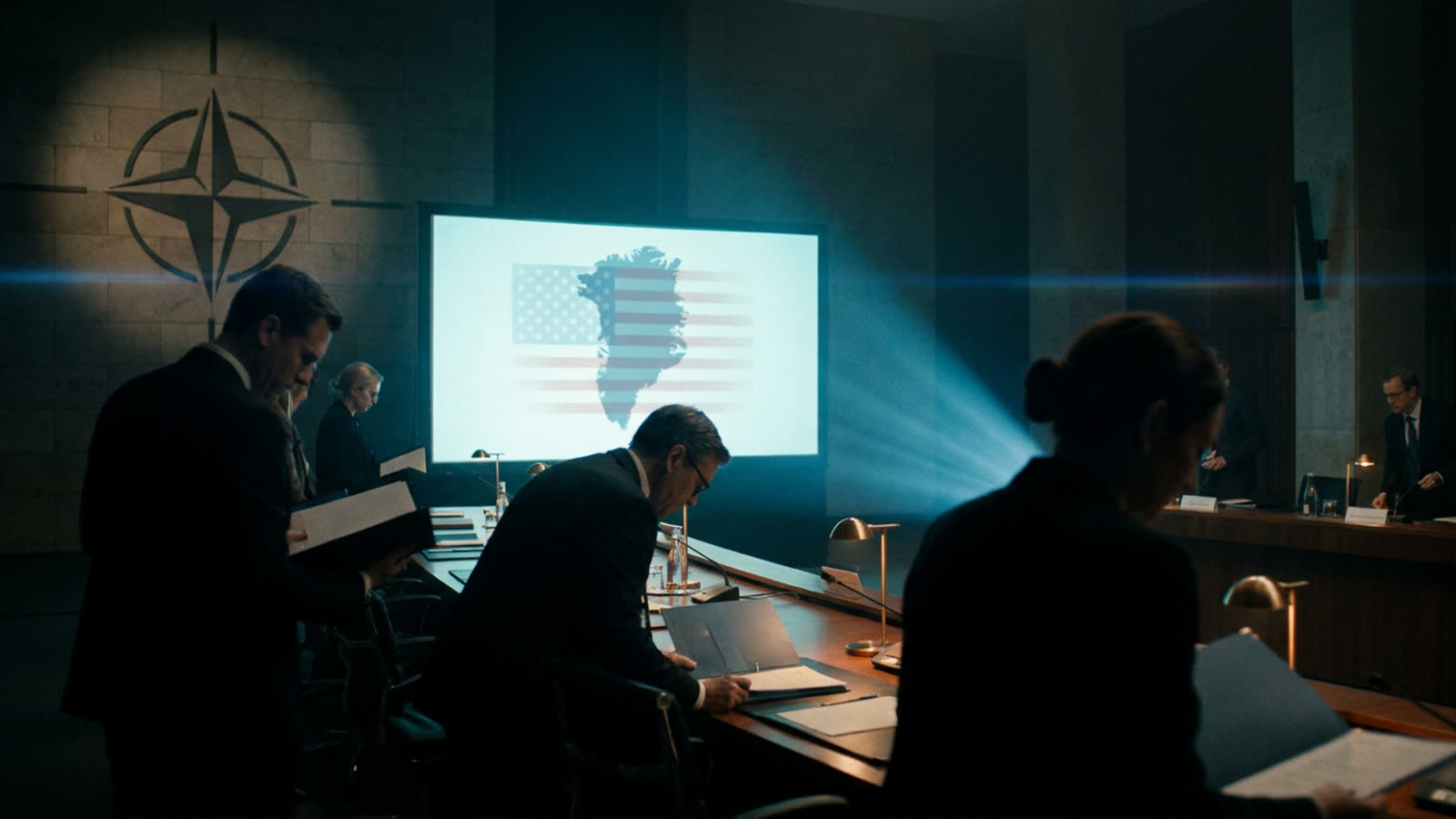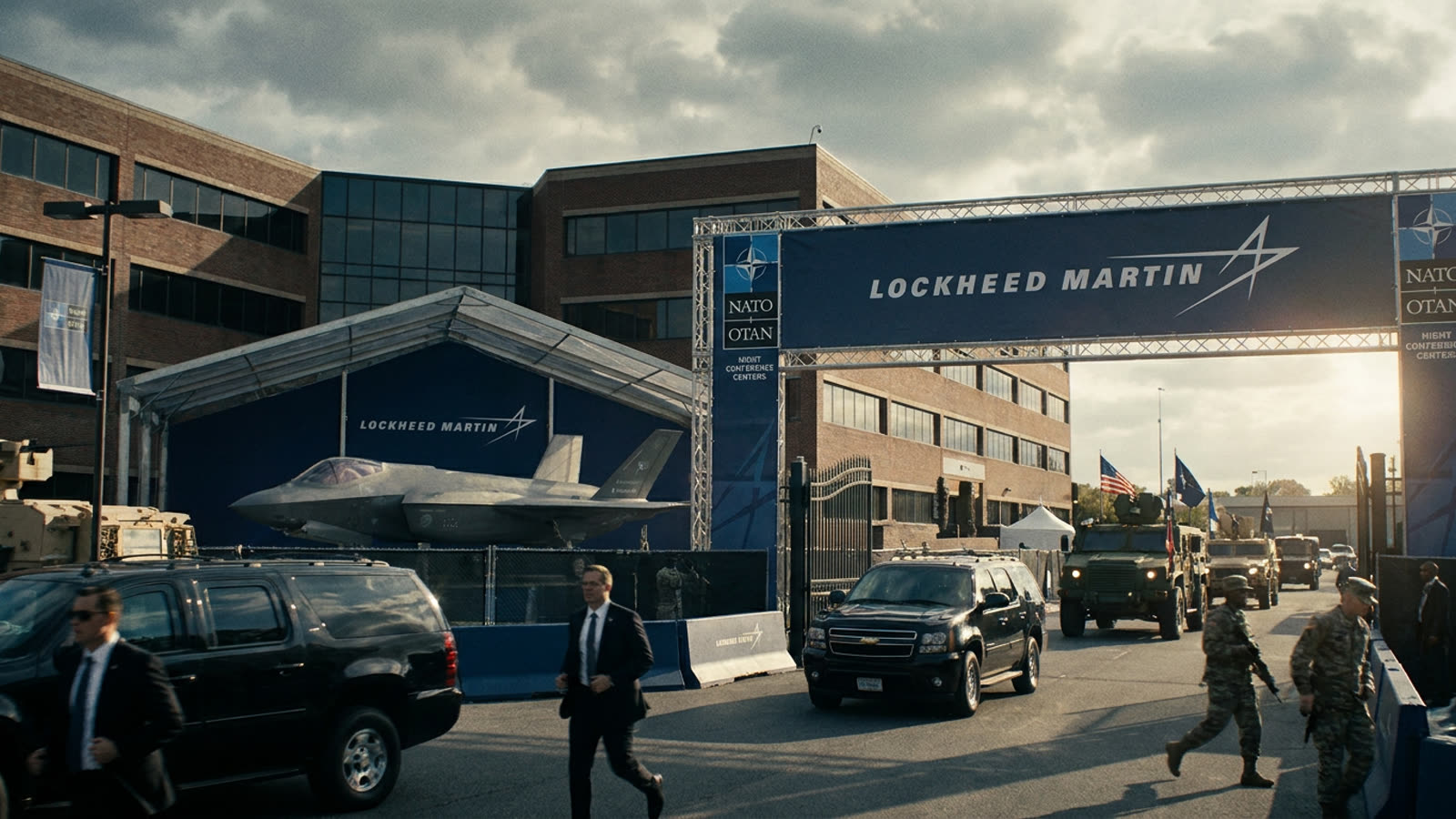
The F-35 Lightning II is not merely an aircraft; it is a membership card. For nearly a decade, Turkey has been locked out of the program after purchasing Russian S-400 air defense systems, a decision that triggered U.S. sanctions and effectively demoted Ankara from partner to pariah within NATO's high-tech inner circle. Now, at the alliance's 2026 summit, President Trump has indicated he is "considering" reversing that exclusion—a trial balloon that says less about fighter jets than about the transactional logic now governing American alliance politics.
The timing is deliberate. Trump arrived at the summit already broadcasting dissatisfaction with European defense spending, musing publicly about cutting U.S. troop levels on the continent by a third. Into that atmosphere of uncertainty, the F-35 offer lands as both carrot and signal: Washington is willing to deal, and old grievances are negotiable if the price is right.
Why Turkey matters now
Turkey controls the Bosphorus, hosts Incirlik Air Base, and fields NATO's second-largest standing army. Its geographic position makes it indispensable for any serious posture toward Russia, Iran, or the eastern Mediterranean. Yet relations with Washington have been frosty since the S-400 purchase in 2019, and Ankara has since drifted toward a more independent foreign policy—mediating between Moscow and Kyiv, expanding defense ties with Gulf states, and occasionally threatening NATO neighbors Greece and Cyprus.
Reopening the F-35 question is an invitation for President Erdoğan to re-engage. The implicit bargain: demonstrate renewed alignment with American priorities, and the door to fifth-generation airpower reopens. For Turkey, which has watched Greece receive F-35 deliveries, the symbolic value alone is substantial.
The S-400 problem hasn't vanished
Congress imposed the sanctions under the Countering America's Adversaries Through Sanctions Act, and lawmakers from both parties have historically resisted any softening. The concern is technical as much as political: integrating F-35s into a defense network that includes Russian radar systems creates intelligence vulnerabilities. Turkey has not decommissioned the S-400s, and Erdoğan has shown no inclination to do so.
Trump's "consideration" therefore exists in a legal and legislative gray zone. A unilateral executive push to restore Turkey's F-35 access would face congressional resistance, potential court challenges, and furious lobbying from defense hawks. The president may be signaling willingness without any near-term ability to deliver—a classic negotiating posture.
Our take
This is leverage theater, not arms policy. Trump is demonstrating to European allies that American commitments are contingent, while simultaneously reminding Turkey that rehabilitation is possible for those who play ball. Whether F-35s ever actually fly with Turkish insignia matters less than the message: in the new NATO, everything is on the table, and nothing is guaranteed. That uncertainty is the point.