The European Parliament's plenary sessions in Strasbourg make for decent television: seven hundred and five MEPs arranged in a hemicycle, simultaneous translation crackling through headsets, occasional theatrical walkouts. But by the time a directive reaches that chamber, its fate has almost always been sealed weeks or months earlier, in committee rooms where a handful of politicians you have never heard of have already horse-traded every contentious clause. The real legislative engine of the European Union runs on an informal role called the shadow rapporteur, and grasping how it works explains much about why EU law looks the way it does.
The rapporteur system, briefly
When the European Commission proposes legislation, the Parliament assigns it to one of its twenty standing committees—environment, internal market, civil liberties, and so on. The committee's coordinator from the political group that wins the dossier appoints a rapporteur, who becomes the file's shepherd: drafting the Parliament's position, negotiating with the Council of the EU, and ultimately presenting the text for a vote. This much is written into the rules of procedure.
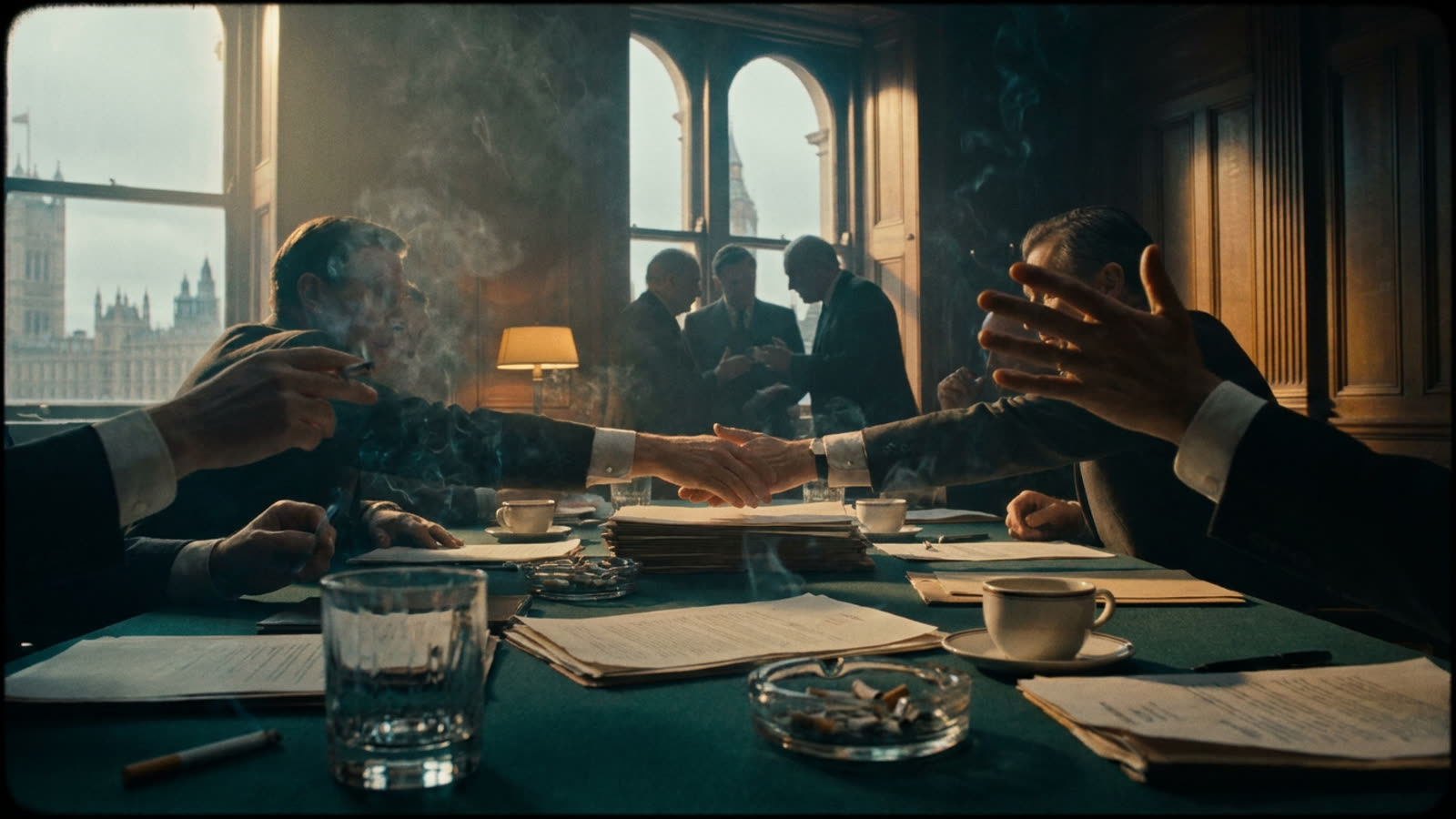
What the rules mention only glancingly is the parallel appointment of shadow rapporteurs by every other political group. These shadows do not draft the official report, but they represent their group's interests in every negotiation. A centre-right rapporteur on a digital-services file will spend more time bargaining with the socialist shadow and the liberal shadow than with anyone else. By the time the committee votes, the text is usually a consensus document reflecting compromises already struck among four or five shadows. Plenary amendments rarely succeed because the major groups have already agreed not to reopen settled points.
Why this matters for outcomes
The shadow system has several consequences that outsiders seldom appreciate. First, it front-loads compromise. Legislation emerges from committee looking moderate not because MEPs are naturally centrist but because the shadows have already traded away their maximalist demands. Environmental groups celebrating a strong climate clause may not realise that the rapporteur conceded weaker enforcement provisions to the conservative shadow in exchange.
Second, it concentrates influence in a tiny pool of specialists. A single MEP who becomes the go-to shadow on pharmaceutical regulation can shape a decade of drug-approval rules. Lobbyists understand this acutely; the most effective Brussels operations track shadow appointments the way traders track central-bank nominations.
Third, it makes accountability diffuse. Voters rarely know who their MEP's shadow rapporteurs are, and even attentive citizens struggle to trace which group demanded which amendment. The resulting opacity suits insiders—both legislative and corporate—who prefer negotiations shielded from populist pressure.
The trilogue endgame
Once the committee adopts its position, the rapporteur and key shadows enter trilogues—closed-door talks with the Council and Commission to reconcile the three institutions' texts. These meetings are not public. The shadows' leverage persists because the rapporteur needs their groups' votes to ratify any deal. A shadow who feels betrayed can recommend that her group reject the trilogue outcome, a threat that concentrates minds. The final text, if agreed, returns to plenary essentially as a fait accompli; rejecting it means starting over, which almost no one wants.
Our take
The shadow-rapporteur system is neither sinister nor accidental. It evolved to make a parliament of two dozen nationalities and seven major political families functional. But functionality has costs. The quiet efficiency of committee rooms insulates EU lawmaking from democratic theatre—and from democratic pressure. For citizens who wonder why Brussels feels remote, part of the answer lies in a job title that never appears on a ballot and rarely appears in a headline.