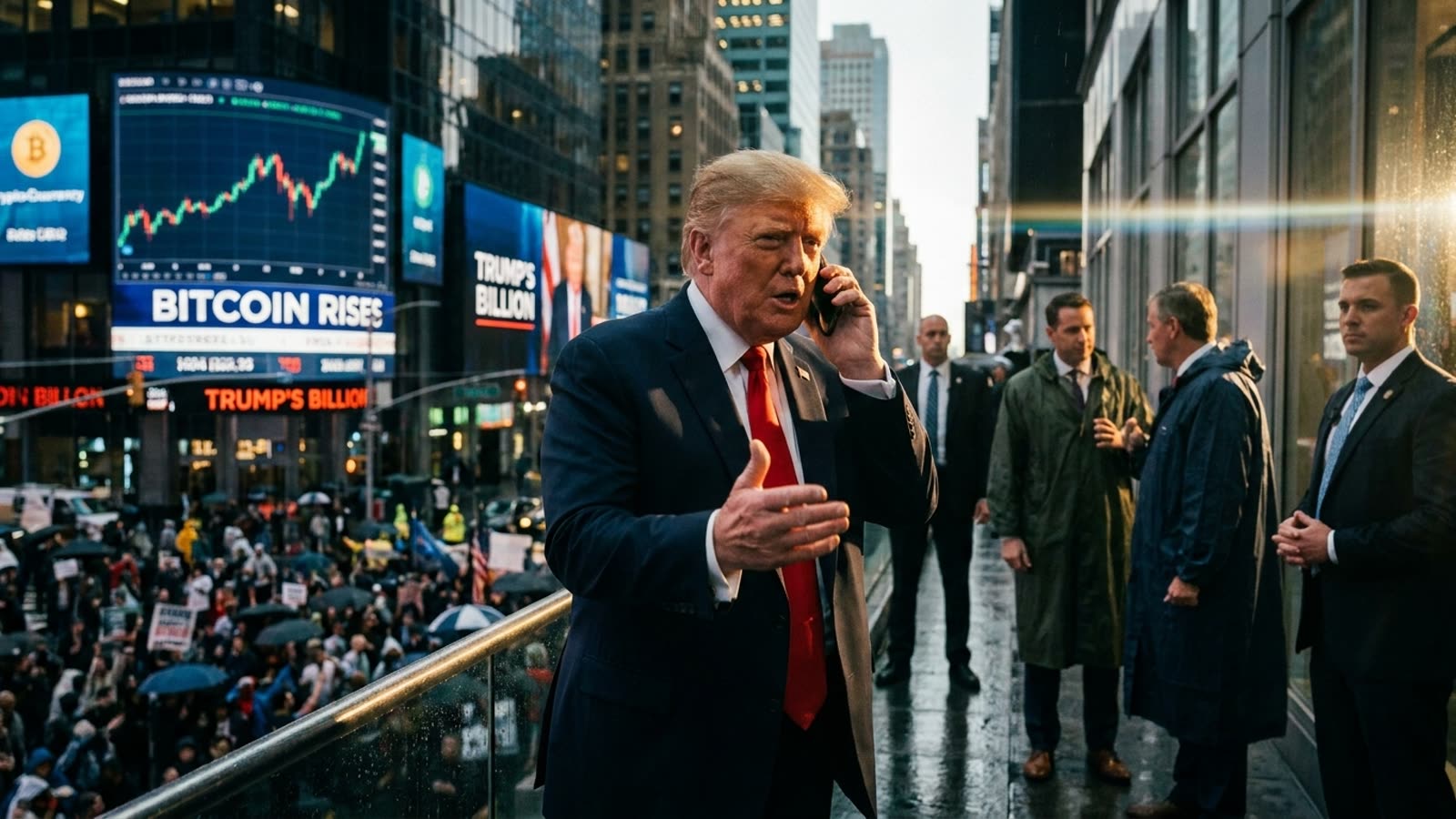
The forty-seventh president of the United States has personally earned more than one billion dollars from cryptocurrency ventures since returning to office in January 2025, according to financial disclosures and blockchain analysis reviewed by multiple news organizations. This is not a story about crypto. It is a story about what happens when the most powerful person in the world has a direct financial stake in the regulatory environment he controls.
The money comes primarily from Trump-branded meme coins, NFT collections, and equity stakes in crypto-adjacent businesses that have flourished under an administration that has systematically dismantled regulatory oversight of digital assets. The SEC has dropped enforcement actions. The CFTC has adopted a permissive stance. And the value of the president's holdings has soared accordingly.
The mechanics of presidential profit
The bulk of the earnings derive from the $TRUMP meme coin launched in early 2025, which at its peak commanded a market capitalization exceeding $14 billion. The president and his family retained a substantial allocation of tokens, which they have reportedly liquidated in tranches through intermediaries. Additional revenue streams include licensing fees from crypto exchanges using the Trump brand, NFT royalties, and appreciation in DeFi protocol stakes.
What makes this different from previous presidential wealth is the directness of the feedback loop. When Trump's SEC chair signals a lighter regulatory touch, Trump-adjacent tokens rally. When the administration announces crypto-friendly executive orders, the president's net worth increases in real time. The correlation is not subtle.
The regulatory capture problem
Every modern president has faced potential conflicts between personal wealth and policy decisions. But the structure of cryptocurrency—transparent blockchain ledgers, real-time price discovery, and extreme sensitivity to regulatory signals—makes this conflict unusually visible and unusually acute. We can watch the president get richer as his policies take effect.
The administration has argued that the president's holdings are managed at arm's length and that policy decisions are made independently of personal financial considerations. Critics note that no blind trust can truly obscure a publicly-traded token bearing one's own name.
Our take
The question is not whether this is legal—presidential ethics laws have always been more norm than statute. The question is whether a democracy can function when its leader has a billion-dollar incentive to favor one asset class over others. We are running that experiment now. The results will matter long after the tokens are worthless.