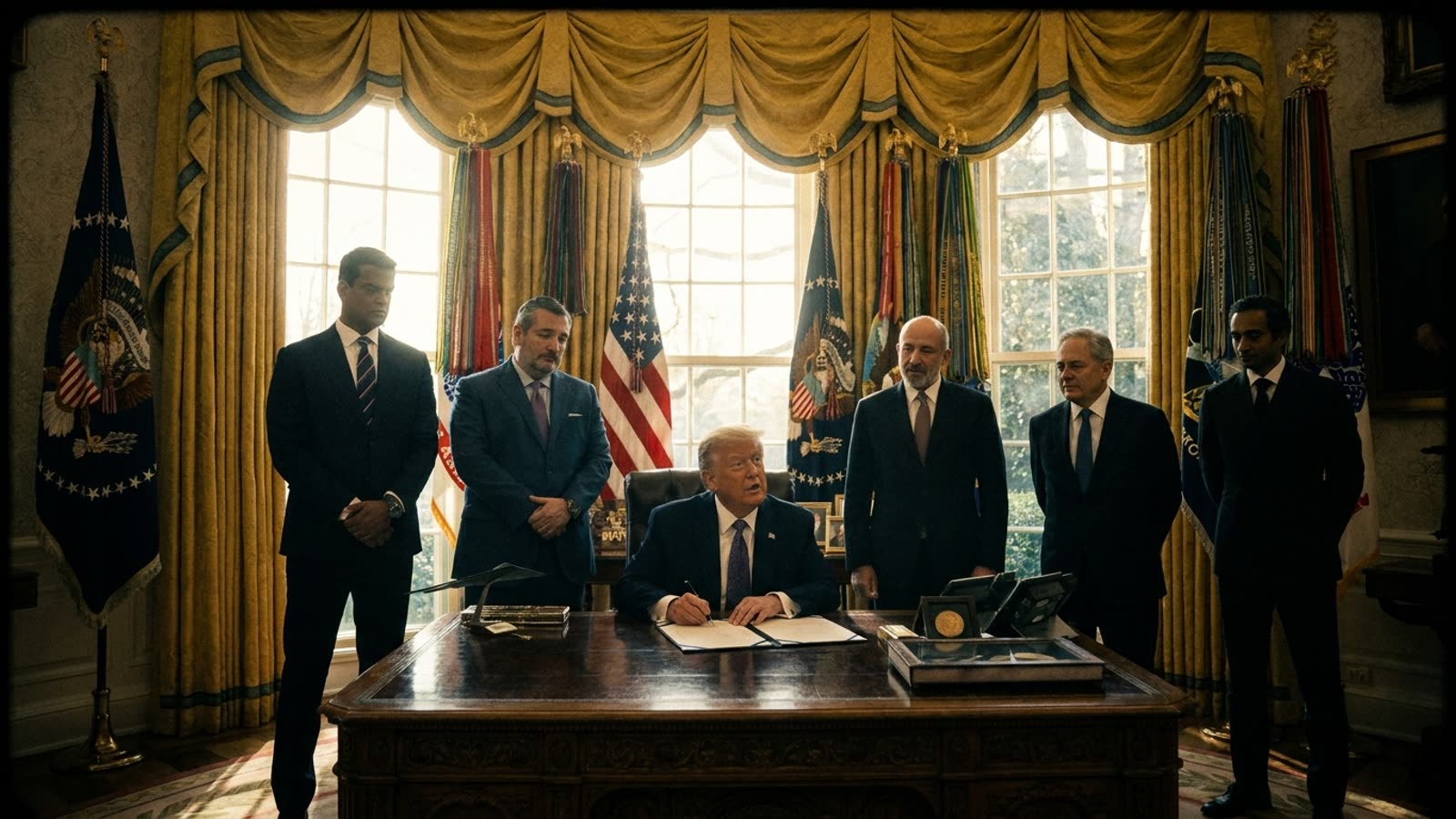
The White House has inserted itself directly into the AI development pipeline, signing an executive order that requires leading artificial intelligence companies to grant federal officials access to their most powerful models before those systems reach the public. The move transforms the relationship between Washington and Silicon Valley from regulatory oversight into something closer to operational partnership—or, depending on your vantage point, supervision.
The order, signed on June 2, targets what the administration calls "frontier" AI systems—the most capable models being developed by a handful of companies including OpenAI, Anthropic, Google DeepMind, and Meta. Under the new framework, these firms must provide the government with pre-release access to evaluate potential national security risks, dual-use capabilities, and what officials describe as "emergent behaviors" that could pose societal threats.
The mechanics of pre-release review
The executive order establishes a new interagency review process housed within the Commerce Department, with participation from the Defense Department, intelligence agencies, and the newly empowered AI Safety Institute. Companies developing models above certain computational thresholds—the specific benchmarks remain classified—must submit their systems for government evaluation before any public or commercial deployment.
The review period is capped at 90 days, though the order grants authority for extensions in cases involving "exceptional national security considerations." Companies that fail to comply face potential exclusion from federal contracts and, more ominously, the threat of export control restrictions that could limit their access to advanced semiconductors.
Silicon Valley's initial response has been carefully calibrated. Public statements from major AI labs emphasize their commitment to safety and their existing voluntary cooperation with government agencies. Private reactions, according to industry sources, range from resigned acceptance to quiet fury at what some executives view as a fundamental encroachment on commercial autonomy.
The national security rationale
Administration officials frame the order as a necessary response to the accelerating pace of AI development and the technology's potential military applications. The concern is not hypothetical: recent advances in AI-assisted code generation, protein folding, and autonomous systems have demonstrated capabilities that blur the line between civilian innovation and strategic asset.
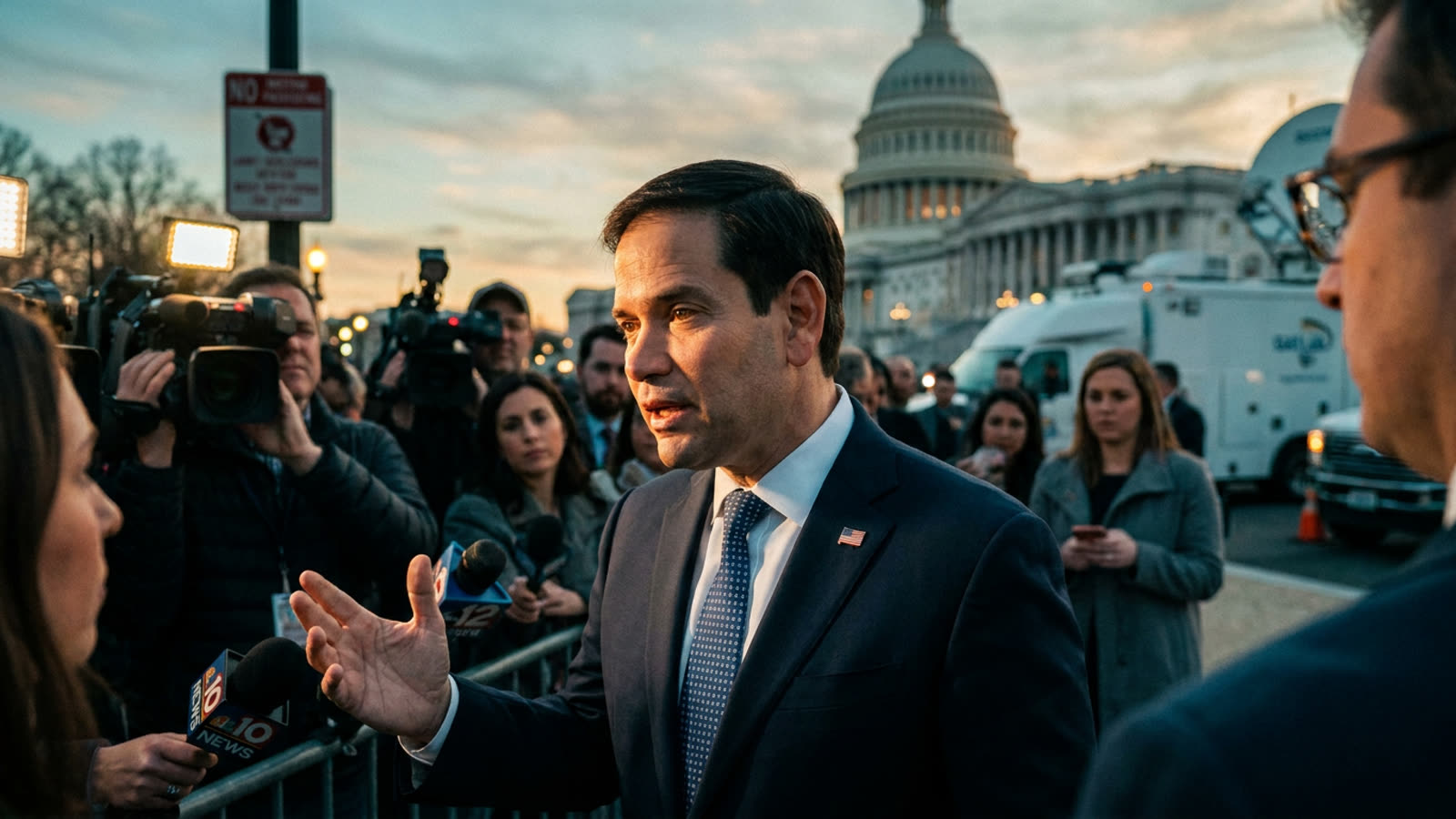
Secretary of State Marco Rubio, speaking at an unrelated press conference about Iran, declined to comment directly on the AI order but noted that "American technological leadership requires American oversight." The statement captures the administration's broader philosophy: that the era of permissionless innovation in strategic technologies has concluded.
Critics argue the order will slow American AI development precisely when competition with China demands speed. They point to the inherent tension between security review processes and the rapid iteration cycles that define frontier AI research. A 90-day delay in deployment could represent a significant competitive disadvantage in a field where capability gains compound quickly.
Our take
This is the most consequential tech policy decision since the Clinton administration chose not to regulate the early internet. The comparison cuts both ways: that hands-off approach enabled unprecedented innovation but also created the ungoverned information ecosystem we now inhabit. The Trump administration is betting that AI is different—that the potential for catastrophic misuse justifies friction in the development process. They may be right. But the execution matters enormously, and a 90-day review process designed by committee could easily become a bureaucratic chokepoint that advantages foreign competitors operating without such constraints. The order's success will depend entirely on whether the government can review at the speed of innovation. History suggests skepticism is warranted.