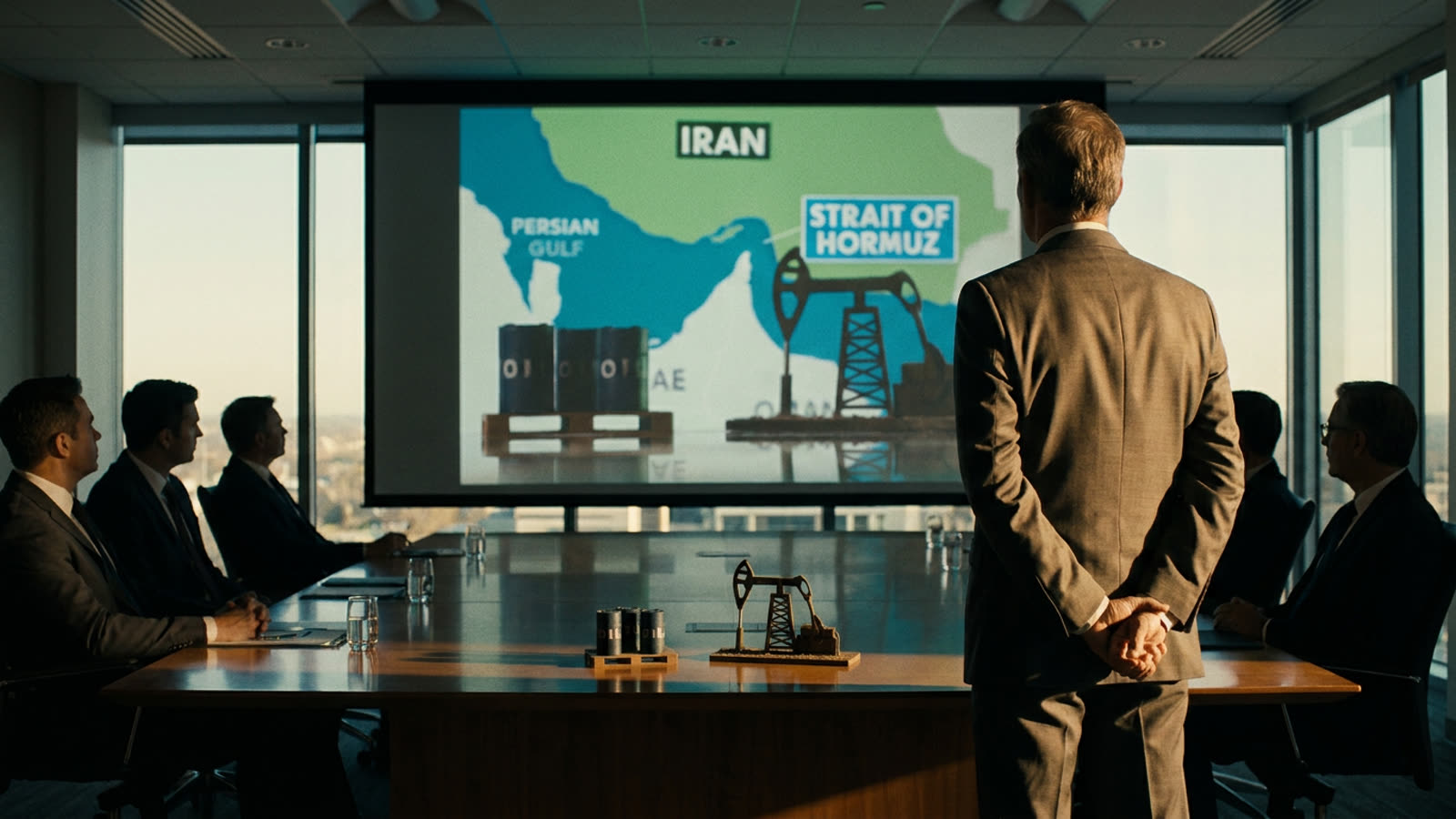
The market for tokenized equities—blockchain-based representations of real company shares—has quietly swelled to $5.5 billion in market capitalization, a figure that would have seemed fantastical even two years ago. The catalyst is not some abstract DeFi experiment but something far more concrete: ordinary investors desperate to own a piece of SpaceX before Elon Musk deigns to take it public.
WaterX, a platform operating on the Sui blockchain, sold out its first SpaceX pre-IPO allocation in under an hour this week. Bybit, the Dubai-headquartered exchange, is aggressively expanding its tokenized stock offerings to challenge traditional brokerages. These are not marginal players chasing marginal demand. They are exploiting a structural gap that Wall Street created and has refused to close: the systematic exclusion of retail investors from the most valuable private companies on Earth.
The accreditation wall cracks
For decades, American securities law has maintained a comfortable fiction: that restricting pre-IPO investments to accredited investors—those with $1 million in net worth or $200,000 in annual income—protects unsophisticated buyers from themselves. The practical effect has been to reserve the most explosive wealth-creation opportunities for those who already have wealth. SpaceX, valued north of $200 billion, has made its early backers fabulously rich while remaining inaccessible to the engineers, teachers, and small-business owners who might have believed in reusable rockets a decade ago.
Tokenization routes around this by domiciling offerings offshore, fragmenting ownership into affordable units, and settling trades on blockchains that never close. The legal status is murky, the regulatory arbitrage is obvious, and the demand is overwhelming.
Why now, why this fast
Three forces converged. First, the prolonged IPO drought of 2023-2025 left a generation of unicorns stranded in private markets, their employees and early investors desperate for liquidity. Second, blockchain infrastructure matured enough to handle real-time settlement of tokenized assets without the catastrophic failures that plagued earlier experiments. Third, exchanges like Bybit recognized that tokenized equities could differentiate them from pure-crypto competitors increasingly squeezed by regulation.
The $5.5 billion figure likely understates true demand. Many platforms operate with minimal disclosure, and secondary trading in tokenized shares occurs across fragmented venues that resist aggregation.
Our take
The SEC will eventually act, probably clumsily, and some of these platforms will face enforcement. But the underlying demand is legitimate and will not disappear. Retail investors are not wrong to resent a system that lets venture capitalists buy SpaceX at $10 billion and sell at $200 billion while locking everyone else out. Tokenization is a messy, legally dubious workaround—but it exists because the official channels failed. If traditional finance wants to reclaim this market, it will have to offer something better than condescension and closed doors.