The comfortable assumption that oil markets can absorb any Middle East shock is about to be tested. A senior oil executive has gone public with warnings that the escalating Israel-Iran conflict could expose dangerous vulnerabilities in global petroleum reserves—a message that cuts through the usual industry optimism with uncomfortable precision.
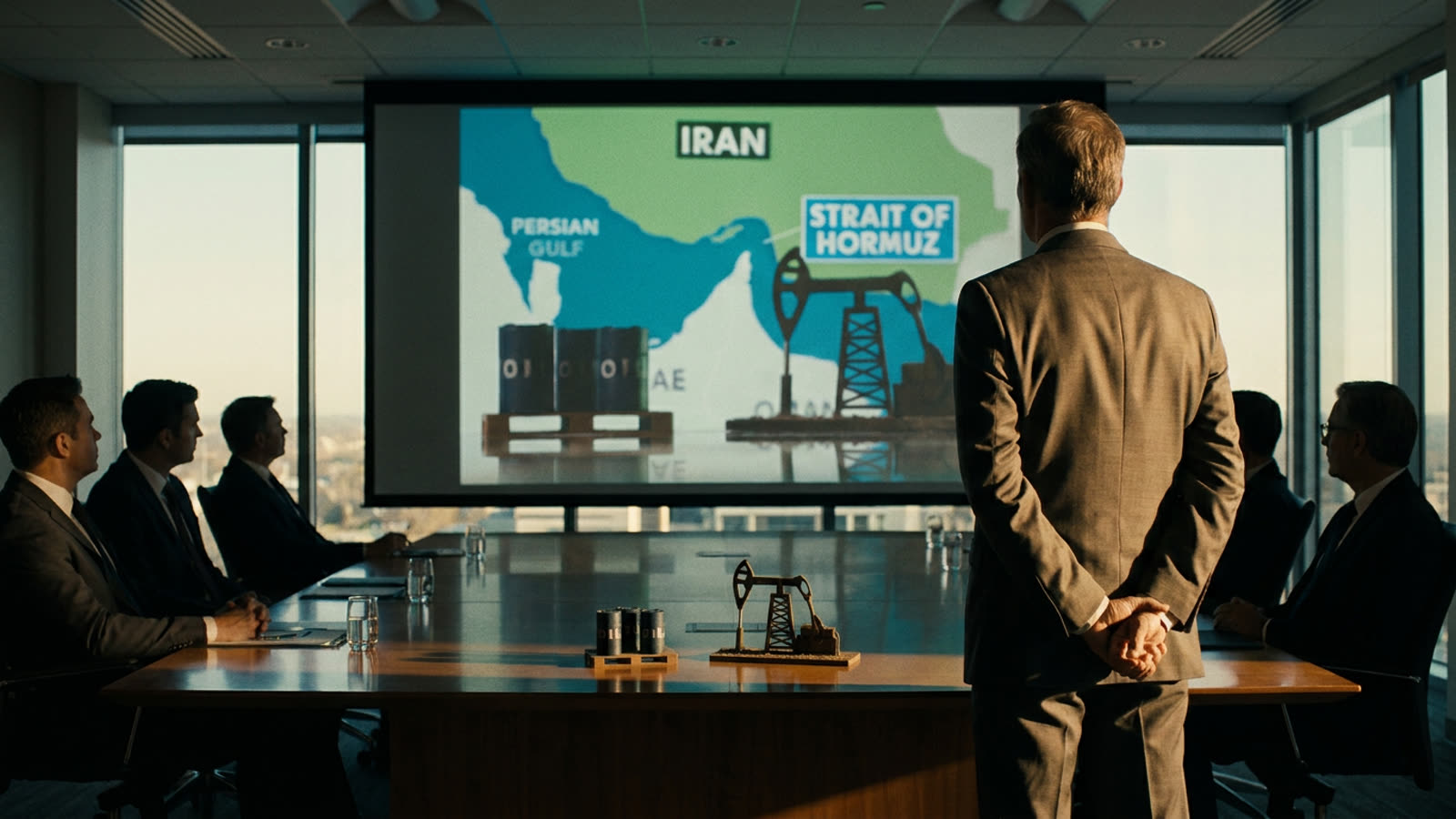
The timing is not coincidental. With direct military exchanges between Israel and Iran now a reality rather than a hypothetical, the Strait of Hormuz—through which roughly 20% of the world's oil passes daily—has become the most consequential chokepoint in global commerce. Insurance premiums for tankers transiting the strait have already spiked, and shipping companies are quietly rerouting vessels around the Cape of Good Hope, adding weeks and significant cost to deliveries.
The reserve problem nobody wants to discuss
Strategic petroleum reserves exist precisely for moments like this. The U.S. Strategic Petroleum Reserve, once holding over 700 million barrels, has been drawn down significantly over the past several years through emergency releases and political decisions. Current levels sit closer to 370 million barrels—the lowest since the early 1980s. European reserves, while technically meeting IEA requirements, are dispersed across member states with varying degrees of accessibility and political will to deploy them.
The executive's warning centers on a simple calculation: if Hormuz traffic is disrupted for even two weeks, existing reserves and alternative supply routes cannot fully compensate. Saudi Arabia's east-west pipeline has limited spare capacity. UAE's Fujairah terminal bypasses the strait but cannot handle the volume. The math does not work, and the industry knows it.
Why markets remain strangely calm
Brent crude has risen, but not dramatically—hovering in ranges that suggest traders are pricing in contained skirmishes rather than sustained conflict. This complacency has historical precedent; markets consistently underestimated Gulf War disruptions until they materialized. The current bet appears to be that neither Israel nor Iran wants a full-scale war that would devastate both economies.
That bet may be correct. But it ignores the escalation dynamics already in motion. Each direct strike invites retaliation. Each retaliation narrows the off-ramps. The executive's point is not that war is inevitable—it's that the margin for error has shrunk to nearly nothing, and global energy infrastructure is not positioned for a worst-case scenario.
Our take
Energy executives rarely go on record with warnings this stark unless they genuinely believe the risks are being mispriced. The combination of depleted reserves, concentrated shipping routes, and active military conflict creates a fragility that markets have not fully internalized. Whether this translates into a supply crisis depends on decisions made in Tehran, Jerusalem, and Washington over the coming weeks. But the executive is right about one thing: the alarm bells should be louder than they are.