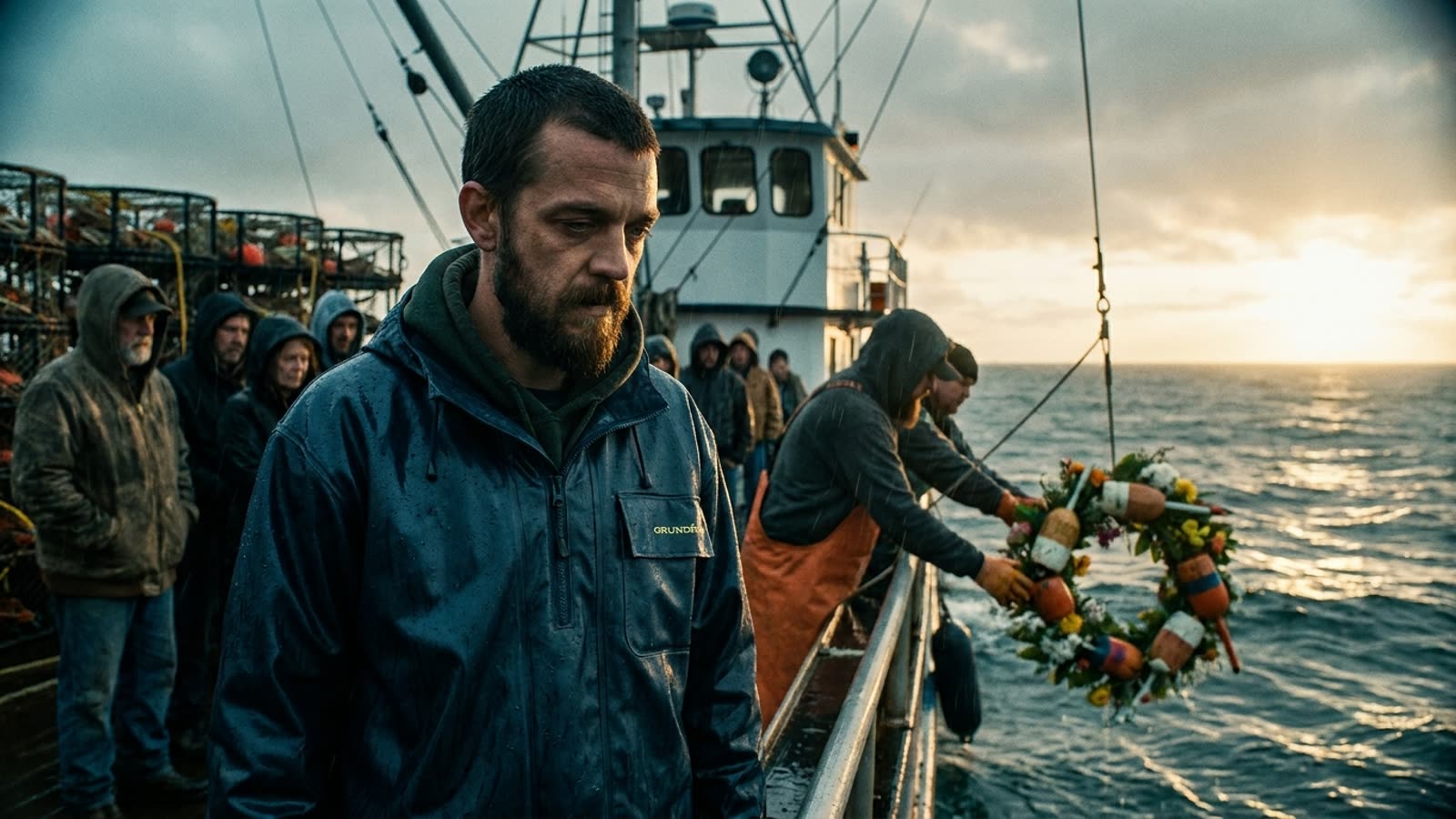
The Discovery Channel franchise that turned Bering Sea crab fishing into appointment television has claimed another of its own. Todd Meadows, captain of the F/V Kiska Sea and a fixture of Deadliest Catch since its early seasons, has died at 49. The cause has not been disclosed, but the pattern is now impossible to ignore: the show that made fortunes dramatizing one of America's most lethal professions has become a case study in what happens when cameras follow people into genuinely hazardous work.
The toll
Meadows joins a roster of Deadliest Catch alumni who died before reaching old age. Phil Harris, the chain-smoking captain whose heart attack was broadcast in 2010, became the franchise's most famous casualty. Since then, the list has grown steadily: deckhands, captains, family members of cast. Some deaths occurred on the water, others on land, but the cumulative effect is a show whose reunion specials increasingly double as memorials.
The Bering Sea crab fleet was always deadly—that was the premise, the hook, the reason viewers tuned in. What the show perhaps underestimated was how the pressures of production might compound the pressures of the job itself. Longer seasons, more dramatic confrontations, the financial incentive to keep fishing when prudence might counsel otherwise.
The economics of peril
Reality television has always traded in risk, but most of that risk is social: humiliation, heartbreak, the exposure of private dysfunction. Deadliest Catch belongs to a smaller genre—alongside logging shows, mining shows, the various iterations of Ice Road Truckers—where the danger is physical and the potential for tragedy is baked into the format.
The arrangement benefits everyone, until it doesn't. Networks get compelling footage. Fishermen get supplemental income and minor fame. Audiences get the vicarious thrill of watching men battle nature from the safety of their sofas. The question nobody wants to answer: does the presence of cameras change the calculus of risk? Does the knowledge that millions are watching make a captain push through weather he might otherwise avoid?
Our take
Todd Meadows spent decades doing work that most Americans would never consider, in conditions that would break most people who tried. He deserves to be remembered for that, not merely as another data point in a franchise's mortality statistics. But Deadliest Catch has now been on the air for over two decades, long enough that its human cost can be measured. The show didn't create the dangers of commercial fishing, but it has profited from them handsomely. At some point, that profit comes with an obligation to reckon honestly with what it costs.