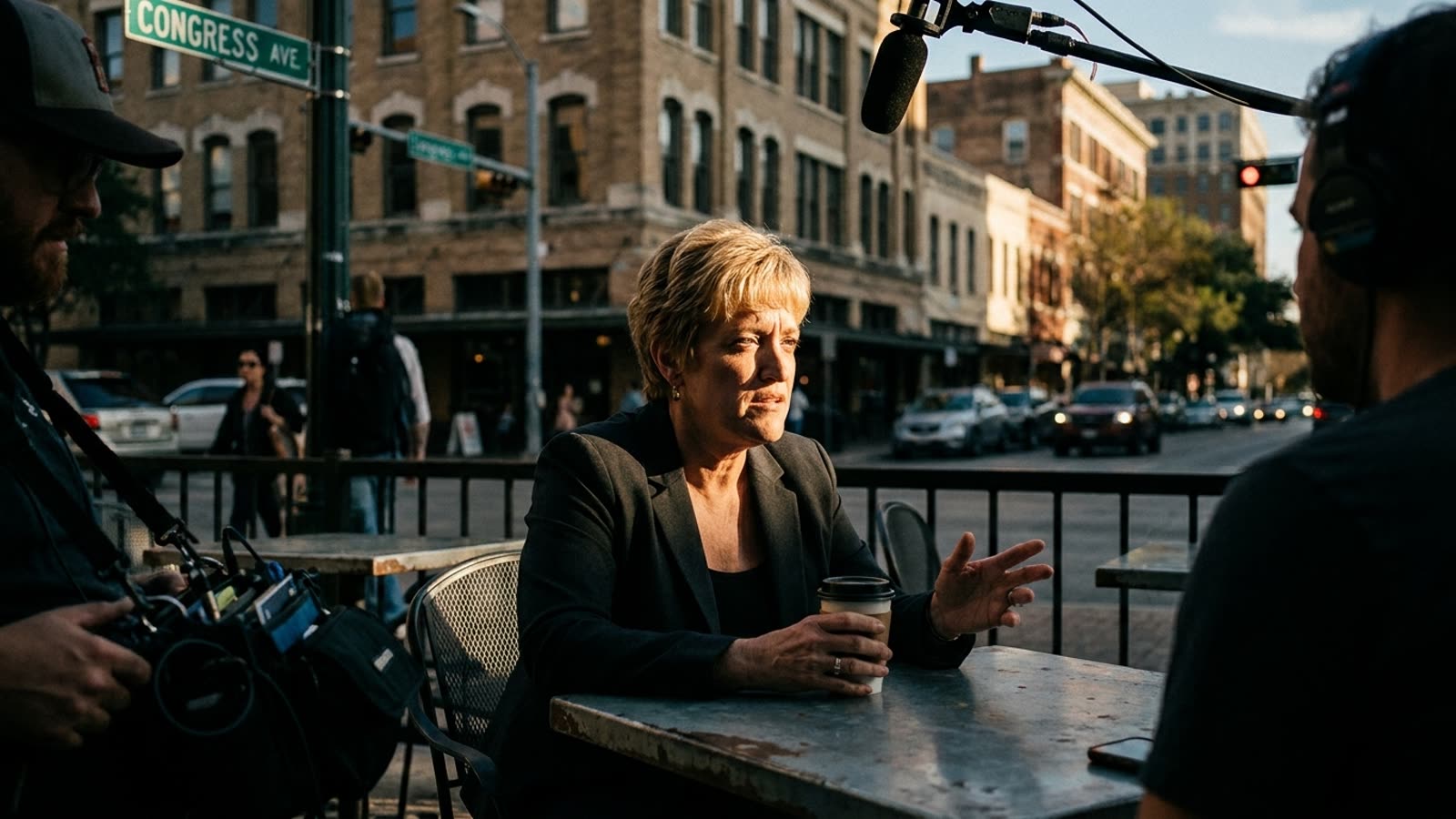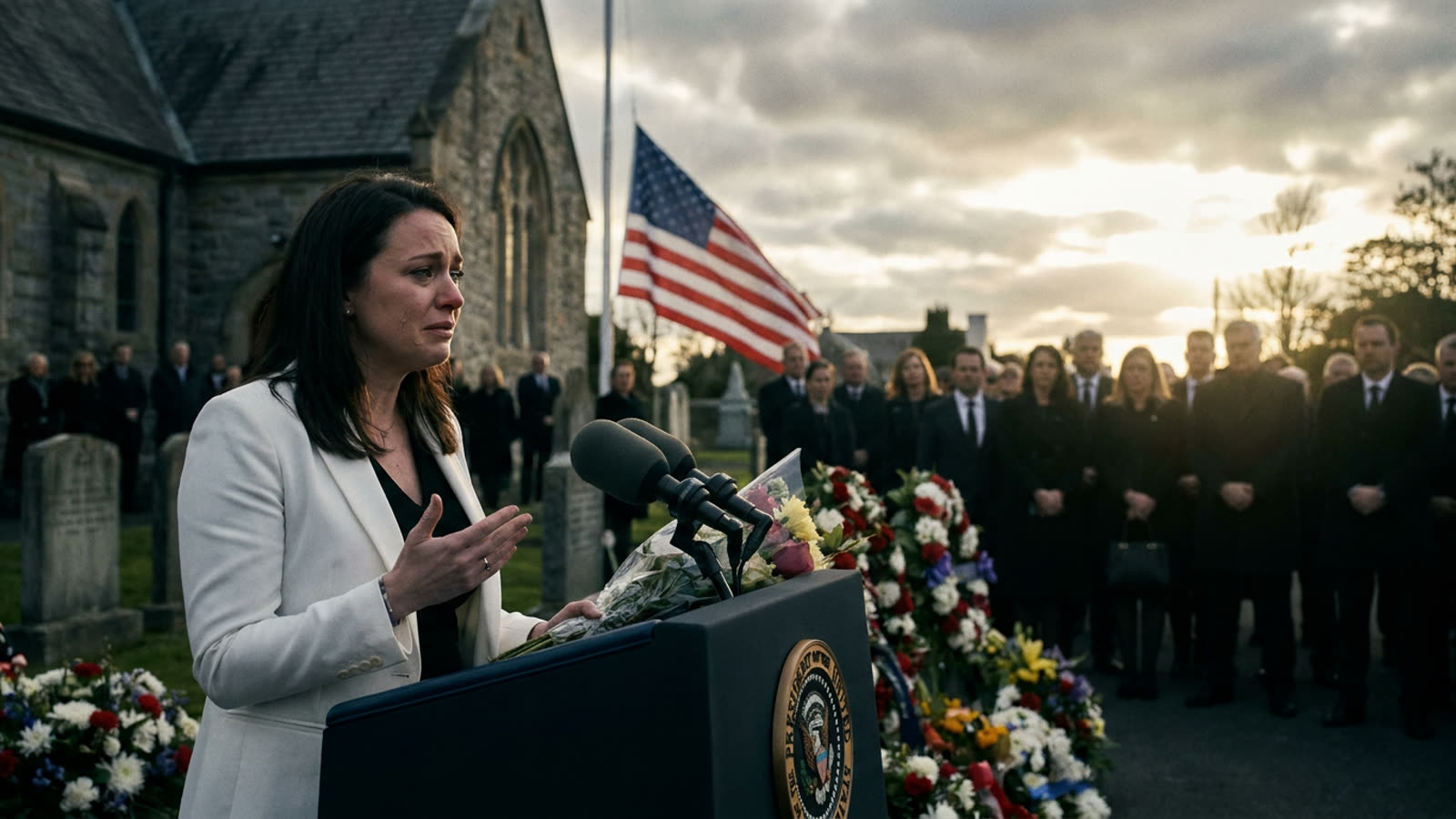
When Charlie Kirk died unexpectedly earlier this year, the conservative media ecosystem lost one of its most prominent young voices. His widow, Erika Kirk, inherited something nobody asks for: the obligation to mourn publicly while strangers scrutinize her every move.
This week, Erika Kirk took to social media to forcefully deny rumors that she had already moved on to a new relationship. The speculation, which apparently originated from misinterpreted social media activity and secondhand gossip, prompted a response that was equal parts exasperated and wounded. She called the rumor baseless and hurtful—the kind of statement no grieving spouse should have to make.
The parasocial grief economy
The phenomenon is not new, but it has metastasized. When a public figure dies, their family members become unwilling participants in a collective mourning ritual they never signed up for. Every Instagram post is analyzed for signs of insufficient sadness or suspicious resilience. Take too long to appear publicly, and you're hiding something. Appear too soon, and you're callous. Smile in a photograph, and you've moved on too quickly. The widow's timeline is no longer her own.
Erika Kirk's situation is complicated by her husband's polarizing profile. Charlie Kirk built Turning Point USA into a conservative youth juggernaut, which means his widow's grief is being processed through partisan lenses. Some commenters seem almost eager to catch her in perceived hypocrisy; others rush to her defense with equal fervor. Neither camp appears particularly interested in her actual wellbeing.
The Jackie Kennedy standard
American culture has always been peculiar about widows. Jackie Kennedy was criticized for remarrying Aristotle Onassis less than five years after her husband's assassination—a timeline that would strike most people as entirely reasonable. Courtney Love faced decades of conspiracy theories and character assassination after Kurt Cobain's death. The pattern is consistent: women who lose famous husbands are expected to perform grief indefinitely while simultaneously remaining frozen in time.
The digital age has only intensified this dynamic. Where once a widow might retreat from public life for a socially acceptable mourning period, today's bereaved spouses face the impossible choice between maintaining their social media presence (and inviting scrutiny) or going dark (and inviting speculation about what they're hiding).
Our take
Erika Kirk owes the public precisely nothing. Her husband chose a life in the spotlight; she chose to support him. That implicit bargain did not include surrendering her right to grieve on her own terms, date when she's ready, or simply exist without defending herself against anonymous rumor-mongers. The speed with which strangers felt entitled to opinions about her romantic life—weeks after burying her husband—says something unflattering about our collective inability to distinguish between public figures and public property. She's a widow, not a character in a reality show. The decent thing is to look away.