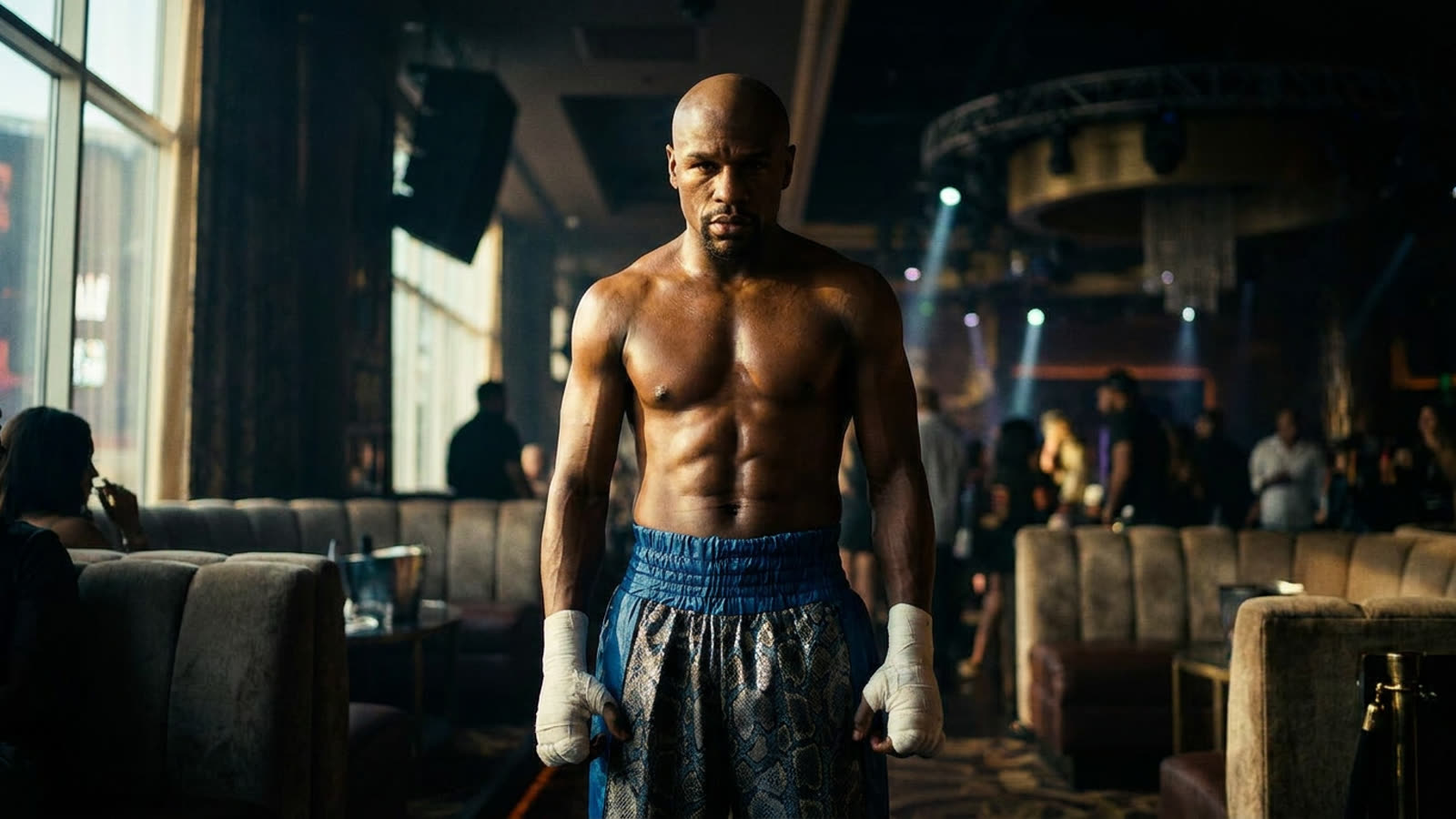
There was a time when tabloid journalism required actual journalism — sources cultivated at restaurant back doors, paparazzi stationed outside divorce attorneys' offices, the patient assembly of narratives that revealed something, however prurient, about fame's costs. That era is now definitively over. TMZ's current homepage features a segment called "Cheek Of The Week — Guess The Workout Booty!" in which readers are invited to identify a celebrity based solely on a photograph of their posterior.
The exclamation point tells you everything about the editorial confidence behind this enterprise.
The content treadmill's terminal velocity
TMZ built its empire on speed — being first to Michael Jackson's death, first to Mel Gibson's meltdown, first to every celebrity DUI and custody dispute that defined 2000s gossip culture. The model required an ever-accelerating metabolism of scandal, and scandal, it turns out, is a finite resource. When you've exhausted the supply of genuine news, you don't shut down the content machine; you simply lower the threshold of what constitutes content.
Hence: buttocks identification as editorial programming. The segment exists not because anyone demanded it but because the homepage needs filling and celebrity bodies are, at minimum, photographable. It represents the logical endpoint of engagement-driven media — content stripped of information, context, or purpose, existing purely to generate the click that generates the impression that generates the fraction of a cent.
The audience as accomplice
What makes "Cheek Of The Week" notable isn't its vulgarity — vulgarity has been tabloid media's stock-in-trade since long before Harvey Levin launched TMZ from a corner of the AOL offices. It's the participatory structure. Readers aren't consuming gossip; they're being asked to demonstrate expertise in celebrity anatomy, to prove their fandom through physiological recognition. The quiz format transforms passive consumption into active complicity.
This is celebrity culture's final form: not the worship of talent or even beauty, but the cataloguing of body parts as collectible knowledge. The celebrity becomes a fragmented inventory — this person's abs, that person's glutes — rather than a coherent figure about whom one might have opinions.
Our take
We are not clutching pearls. Tabloid media has always traded in bodies, and pretending otherwise would be ahistorical. But there's a difference between exploitation that produces narrative and exploitation that produces nothing at all. TMZ's buttocks quiz isn't scandalous; it's boring — the creative exhaustion of an industry that has strip-mined celebrity culture so thoroughly that only the literal anatomy remains. The tragedy isn't moral. It's aesthetic. They used to be good at this.