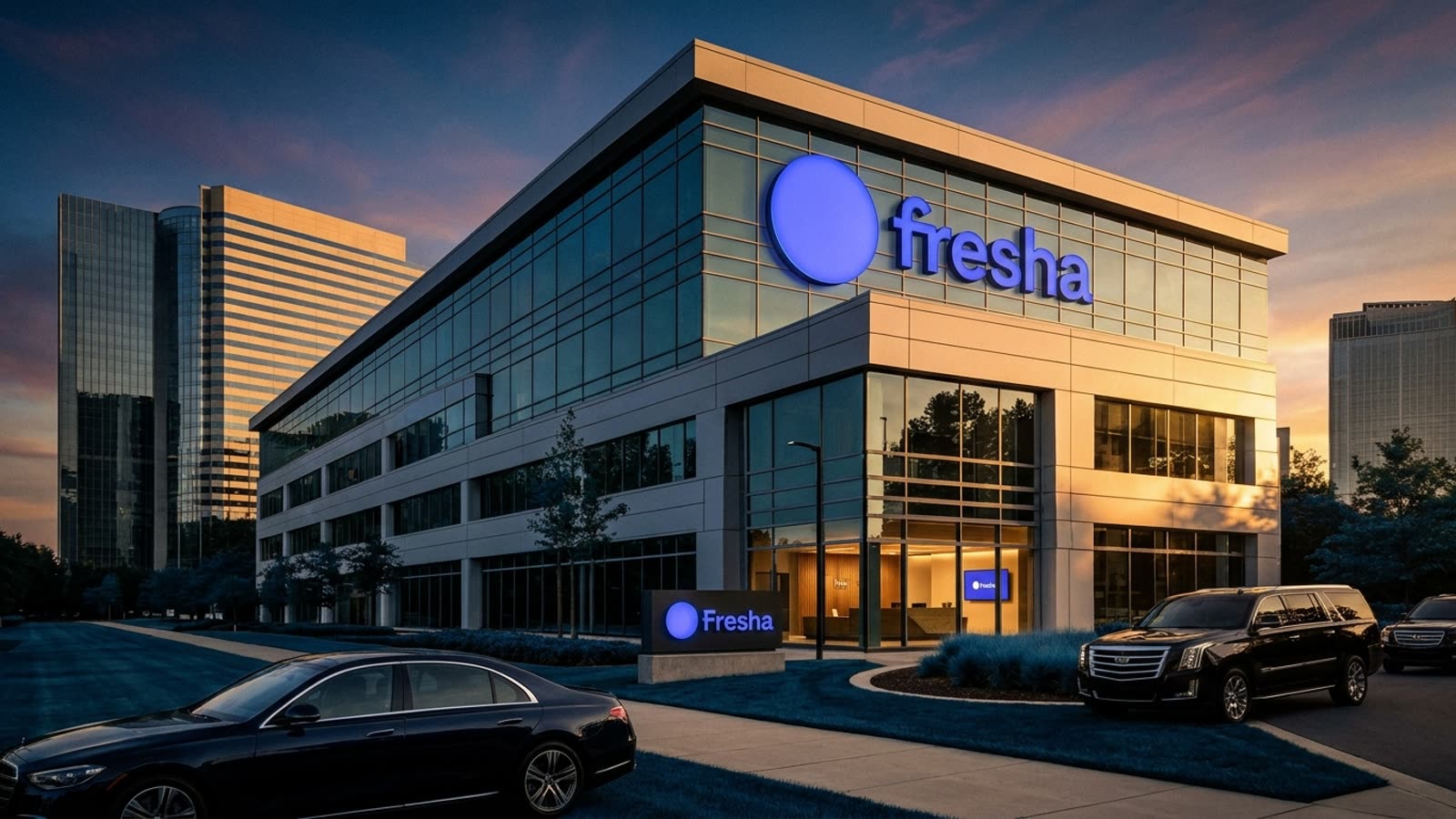
For decades, the beauty salon industry has operated like it's still 1985: paper appointment books, phone tag with receptionists, and the occasional no-show that craters a stylist's afternoon. Fresha, a London-based booking platform, just convinced KKR that this anachronism is worth a billion dollars.
The valuation, achieved through a fresh funding round with the private equity giant, makes Fresha the first pure-play salon booking software to reach unicorn status. It's a milestone that says less about one company's growth metrics and more about where smart money sees the next wave of consumer tech heading: not into another food delivery clone, but into the overlooked service economies where software hasn't yet eaten the world.
The Uber playbook, applied to blowouts
Fresha's pitch is seductively simple. The platform offers free booking software to salons and spas—no subscription fees, no setup costs—and monetizes through payment processing and optional premium features. It's the razor-and-blade model, except the razor is genuinely free and the blades are credit card swipes. The company claims over 100,000 partner venues across 120 countries, processing billions in annual transactions.
What makes this interesting isn't the software itself, which competitors like Vagaro and Booksy also offer. It's the timing. Post-pandemic, consumers have grown allergic to phone calls and accustomed to booking everything from doctor's appointments to dinner reservations through apps. Salons that resisted digitization found themselves losing clients to competitors with online booking. Fresha positioned itself as the path of least resistance.
Why KKR cares about your manicure
Private equity's interest in beauty services isn't new—firms have been rolling up med-spas and dental practices for years. But KKR's bet on Fresha suggests a different thesis: that the real value isn't in owning salons but in owning the infrastructure that connects them to clients. It's the AWS model applied to aesthetics.
The beauty and wellness market is enormous and stubbornly fragmented. Most salons are independent or small chains, lacking the resources to build sophisticated booking systems or loyalty programs. A platform that aggregates them gains leverage over both supply and demand. If Fresha can become the default operating system for salons the way Toast became essential for restaurants, it could extract fees from an industry worth hundreds of billions globally.
Our take
Fresha's unicorn moment is less a triumph of innovation than a reminder of how much low-hanging fruit remains in unsexy industries. The beauty sector resisted technology not because the problems were hard but because the margins seemed too thin to attract serious capital. KKR's billion-dollar bet suggests that perception has shifted. Whether Fresha can defend its position against deep-pocketed competitors—or whether it becomes another cautionary tale of growth-stage hubris—will depend on execution. But for now, the salon industry has officially entered the platform era. Your colorist may not know it yet, but she's part of a unicorn's ecosystem.