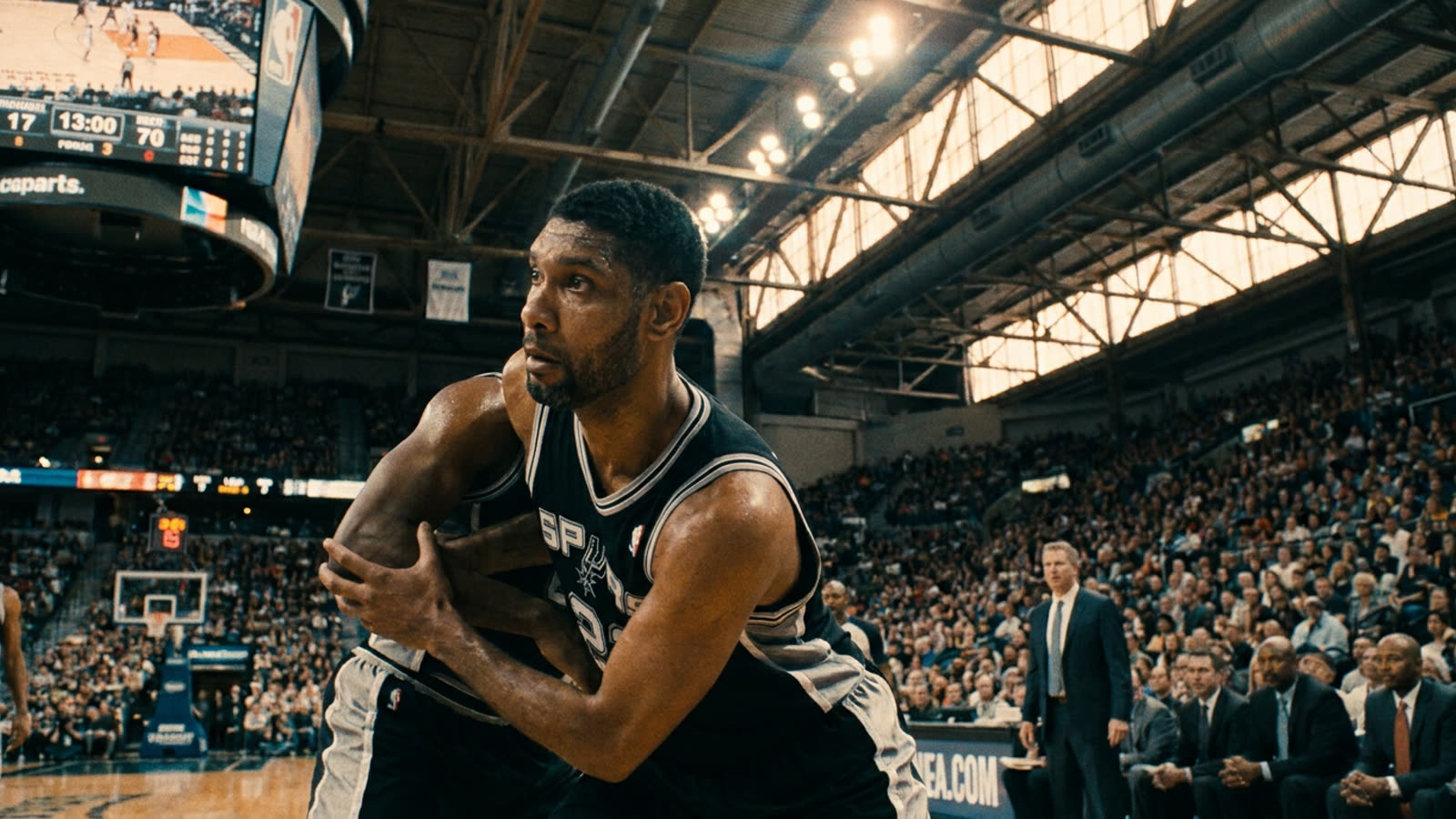
The greatest power forward in NBA history spent two decades making excellence look tedious. Tim Duncan won five championships, collected two MVP awards, and anchored the most consistently successful franchise of his generation while generating roughly the same media excitement as a well-maintained HVAC system. This was not a failure of marketing. It was the point.
Duncan arrived in San Antonio in 1997 as the consensus first overall pick, a psychology major from Wake Forest who had stayed all four years because he promised his dying mother he would graduate. He left in 2016 having never demanded a trade, never orchestrated a public feud with management, never appeared in a single headline for anything other than basketball. In the attention economy of modern professional sports, this represented either a catastrophic missed opportunity or the most sophisticated brand strategy imaginable.
The fundamentals as philosophy
Watch Duncan's bank shot and you see something almost offensive in its simplicity. The same spot on the glass, the same soft touch, the same result, possession after possession, year after year. He mastered the most unfashionable shot in basketball and rode it to the Hall of Fame. His footwork in the post belonged in an instructional video from the 1970s. His defensive positioning anticipated passes before the passer knew where they were going.
This was basketball as craft rather than spectacle, and it drove a certain kind of fan absolutely mad. Where was the emotion? The trash talk? The signature celebration? Duncan's idea of exuberance was a slightly widened eye. His trash talk reportedly consisted of laughing quietly when opponents missed shots. He once received a technical foul for smiling on the bench, which remains the most Tim Duncan thing that has ever happened.
The dynasty nobody noticed
San Antonio won championships in 1999, 2003, 2005, 2007, and 2014. They made the playoffs for nineteen consecutive seasons with Duncan on the roster. They did this in the smallest market in major American professional sports, with a star who refused to perform stardom, in an era when the Lakers, Heat, and Celtics staged their dramas in the spotlight.
The 2014 championship stands as Duncan's masterpiece, though he was no longer the team's best player. At thirty-eight, he anchored a defensive system that dismantled the Miami Heat's superteam with such surgical precision that LeBron James looked mortal. The Spurs won the clinching game by twenty-one points, moving the ball with a beauty that bordered on cruel. Duncan finished with a quiet fifteen points and pulled down ten rebounds, because of course he did.
Our take
Duncan's career poses an uncomfortable question for sports culture: what if the most effective path to greatness is also the most boring one? His legacy suggests that consistency, humility, and mastery of fundamentals will always be undervalued relative to their actual worth. The market prefers drama. Duncan preferred winning. He retired without fanfare, held no press conference, and issued a statement through the team. Even his goodbye was a bank shot off the glass—simple, efficient, and impossible to argue with.