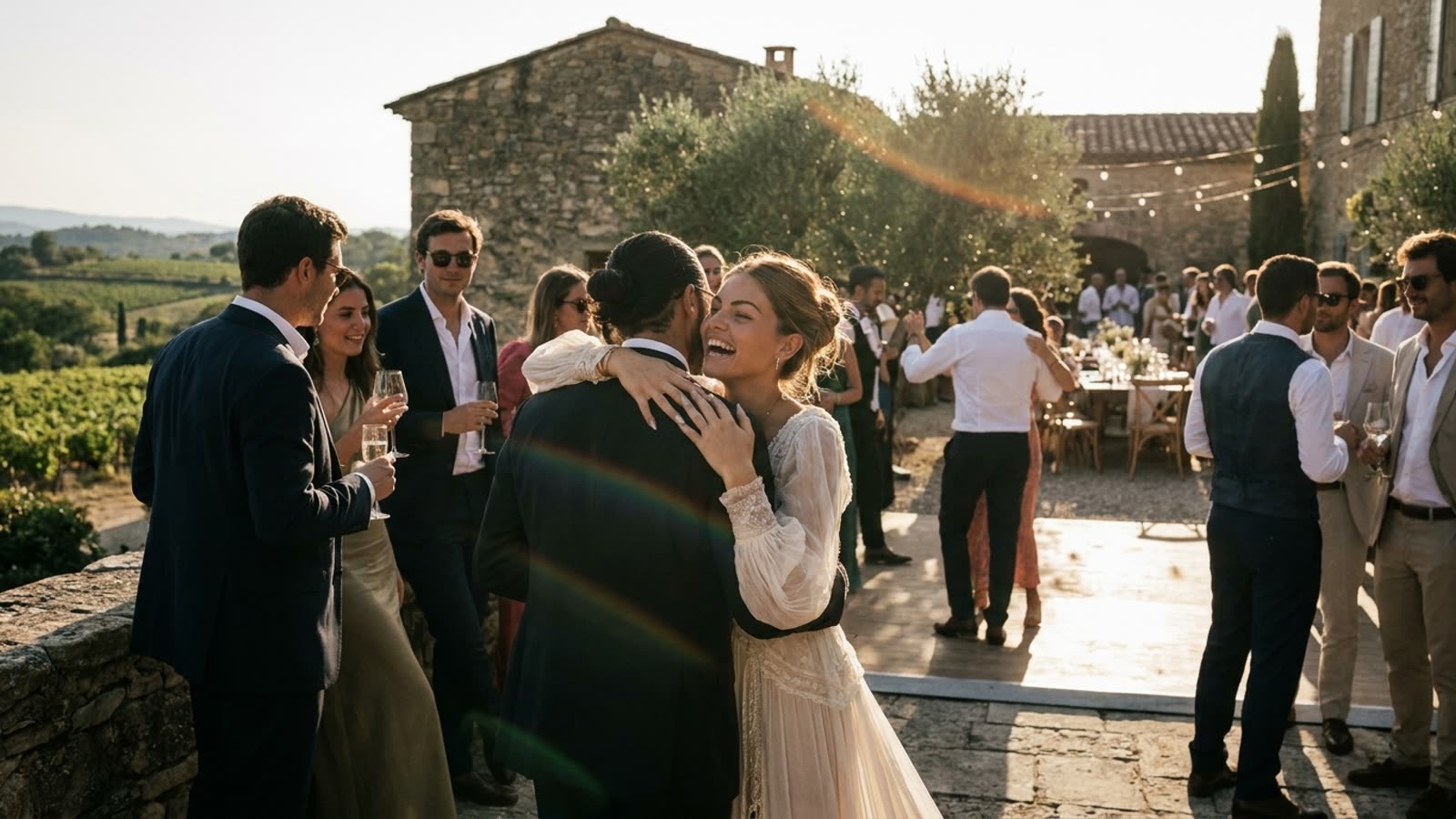
Thylane Blondeau was ten years old when a 2011 Vogue Paris editorial turned her into a cultural flashpoint. Photographed in heavy makeup, heels, and a gold lamé dress while reclining on animal-print pillows, she became the unwitting face of a furious debate about fashion's treatment of children. Fifteen years later, at twenty-five, she married her longtime partner in a ceremony on the French Riviera this weekend — a quiet coda to one of the stranger fame trajectories of the Instagram era.
The wedding, by all accounts intimate and family-focused, stands in sharp contrast to the spectacle that once surrounded her. Blondeau has spent most of her adult life navigating the peculiar purgatory of being famous for something that happened to her, not something she did.
The weight of a superlative
The moniker "most beautiful girl in the world" was never hers to claim or refuse. It was bestowed by tabloids and viral lists when she was six, based on a 2007 Jean Paul Gaultier runway appearance. By the time she was old enough to have opinions about it, the phrase had already calcified into her Google results.
Unlike many child models who fade from public memory, Blondeau remained visible — partly because her mother, French actress Véronika Loubry, kept her in the industry, and partly because the internet never forgets a face it once deemed exceptional. She walked for Dolce & Gabbana at sixteen, launched a clothing line called Heaven May, and accumulated millions of Instagram followers who watched her transition from controversy to commerce.
The industry that made her
The 2011 Vogue Paris shoot that made Blondeau infamous was styled by Carine Roitfeld, then the magazine's editor-in-chief. Roitfeld defended the images as "art" while critics called them exploitative. The controversy accelerated broader conversations about age-appropriate imagery in fashion — conversations that have continued, with varying degrees of sincerity, ever since.
Fashion has always had a complicated relationship with youth. The industry that once put Blondeau in lipstick and loungewear now employs her as an adult brand ambassador for L'Oréal and Cacharel. Whether this represents redemption, complicity, or simply the passage of time depends on whom you ask.
Our take
There is something almost defiant about Blondeau's quiet wedding — a refusal to let her adult milestones be consumed by the same machinery that commodified her childhood. She did not sell the photos to a glossy magazine or livestream the vows. She simply got married, like millions of twenty-five-year-olds do every year, except with the weight of a decade-old discourse trailing behind her. The "most beautiful girl in the world" label was always more about us — our anxieties about beauty, youth, and what we allow children to become — than it was about her. That she emerged from it with a seemingly functional life is less a testament to the industry that raised her than to whatever private resilience kept her intact despite it.